Why Regular Health Checkups Are Important for Every Family In today’s fast-paced world, maintaining good health has become more challenging than ever. Busy schedules, unhealthy eating habits, stress, lack of physical activity, and increasing exposure to environmental pollutants can significantly impact overall well-being. Many serious health conditions develop gradually and often remain unnoticed until they reach an advanced stage. This is why understanding Why Regular Health Checkups Are Important for Every Family is essential for maintaining long-term health and preventing serious medical complications. Regular health checkups are one of the most effective ways to monitor your health, identify potential risk factors, and detect diseases at an early stage. Whether it is a child, an adult, or a senior citizen, every family member can benefit from routine health screening and preventive healthcare. Early diagnosis not only improves treatment outcomes but also reduces healthcare expenses and enhances overall quality of life. At BN Diagnostic Centre, a trusted Diagnostic Centre in Jaipur, we strongly believe that preventive healthcare is the foundation of a healthier future. Through comprehensive health screening and advanced diagnostic testing, families can stay informed about their health and take proactive steps toward disease prevention and wellness. What Are Regular Health Checkups? Regular health checkups are routine medical examinations and diagnostic tests performed to evaluate a person’s overall health status. These checkups help healthcare professionals identify potential health concerns before symptoms become severe or noticeable. A typical family health checkup may include: Complete Blood Count (CBC) Blood Sugar Testing Lipid Profile Thyroid Profile Liver Function Test (LFT) Kidney Function Test (RFT) Vitamin D Testing Vitamin B12 Testing Urine Examination Blood Pressure Monitoring These tests provide valuable insights into various aspects of health and help doctors assess the functioning of important organs and body systems. Why Regular Health Checkups Are Important for Every Family Early Disease Detection One of the biggest advantages of regular health checkups is early disease detection. Many serious health conditions develop silently and may not show symptoms during their initial stages. Regular health screening can help detect: Diabetes High Blood Pressure Thyroid Disorders Heart Disease Liver Disorders Kidney Disease Vitamin Deficiencies High Cholesterol Anemia Detecting these conditions early allows doctors to begin treatment promptly and prevent complications from developing. Better Treatment Outcomes When diseases are diagnosed at an early stage, treatment is usually more effective and less complicated. Patients often experience faster recovery, lower treatment costs, and improved long-term health outcomes. Preventive Healthcare Benefits Preventive healthcare focuses on stopping diseases before they occur. Through regular health checkups, individuals can identify risk factors and make lifestyle changes that support long-term wellness. Examples include: Improving diet Increasing physical activity Managing stress Controlling blood sugar levels Monitoring cholesterol levels The Importance of Family Health Checkups A family health checkup is not just for individuals who are already experiencing symptoms. It is an essential healthcare practice for every family member. For Children Regular health checkups help monitor: Growth and development Nutritional status Immunity levels Early signs of health issues Children who receive regular health screenings are more likely to maintain healthy growth and development. For Adults Adults often face health risks related to: Stress Sedentary lifestyles Poor dietary habits Obesity Diabetes Hypertension Routine health screening helps identify these issues before they become severe. For Senior Citizens Older adults require more frequent health monitoring due to increased risks of: Heart disease Diabetes Osteoporosis Kidney disease Vitamin deficiencies Regular health checkups help improve quality of life and support healthy aging. Essential Health Checkup Tests Every Family Should Consider Complete Blood Count (CBC) A CBC Test evaluates red blood cells, white blood cells, hemoglobin, and platelets. It helps detect infections, anemia, and blood disorders. Blood Sugar Test Blood Sugar Testing is essential for identifying diabetes and monitoring glucose levels. Lipid Profile Test A Lipid Profile measures cholesterol and triglycerides, helping assess cardiovascular health. Thyroid Profile Test This test evaluates thyroid hormone levels and helps detect thyroid disorders. Liver Function Test (LFT) LFT assesses liver health and identifies liver-related conditions. Kidney Function Test (RFT) RFT helps evaluate kidney performance and detect renal disorders. Vitamin D & Vitamin B12 Tests These tests identify nutritional deficiencies that may affect immunity, energy levels, and bone health. How Regular Health Checkups Improve Quality of Life Better Physical Health Routine health monitoring allows individuals to maintain optimal health by detecting and addressing issues early. Improved Mental Well-Being Knowing your health status can reduce anxiety and provide peace of mind. Regular testing helps individuals feel more confident about their health. Increased Productivity Healthy individuals are generally more energetic, productive, and capable of managing daily responsibilities effectively. Longer Life Expectancy Preventive healthcare and early disease detection can contribute significantly to a longer and healthier life. Lower Healthcare Costs Through Prevention Many families delay medical testing due to concerns about cost. However, preventive healthcare often saves money in the long run. Early detection can help avoid: Expensive hospitalizations Emergency treatments Major surgical procedures Long-term medication costs Regular health checkups are an investment in future health and financial well-being. Common Health Risks That Can Be Detected Early Diabetes Routine Blood Sugar and HbA1c Testing can detect diabetes before complications occur. Heart Disease Lipid Profile Testing helps identify cholesterol-related risks. Thyroid Disorders Thyroid Profile Testing can detect hormonal imbalances early. Liver Disease Liver Function Testing helps monitor liver health and detect abnormalities. Kidney Disease Kidney Function Testing helps identify renal problems before symptoms become severe. Nutritional Deficiencies Vitamin D, Vitamin B12, and Iron Testing can detect deficiencies that affect energy and immunity. How Often Should Families Get Health Checkups? For most healthy individuals, an annual health checkup is recommended. However, more frequent testing may be necessary for: Diabetic patients Individuals with thyroid disorders Heart disease patients Senior citizens People with a family history of chronic disease Consulting a healthcare professional can help determine the most appropriate screening schedule. Signs That You Should Schedule a Health Checkup Even if you feel healthy, certain symptoms should not be ignored: Persistent fatigue Frequent headaches Unexplained weight changes Increased
Top 10 Blood Tests You Should Get Annually
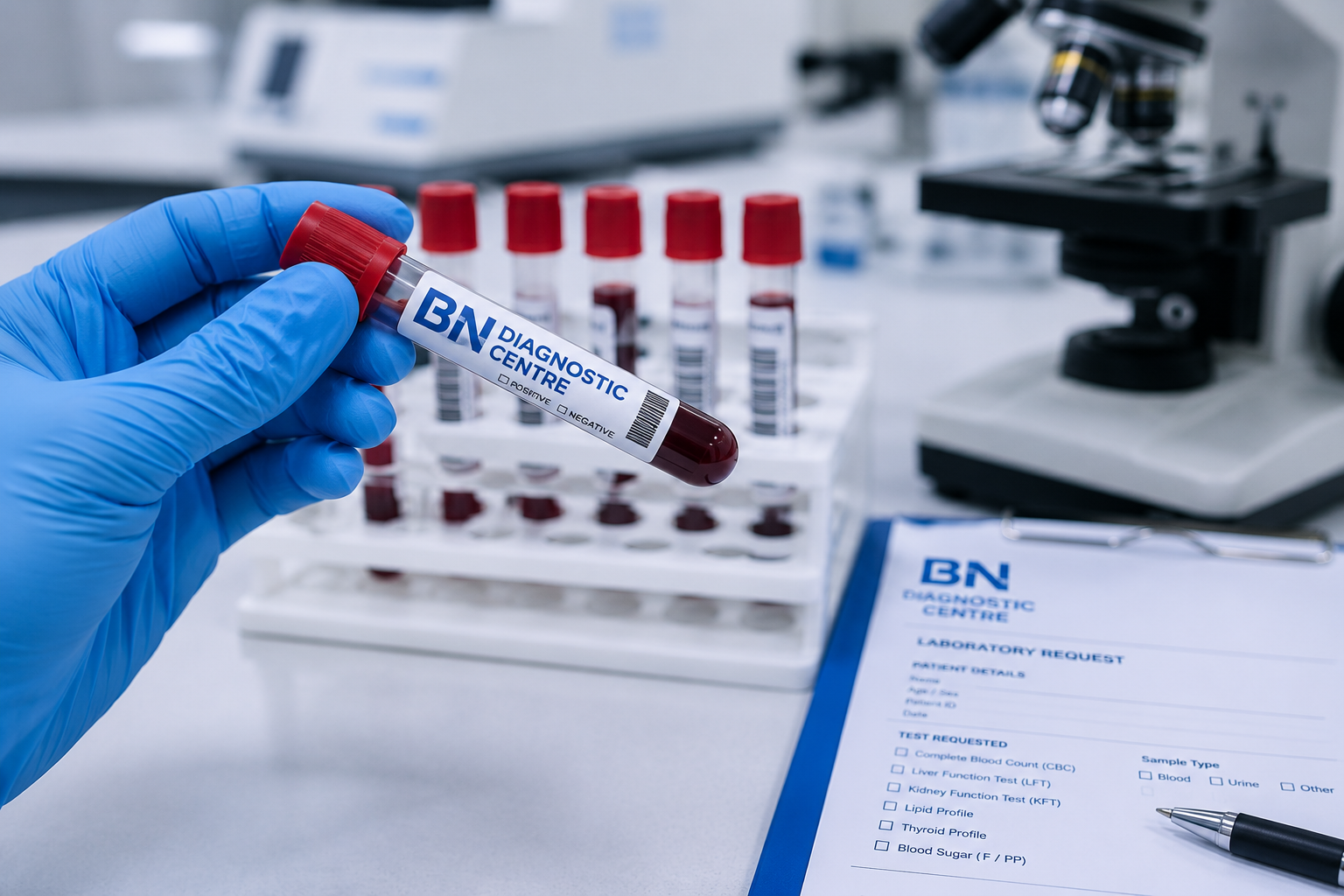
Top 10 Blood Tests You Should Get Annually In today’s fast-paced world, maintaining good health has become more important than ever. Many serious health conditions, including diabetes, thyroid disorders, heart disease, liver problems, and kidney disease, often develop silently without showing noticeable symptoms in their early stages. This is why preventive healthcare plays a crucial role in helping individuals identify potential health concerns before they become severe. One of the most effective ways to monitor your overall health is through regular blood testing. Annual blood tests provide valuable insights into how your body is functioning and help healthcare professionals detect abnormalities at an early stage. These tests can reveal important information about your blood sugar levels, cholesterol levels, liver function, kidney health, thyroid activity, vitamin deficiencies, and much more. Routine blood testing is not only beneficial for individuals with existing medical conditions but also for healthy adults who want to take a proactive approach to their well-being. Early detection of health issues often leads to better treatment outcomes, reduced medical expenses, and improved quality of life. By identifying risk factors early, individuals can make necessary lifestyle changes and receive timely medical care to prevent complications in the future. At BN Diagnostic Centre, a trusted Diagnostic Centre in Jaipur, we believe that preventive health screening is the foundation of long-term wellness. Our advanced laboratory facilities and experienced diagnostic professionals provide accurate, reliable, and timely test results to support informed healthcare decisions. In this guide, we will discuss the Top 10 Blood Tests You Should Get Annually to monitor your health, detect diseases early, and maintain overall wellness. Whether you are looking for a routine blood test, a full body health checkup, or preventive health screening, understanding these essential tests can help you stay one step ahead of potential health concerns and achieve better long-term health outcomes. What Are Annual Blood Tests? Annual blood tests are routine laboratory investigations performed to evaluate your overall health and identify potential medical conditions before they become serious. These tests analyze different components of your blood and provide valuable information about the functioning of vital organs such as the heart, liver, kidneys, thyroid gland, and immune system. Regular blood testing is one of the most effective preventive healthcare measures because many health conditions develop gradually and may not show obvious symptoms in their early stages. Through annual blood tests, healthcare professionals can detect abnormalities, monitor existing health conditions, and recommend appropriate treatment or lifestyle modifications when necessary. Whether you are a healthy individual, someone with a family history of chronic diseases, or a patient managing an ongoing medical condition, annual blood tests play a crucial role in maintaining long-term health and well-being. Understanding Routine Blood Tests Routine blood tests are designed to assess various aspects of your health by measuring important biomarkers and blood components. These tests help healthcare providers evaluate your body’s overall functioning and identify any signs of disease, deficiency, infection, or organ dysfunction. Common routine blood tests include: Complete Blood Count (CBC) Blood Sugar Test HbA1c Test Lipid Profile Thyroid Profile Liver Function Test (LFT) Kidney Function Test (RFT) Vitamin D Test Vitamin B12 Test Iron Profile Test Each of these tests provides specific information about your health and helps doctors make informed decisions regarding diagnosis, treatment, and preventive care. For example, a CBC Test helps evaluate blood cell health, while a Lipid Profile assesses cholesterol levels and heart disease risk. Similarly, Thyroid Profile Tests help identify thyroid disorders, and Blood Sugar Tests assist in diabetes detection and management. Benefits of Annual Blood Testing Regular blood testing offers numerous health benefits and helps individuals take a proactive approach to healthcare. Early Disease Detection Many conditions such as diabetes, thyroid disorders, anemia, liver disease, kidney disease, and high cholesterol can be detected early through routine blood tests. Early diagnosis often leads to more effective treatment and better health outcomes. Better Treatment Outcomes When health problems are identified at an early stage, treatment can begin sooner, reducing the risk of complications and improving recovery rates. Monitoring Chronic Health Conditions Individuals with conditions such as diabetes, thyroid disorders, hypertension, or cardiovascular disease can use annual blood tests to monitor their health and evaluate the effectiveness of their treatment plans. Preventive Health Screening Routine blood testing helps identify risk factors before symptoms appear. This allows individuals to make lifestyle changes, improve nutrition, increase physical activity, and take preventive measures to maintain good health. Comprehensive Health Assessment Annual blood tests provide a detailed overview of your body’s functioning, helping healthcare providers assess organ health, nutritional status, hormonal balance, and overall wellness. Why Annual Blood Testing Matters Preventive healthcare is not only about treating illnesses but also about preventing them. Annual blood testing empowers individuals to stay informed about their health status and make better healthcare decisions. Regular monitoring can help reduce the risk of serious diseases, improve quality of life, and support long-term wellness. At BN Diagnostic Centre, a trusted Diagnostic Centre in Jaipur, we recommend routine blood tests as an essential part of preventive health screening. Our advanced laboratory technology and experienced diagnostic professionals ensure accurate results and reliable reporting, helping patients take control of their health with confidence. Why Are Health Checkup Tests Important? Health checkup tests play a vital role in maintaining overall well-being and preventing serious medical conditions. Many diseases develop gradually and often show little or no symptoms during their early stages. Routine health checkup tests help identify potential health concerns before they become severe, allowing timely medical intervention and better treatment outcomes. Regular health screening is one of the most effective ways to monitor your body’s functioning and assess your risk of developing chronic diseases such as diabetes, heart disease, thyroid disorders, liver disease, kidney disease, and high cholesterol. These tests provide valuable information that helps doctors evaluate your health status and recommend appropriate preventive measures. In today’s busy lifestyle, factors such as stress, unhealthy eating habits, lack of physical activity, pollution, and genetic predisposition can significantly impact overall health. Regular