

The Vitamin B12 Test is one of the most important laboratory investigations used to measure the level of vitamin B12 in your body and assess your overall nutritional health. Vitamin B12, also known as cobalamin, is an essential water-soluble vitamin that plays a crucial role in the production of healthy red blood cells, proper nerve function, DNA synthesis, and brain health. Unlike many other vitamins, the human body cannot produce vitamin B12 on its own, so it must be obtained through food or dietary supplements. Vitamin B12 is naturally found in animal-based foods such as meat, fish, eggs, milk, and dairy products. As a result, vegetarians, vegans, elderly individuals, and people with digestive disorders are at a higher risk of developing vitamin B12 deficiency. Although the body stores vitamin B12 in the liver, these reserves gradually decrease over time if intake or absorption becomes inadequate. Vitamin B12 deficiency often develops slowly and may remain unnoticed for months or even years before symptoms become apparent. Individuals with low vitamin B12 levels commonly experience persistent fatigue, weakness, dizziness, pale skin, memory problems, numbness or tingling in the hands and feet, difficulty walking, mood changes, and poor concentration. If left untreated, severe vitamin B12 deficiency may lead to irreversible nerve damage, anemia, and neurological complications. A Vitamin B12 Test enables healthcare providers to detect deficiency at an early stage, monitor treatment effectiveness, and recommend dietary improvements or supplementation before permanent damage occurs. Doctors commonly recommend a Vitamin B12 Blood Test for individuals experiencing unexplained fatigue, anemia, neurological symptoms, digestive disorders, or nutritional deficiencies. It is also included in many preventive health checkups because early diagnosis supports better long-term health outcomes. In this comprehensive guide, you will learn everything about the Vitamin B12 Test, including what it measures, why it is important, normal vitamin B12 levels, preparation guidelines, report interpretation, and practical ways to maintain healthy vitamin B12 levels throughout your life. What is a Vitamin B12 Test? A Vitamin B12 Test is a laboratory blood test that measures the amount of vitamin B12 circulating in your bloodstream to determine whether your body has sufficient levels to support healthy blood cell production, nerve function, and DNA synthesis. The test helps healthcare providers diagnose vitamin B12 deficiency, monitor ongoing treatment, evaluate nutritional status, and investigate symptoms that may be related to low vitamin B12 levels. Since vitamin B12 is essential for several critical body functions, maintaining adequate levels is important for overall health and well-being. The Vitamin B12 Blood Test is considered one of the most reliable methods for identifying deficiency because symptoms alone are often non-specific and may resemble those of many other medical conditions. Healthcare providers frequently recommend a Serum Vitamin B12 Test, which measures the concentration of vitamin B12 in the blood. This test provides valuable information about the body’s available vitamin B12 stores and helps determine whether additional investigations or treatment are required. Individuals experiencing chronic fatigue, weakness, numbness, poor memory, anemia, or difficulty maintaining balance often undergo a Vitamin B12 Deficiency Test to identify nutritional deficiencies contributing to these symptoms. Doctors may also request the test for patients with digestive disorders such as Crohn’s disease, celiac disease, pernicious anemia, or after certain gastrointestinal surgeries because these conditions may reduce vitamin B12 absorption. A Vitamin B12 Test is particularly important for vegetarians and vegans because vitamin B12 is naturally found almost exclusively in animal-based foods. Elderly individuals are also at increased risk because aging reduces the stomach’s ability to absorb vitamin B12 efficiently. Patients taking long-term acid-reducing medications or metformin for diabetes may develop reduced vitamin B12 absorption and require periodic monitoring. The Vitamin B12 Screening Test is often included in routine preventive health checkups because deficiency can remain undetected for long periods without obvious symptoms. The procedure itself is simple and requires only a small blood sample collected from a vein in your arm. Advanced laboratory analyzers accurately measure serum vitamin B12 levels, and reports are generally available within the same day or within 24 hours. Early diagnosis through a Vitamin B12 Test enables timely treatment with dietary modifications, oral supplements, or vitamin B12 injections when necessary, helping prevent long-term neurological complications and improving overall quality of life. What Does a Vitamin B12 Test Measure? A Vitamin B12 Test measures the concentration of vitamin B12 circulating in your bloodstream, allowing healthcare providers to determine whether your body has sufficient vitamin B12 to support healthy blood formation, nervous system function, DNA production, and cellular metabolism. Because vitamin B12 participates in many essential biological processes, even mild deficiencies can gradually affect multiple organ systems. The Vitamin B12 Blood Test helps identify nutritional deficiencies before severe complications develop and enables healthcare providers to recommend appropriate treatment. Serum Vitamin B12 The Serum Vitamin B12 Test measures the total amount of vitamin B12 present in your bloodstream. This is the most commonly performed laboratory investigation for evaluating vitamin B12 status. Vitamin B12 supports normal cell division, healthy nerve cells, and red blood cell production. Low serum vitamin B12 levels often indicate inadequate dietary intake, poor intestinal absorption, autoimmune disorders such as pernicious anemia, or gastrointestinal diseases affecting nutrient absorption. Although the Serum Vitamin B12 Test is highly valuable, doctors may occasionally recommend additional investigations if results fall within the borderline range or if symptoms strongly suggest deficiency despite normal laboratory values. Monitoring serum vitamin B12 levels also helps evaluate the effectiveness of vitamin supplementation and long-term treatment. Vitamin B12 and Red Blood Cell Production One of the primary functions of vitamin B12 is supporting the production of healthy red blood cells in the bone marrow. Without adequate vitamin B12, red blood cells become unusually large and develop abnormally, leading to a condition known as megaloblastic anemia. These enlarged red blood cells cannot transport oxygen efficiently throughout the body, resulting in symptoms such as fatigue, weakness, dizziness, shortness of breath, pale skin, and reduced exercise tolerance. The Vitamin B12 Test helps healthcare providers identify vitamin B12 deficiency as an underlying cause of anemia and distinguish
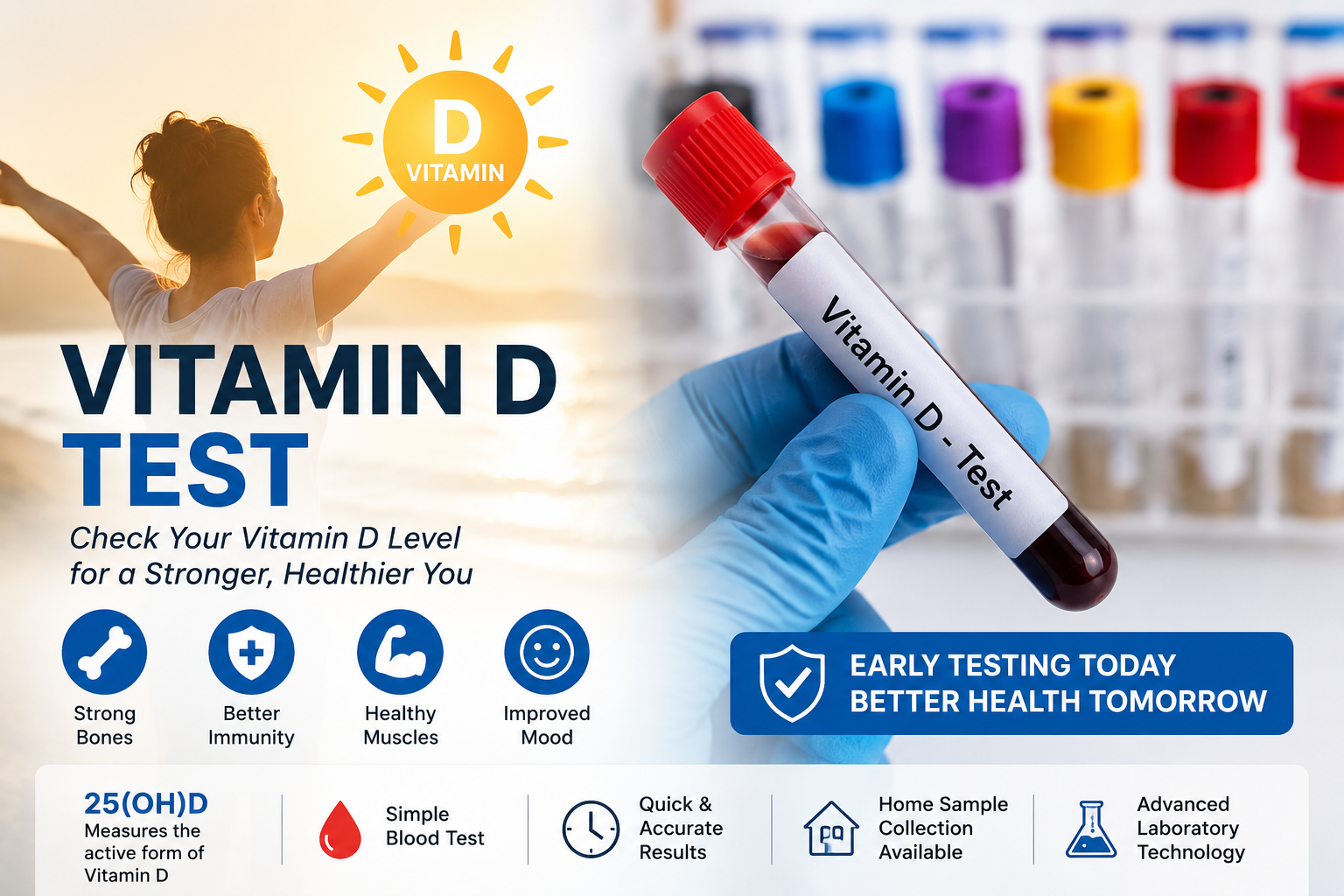
Vitamin D Test: Normal Range, Purpose & Deficiency Guide
The Vitamin D Test is one of the most important laboratory investigations used to evaluate the level of vitamin D in your body and assess your overall bone health, muscle function, and immune system. Vitamin D is an essential nutrient that plays a vital role in helping the body absorb calcium and phosphorus, two minerals necessary for building and maintaining strong bones and teeth. In addition to supporting bone health, vitamin D contributes to healthy muscle function, nerve signaling, immune response, and overall well-being. Despite its importance, vitamin D deficiency has become one of the most common nutritional deficiencies worldwide, particularly in countries like India, where lifestyle changes, indoor occupations, air pollution, sunscreen use, and limited exposure to sunlight have reduced the body’s natural production of vitamin D. Many people remain unaware of their deficiency because symptoms often develop gradually and may be mistaken for general tiredness or aging. Persistent fatigue, muscle weakness, bone pain, frequent fractures, mood changes, and recurrent infections may all be associated with low vitamin D levels. A Vitamin D Test allows healthcare providers to accurately measure vitamin D in the blood, identify deficiencies early, monitor treatment effectiveness, and recommend appropriate dietary changes or supplementation when necessary. Doctors commonly recommend this test for individuals with osteoporosis, chronic kidney disease, malabsorption disorders, autoimmune diseases, obesity, or symptoms suggestive of vitamin D deficiency. It is also included in many preventive health checkups to detect nutritional deficiencies before complications occur. In this comprehensive guide, you will learn everything about the Vitamin D Test, including what it measures, why it is important, normal vitamin D levels, preparation guidelines, report interpretation, and practical ways to maintain healthy vitamin D levels throughout your life. What is a Vitamin D Test? A Vitamin D Test is a laboratory blood test that measures the amount of vitamin D circulating in your bloodstream to determine whether your body has sufficient levels to support healthy bones, muscles, and immune function. The test helps healthcare providers identify vitamin D deficiency, vitamin D insufficiency, or excessive vitamin D levels, allowing appropriate treatment and monitoring. Since vitamin D is essential for calcium absorption, maintaining adequate levels is critical for preventing bone disorders such as osteoporosis, osteomalacia, and rickets. The Vitamin D Blood Test is one of the most reliable methods for assessing the body’s vitamin D status because symptoms alone cannot accurately determine whether deficiency exists. Doctors most commonly request the 25-Hydroxy Vitamin D Test, which measures the storage form of vitamin D circulating in the bloodstream. This form reflects vitamin D obtained from sunlight exposure, food, and supplements, making it the best indicator of overall vitamin D status. The Vitamin D3 Test specifically evaluates vitamin D3, the form naturally produced in the skin after exposure to sunlight and commonly found in dietary supplements. Because vitamin D levels change gradually over time, the Vitamin D Test provides valuable information about long-term nutritional status rather than short-term dietary intake. Healthcare providers recommend a Vitamin D Test for individuals experiencing bone pain, muscle weakness, unexplained fatigue, frequent fractures, slow healing after bone injuries, or recurrent infections. People with osteoporosis, chronic kidney disease, liver disease, obesity, digestive disorders that reduce nutrient absorption, autoimmune diseases, or thyroid disorders may also require regular testing. Pregnant women, postmenopausal women, elderly individuals, and children with delayed growth or bone development often undergo Vitamin D Screening Tests because these groups have a higher risk of deficiency. Individuals who spend most of their time indoors or have very limited sunlight exposure are also more likely to develop low vitamin D levels. The Vitamin D Test is commonly included in routine preventive health checkups because vitamin D deficiency frequently develops without obvious symptoms. Early diagnosis allows doctors to recommend safe sunlight exposure, dietary improvements, lifestyle modifications, or vitamin D supplementation before complications develop. The test requires only a small blood sample collected from a vein in your arm and is generally completed within a few minutes. Laboratory analysis is performed using advanced automated equipment, and reports are usually available on the same day or within 24 hours. Early detection through a Vitamin D Test supports healthier bones, stronger muscles, improved immunity, and better long-term health. What Does a Vitamin D Test Measure? A Vitamin D Test measures the concentration of vitamin D circulating in your bloodstream, allowing healthcare providers to evaluate whether your body has sufficient levels to support healthy bone formation, calcium absorption, muscle strength, and immune function. Although vitamin D exists in different forms, laboratories primarily measure 25-Hydroxy Vitamin D, also known as 25(OH)D, because it is the most stable and accurate indicator of overall vitamin D status. This measurement reflects vitamin D obtained from sunlight, food, and supplements over several weeks, making it the preferred laboratory investigation for diagnosing deficiency. 25-Hydroxy Vitamin D Test The 25-Hydroxy Vitamin D Test is considered the gold standard for evaluating vitamin D levels because it measures the major storage form of vitamin D present in the bloodstream. After vitamin D is produced in the skin or absorbed from food, it undergoes processing in the liver, where it is converted into 25-hydroxy vitamin D. Measuring this form provides the most accurate assessment of the body’s vitamin D reserves. Healthcare providers use the 25-Hydroxy Vitamin D Test to diagnose deficiency, monitor supplementation, evaluate treatment effectiveness, and identify excessive vitamin D levels resulting from inappropriate supplement use. Because vitamin D plays a critical role in calcium metabolism, maintaining healthy 25-Hydroxy Vitamin D levels is essential for preserving bone strength and preventing fractures. Vitamin D3 The Vitamin D3 Test relates to vitamin D3 (cholecalciferol), the natural form of vitamin D produced by the skin after exposure to sunlight. Vitamin D3 is also commonly found in dietary supplements and fortified foods. Once produced or consumed, vitamin D3 undergoes conversion in the liver and kidneys before becoming biologically active. Adequate vitamin D3 supports calcium absorption, healthy bones, proper muscle contraction, and immune system regulation. Low vitamin D3 levels may contribute to osteoporosis, muscle weakness, chronic
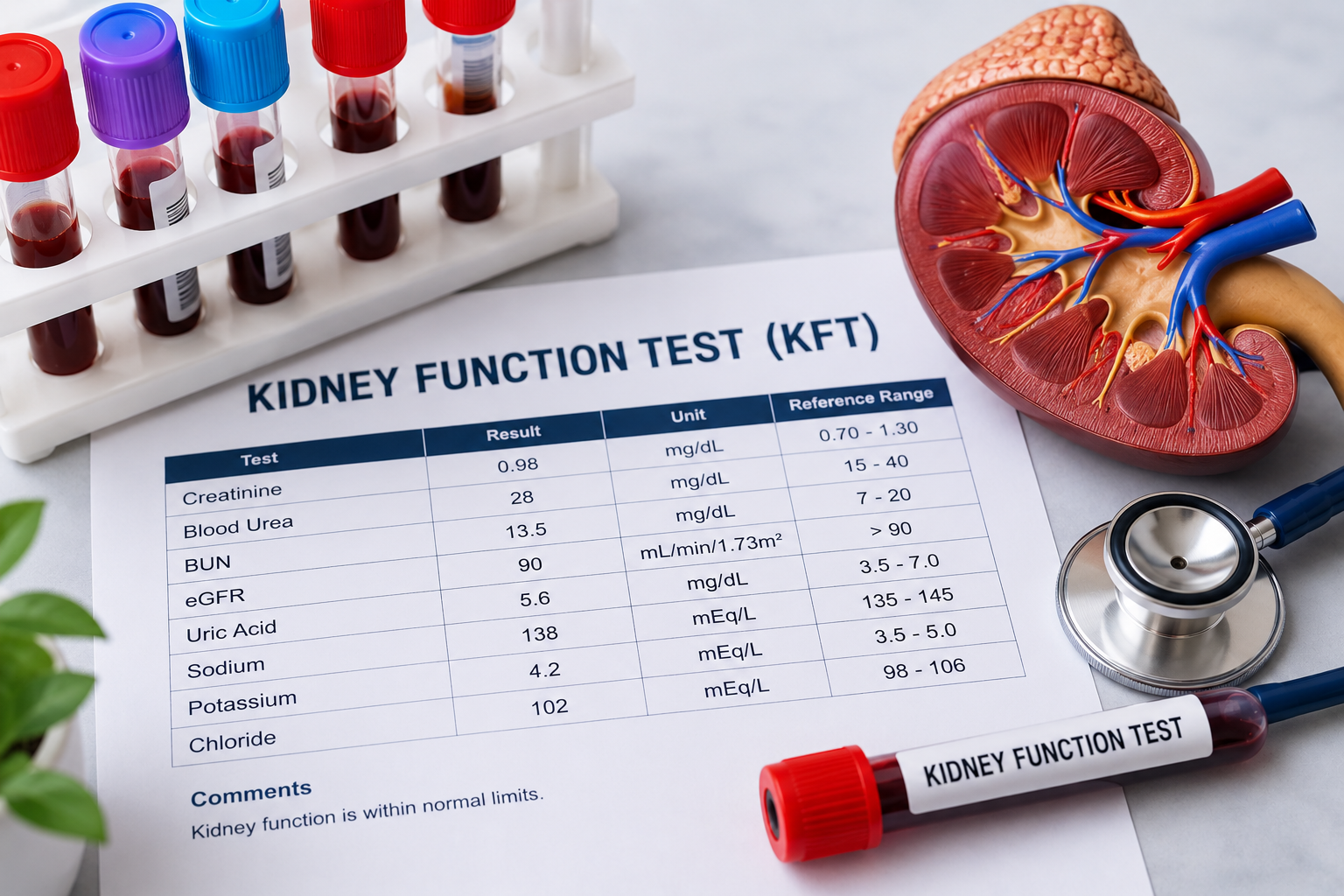
Kidney Function Test (KFT): Normal Range, Purpose & Guide
The Kidney Function Test is one of the most important diagnostic blood tests used to evaluate the health and performance of your kidneys. The kidneys are two bean-shaped organs located on either side of the spine just below the rib cage, and they perform several essential functions that keep the body healthy. Every day, the kidneys filter approximately 180 liters of blood, removing waste products, excess fluids, and toxins while maintaining the right balance of water, electrolytes, minerals, and blood pressure. They also help produce hormones that support red blood cell production, regulate blood pressure, and maintain strong bones by activating vitamin D. Because the kidneys work continuously to keep the body functioning properly, even a slight decline in kidney function can affect overall health. Unfortunately, many kidney diseases develop gradually and may not produce noticeable symptoms until significant damage has already occurred. Conditions such as chronic kidney disease, diabetic kidney disease, hypertension-related kidney damage, kidney stones, and urinary tract disorders often progress silently, making early detection extremely important. A Kidney Function Test helps healthcare providers identify kidney problems before symptoms become severe or permanent damage develops. The test measures important waste products and filtration markers in the blood, allowing doctors to evaluate how efficiently the kidneys are filtering blood and removing waste. Healthcare professionals commonly recommend a KFT Test for individuals with diabetes, high blood pressure, obesity, kidney disease symptoms, or a family history of kidney disorders. It is also routinely included in preventive health checkups and before certain medical procedures or surgeries. Early diagnosis through a Kidney Function Test allows timely treatment, healthier lifestyle changes, and proper disease management, reducing the risk of kidney failure and improving long-term health. In this comprehensive guide, you will learn everything about the Kidney Function Test, including what it measures, why it is important, normal reference ranges, preparation guidelines, report interpretation, and practical tips for maintaining healthy kidneys. What is a Kidney Function Test? A Kidney Function Test is a group of laboratory blood tests that evaluate how well your kidneys are filtering blood, removing waste products, balancing fluids, and maintaining essential minerals within the body. Rather than being a single investigation, the KFT Test includes several important laboratory measurements that collectively provide a comprehensive assessment of kidney health. Healthy kidneys continuously remove metabolic waste, excess salts, toxins, and fluids through urine while maintaining the correct balance of sodium, potassium, calcium, phosphorus, and other electrolytes. When kidney function begins to decline, these waste products accumulate in the bloodstream, and electrolyte balance becomes disturbed. A Kidney Blood Test allows healthcare providers to detect these abnormalities early, often before noticeable symptoms appear. Doctors commonly recommend a Kidney Function Test for individuals experiencing swelling in the feet or ankles, changes in urination, blood in the urine, persistent fatigue, nausea, high blood pressure, or unexplained weakness. Patients diagnosed with diabetes or hypertension require regular Kidney Function Test monitoring because these two conditions are among the leading causes of chronic kidney disease worldwide. Individuals with kidney stones, urinary tract disorders, autoimmune diseases, recurrent urinary infections, or a family history of kidney disease also benefit from routine kidney screening. The Renal Function Test, another commonly used name for the Kidney Function Test, helps doctors diagnose kidney disease, monitor treatment progress, evaluate medication safety, and assess kidney function before surgery or imaging procedures involving contrast dye. The Kidney Function Test is also an essential component of routine preventive healthcare because chronic kidney disease often develops silently and may remain undetected until kidney function has significantly declined. Early detection enables healthcare providers to recommend lifestyle modifications, medications, dietary changes, or further investigations before irreversible kidney damage occurs. The procedure itself is simple, requiring only a small blood sample collected from a vein in your arm. Advanced laboratory analyzers measure various kidney function markers with high accuracy, and reports are generally available within the same day or within 24 hours. Early diagnosis through a Kidney Function Test supports better long-term kidney health and helps prevent complications such as kidney failure, cardiovascular disease, and electrolyte imbalance. What Does a Kidney Function Test Measure? A Kidney Function Test measures several important substances in your blood that help healthcare providers determine how efficiently your kidneys are filtering waste products and maintaining the body’s internal balance. Each parameter provides different information about kidney function, and doctors evaluate all values together rather than relying on a single result. Creatinine Test One of the most important components of a Kidney Function Test is the Creatinine Test. Creatinine is a waste product produced naturally during normal muscle activity. Healthy kidneys remove creatinine from the bloodstream and eliminate it through urine. When kidney function declines, creatinine accumulates in the blood, causing elevated levels. A high creatinine level often indicates reduced kidney filtration and is one of the earliest laboratory signs of kidney dysfunction. However, creatinine values may also be influenced by age, gender, muscle mass, hydration status, and certain medications. Doctors therefore interpret the Creatinine Test alongside other kidney function parameters before making a diagnosis. Monitoring creatinine levels regularly is especially important for individuals with diabetes, hypertension, chronic kidney disease, or those taking medications that may affect kidney function. Blood Urea Test The Blood Urea Test measures the amount of urea present in the bloodstream. Urea is produced when the body breaks down proteins during normal metabolism. Healthy kidneys filter urea from the blood and remove it through urine. Elevated blood urea levels may indicate reduced kidney function, dehydration, excessive protein intake, gastrointestinal bleeding, or other medical conditions affecting kidney filtration. Low urea levels are less common but may occur in severe liver disease or poor nutritional status. The Blood Urea Test provides valuable information when interpreted together with creatinine and other kidney markers. Blood Urea Nitrogen (BUN) Another important measurement included in many Kidney Function Test panels is Blood Urea Nitrogen (BUN). BUN specifically measures the nitrogen component of urea circulating in the blood. Since urea is normally filtered by healthy kidneys, elevated BUN values often suggest
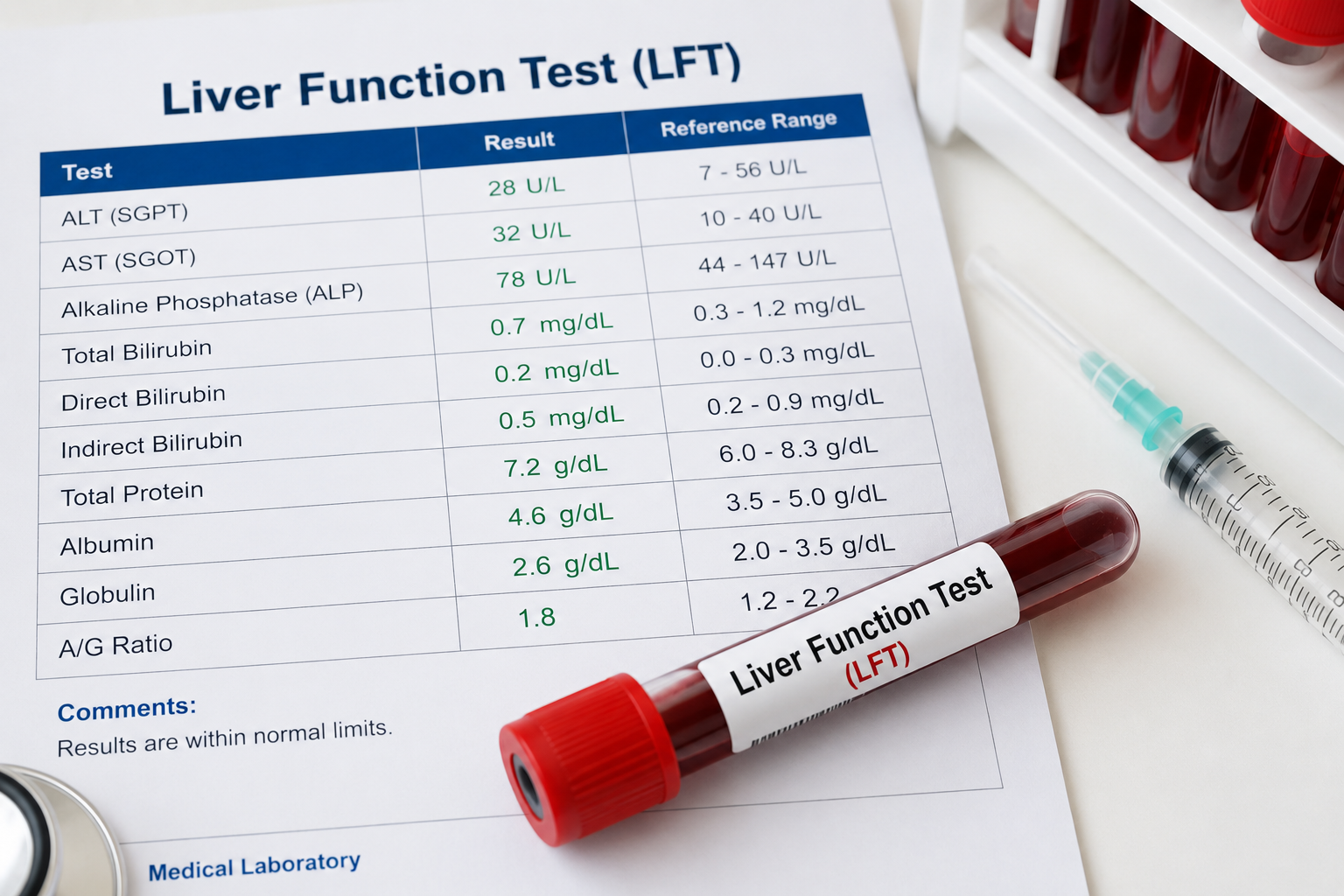
Liver Function Test (LFT): Purpose, Normal Range & Guide
The Liver Function Test is one of the most important diagnostic blood tests used to evaluate the health and performance of the liver. The liver is the largest internal organ in the human body and performs more than 500 vital functions that are essential for maintaining overall health. It helps digest food by producing bile, removes toxins from the bloodstream, stores vitamins and minerals, regulates blood sugar, produces proteins necessary for blood clotting, and metabolizes medications and nutrients. Because the liver performs so many critical functions, even minor liver damage can affect the body’s overall well-being. Unfortunately, many liver diseases develop silently without causing noticeable symptoms during their early stages. Conditions such as fatty liver disease, hepatitis, alcohol-related liver disease, and liver cirrhosis often progress gradually, making early diagnosis extremely important. A Liver Function Test helps healthcare providers detect liver abnormalities before permanent damage occurs. The test measures several enzymes and proteins in the blood that indicate how well the liver is functioning and whether liver cells have been injured. Doctors commonly recommend a LFT Test for individuals experiencing symptoms such as jaundice, abdominal pain, persistent fatigue, loss of appetite, nausea, or unexplained weight loss. It is also routinely performed during preventive health checkups, before surgery, while monitoring certain medications, and for patients with diabetes, obesity, or excessive alcohol consumption. By identifying liver disorders early, a Liver Function Test allows timely medical intervention, lifestyle modifications, and appropriate treatment that can prevent severe complications. In this comprehensive guide, you will learn everything about the Liver Function Test, including what it measures, why it is important, the normal range of liver enzymes, preparation before testing, interpretation of results, and practical ways to maintain a healthy liver throughout your life. What is a Liver Function Test? A Liver Function Test is a group of laboratory blood tests designed to evaluate the health of your liver by measuring specific enzymes, proteins, and waste products circulating in your bloodstream. Rather than being a single investigation, the LFT Test includes several individual tests that collectively provide valuable information about liver cell health, bile flow, protein production, and the liver’s ability to perform its essential functions. Since the liver is responsible for processing nutrients, filtering harmful substances, producing clotting proteins, and regulating metabolism, any damage to liver cells may alter the levels of these substances in the blood. A Liver Blood Test helps doctors identify whether liver cells are functioning normally or if additional evaluation and treatment are required. Healthcare providers commonly recommend a Liver Function Test for individuals experiencing symptoms such as yellowing of the skin or eyes (jaundice), persistent fatigue, nausea, vomiting, abdominal discomfort, swelling, dark urine, pale stools, or unexplained weight loss. The test is also performed for people with known liver conditions such as fatty liver disease, viral hepatitis, alcoholic liver disease, autoimmune liver disorders, and liver cirrhosis. Patients taking long-term medications that may affect liver function often require periodic Liver Function Test monitoring to ensure medications are not causing liver damage. Doctors also recommend routine LFT Test screening for individuals with obesity, diabetes, high cholesterol, metabolic syndrome, or excessive alcohol consumption because these factors significantly increase the risk of liver disease. The Liver Function Test is also valuable during routine preventive health checkups because liver disorders frequently develop without causing obvious symptoms. Detecting abnormalities early allows doctors to recommend lifestyle changes, dietary improvements, medication adjustments, or further diagnostic investigations before permanent liver damage occurs. The procedure itself is simple, requiring only a small blood sample collected from a vein in your arm. Laboratory analysis is performed using advanced automated equipment, and results are usually available on the same day or within 24 hours. Early diagnosis through a Liver Function Test helps prevent disease progression, improves treatment outcomes, and supports lifelong liver health. What Does a Liver Function Test Measure? A Liver Function Test measures several important enzymes, proteins, and waste products that help healthcare providers evaluate different aspects of liver health. Each component provides unique information about liver cell function, bile production, and the liver’s ability to perform essential metabolic activities. Doctors interpret all these values together because a single abnormal result may not always indicate liver disease. ALT (SGPT) One of the most important components measured during a Liver Function Test is Alanine Aminotransferase (ALT), commonly known as the SGPT Test. ALT is an enzyme found primarily inside liver cells, where it plays an important role in protein metabolism. Under normal conditions, only a small amount of ALT is present in the bloodstream. However, when liver cells become damaged due to conditions such as fatty liver disease, viral hepatitis, alcohol-related liver injury, or certain medications, ALT is released into the blood, causing elevated levels. High ALT values often serve as one of the earliest indicators of liver cell injury, making the SGPT Test an essential part of the Liver Function Test. Doctors evaluate ALT levels alongside other liver enzymes to determine the severity and possible cause of liver damage. AST (SGOT) Another key enzyme measured during the Liver Function Test is Aspartate Aminotransferase (AST), also known as the SGOT Test. AST is found not only in the liver but also in the heart, muscles, kidneys, and other tissues. Elevated AST levels may indicate liver injury, but they can also occur due to muscle disorders, heart disease, or strenuous physical activity. Because AST is present in several organs, doctors usually compare AST values with ALT results to better understand whether the abnormality originates from the liver. Together, the ALT Test and AST Test provide valuable information about liver inflammation and help diagnose conditions such as hepatitis, fatty liver disease, and cirrhosis. Bilirubin The Bilirubin Test is another important part of the Liver Function Test. Bilirubin is a yellow pigment produced when red blood cells naturally break down. The liver processes bilirubin and removes it from the body through bile. When liver function becomes impaired or bile flow is obstructed, bilirubin accumulates in the bloodstream, causing jaundice—a yellow discoloration of the skin
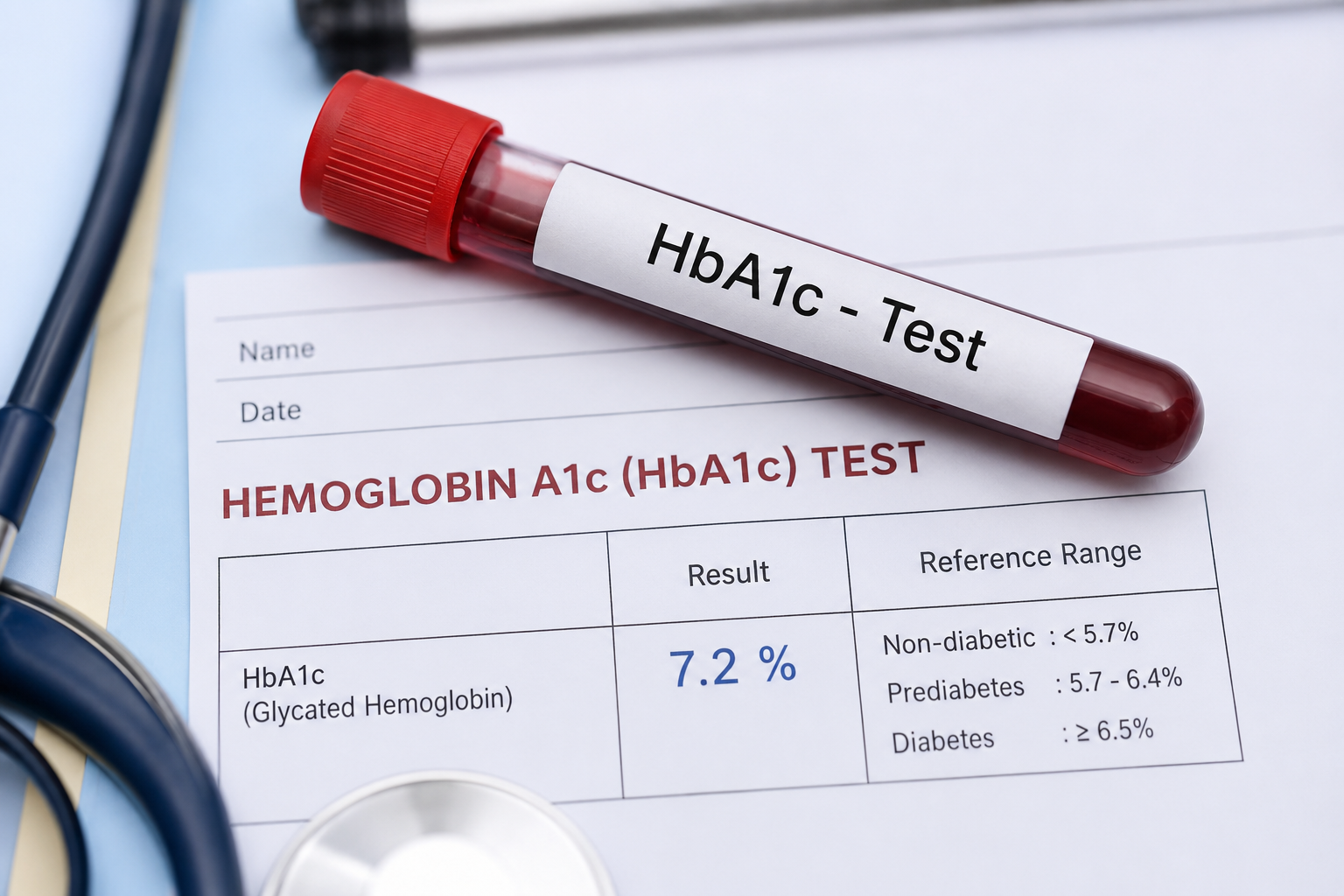
HbA1c Test: Normal Range, Purpose & Diabetes Monitoring
The HbA1c Test is one of the most important blood tests for diagnosing diabetes, monitoring long-term blood sugar control, and preventing serious health complications associated with uncontrolled glucose levels. Diabetes is a growing global health concern, affecting millions of people and increasing the risk of heart disease, kidney failure, vision loss, nerve damage, and stroke if left unmanaged. While routine blood sugar tests such as fasting or post-meal glucose provide information about blood sugar at a specific moment, the HbA1c Test offers a much broader picture by measuring the average blood glucose level over the previous two to three months. This makes it one of the most reliable tools for evaluating how well diabetes is being managed over time. Doctors frequently recommend the HbA1c Test for individuals with diabetes, people at risk of developing diabetes, and those undergoing routine preventive health checkups. Unlike some other blood sugar investigations, this test generally does not require fasting, making it convenient and easy for patients. It helps healthcare providers assess treatment effectiveness, identify individuals with prediabetes, and make timely adjustments to medications, diet, and lifestyle habits. Whether you have recently been diagnosed with diabetes, have a family history of the condition, or simply wish to monitor your overall health, understanding the importance of the HbA1c Test can help you make informed decisions about your well-being. In this comprehensive guide, you will learn what an HbA1c Test is, how it works, the normal HbA1c range, why it is important, how to prepare for the test, how to interpret your report, and practical ways to maintain healthy blood sugar levels for long-term health. What is an HbA1c Test? An HbA1c Test, also known as the Glycated Hemoglobin Test, is a laboratory blood test that measures the percentage of hemoglobin in your red blood cells that has glucose attached to it. Hemoglobin is the protein responsible for carrying oxygen throughout the body, and because red blood cells remain in circulation for approximately 120 days, the amount of glucose attached to hemoglobin reflects your average blood sugar level over the previous two to three months. Unlike a routine Blood Sugar Test, which measures glucose at a single point in time, the HbA1c Test provides a long-term overview of blood glucose control. This makes it one of the most valuable tools for diagnosing diabetes, identifying prediabetes, and monitoring patients who are already receiving treatment for diabetes. Doctors recommend an HbA1c Test because blood sugar levels naturally fluctuate throughout the day depending on meals, exercise, stress, illness, and medications. A single fasting or random blood glucose reading may not accurately represent overall glucose control, whereas the HbA1c Blood Test reflects average blood sugar exposure over several weeks. This long-term perspective allows healthcare providers to determine whether diabetes treatment plans are working effectively or whether adjustments are necessary. Individuals with diabetes often undergo an HbA1c Test every three to six months to monitor disease control and reduce the risk of long-term complications. Healthcare professionals also use the test to diagnose diabetes in individuals with symptoms such as excessive thirst, frequent urination, unexplained weight loss, fatigue, blurred vision, and slow wound healing. The HbA1c Test is suitable for adults with type 1 diabetes, type 2 diabetes, prediabetes, and people at high risk of developing diabetes due to obesity, family history, hypertension, high cholesterol, or a sedentary lifestyle. Pregnant women may occasionally require this investigation when recommended by their healthcare provider, although other specialized tests are commonly preferred for diagnosing gestational diabetes. Since fasting is generally not required, the HbA1c Test is convenient for both patients and healthcare providers, making it one of the most widely used investigations in modern diabetes management. Early diagnosis through an HbA1c Test allows timely treatment, better blood sugar control, and a significant reduction in the risk of diabetes-related complications. How Does the HbA1c Test Work? To understand the importance of an HbA1c Test, it is helpful to know how glucose interacts with red blood cells inside the body. After consuming carbohydrates, food is broken down into glucose, which enters the bloodstream and serves as the body’s primary source of energy. Some of this circulating glucose naturally attaches to hemoglobin, the oxygen-carrying protein found inside red blood cells. This process is called glycation and occurs continuously throughout the lifespan of each red blood cell. Since red blood cells typically survive for about three months, the amount of glycated hemoglobin reflects the average blood glucose concentration during that period. The Glycated Hemoglobin Test measures this percentage, allowing doctors to estimate long-term blood sugar control rather than relying on a single glucose reading. For example, an individual whose blood sugar remains consistently within the normal range will have a lower percentage of glycated hemoglobin than someone with persistently elevated blood glucose levels. Because the HbA1c Test measures long-term glucose exposure, temporary factors such as a single high-sugar meal, short-term stress, or brief illness generally have little effect on the final result. This makes the Long-Term Blood Sugar Test more reliable than isolated fasting or random blood glucose measurements for evaluating overall diabetes management. The HbA1c Test has become an essential component of diabetes care because it helps healthcare providers assess whether current medications, dietary modifications, physical activity, and lifestyle changes are effectively controlling blood sugar over time. Patients with diabetes who maintain lower HbA1c levels generally have a reduced risk of developing serious complications affecting the heart, kidneys, eyes, nerves, and blood vessels. Conversely, persistently elevated HbA1c values indicate poor glucose control and signal the need for treatment adjustments or additional medical evaluation. One of the major advantages of the HbA1c Blood Test is that fasting is usually unnecessary. Patients can undergo testing at almost any time of the day, making it significantly more convenient than certain other diabetes investigations. Laboratory specialists analyze the blood sample using advanced automated analyzers that provide accurate and standardized results. Doctors then compare the HbA1c value with internationally accepted guidelines while considering the patient’s age, medical history, symptoms, medications, and overall health
Diabetes Blood Tests: Fasting, PP, Random & HbA1c Guide
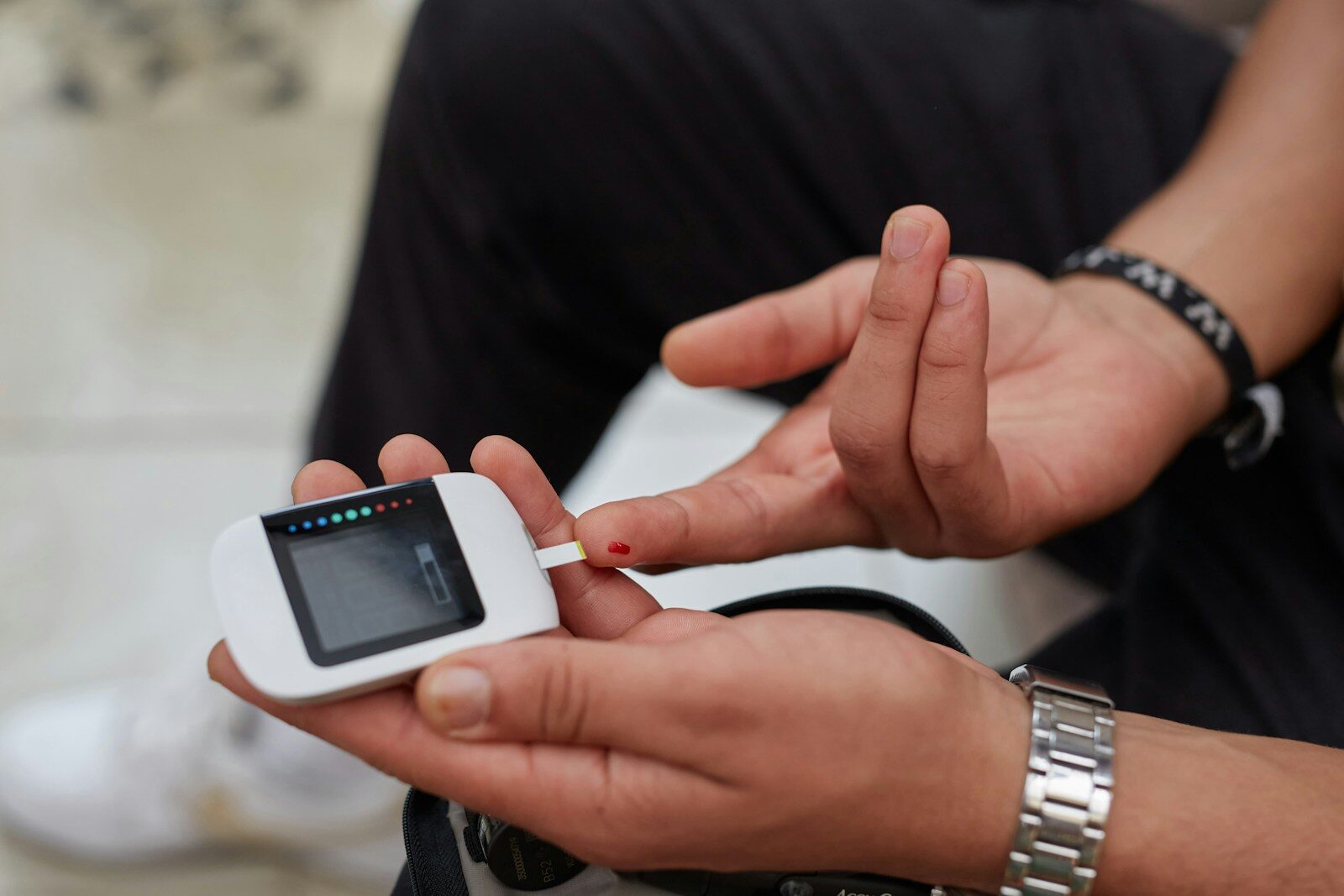
A Diabetes Blood Test is one of the most important diagnostic tools for detecting diabetes, monitoring blood sugar levels, and preventing serious health complications. Diabetes has become one of the fastest-growing chronic diseases worldwide, affecting millions of people of all ages. According to health experts, many individuals live with diabetes or prediabetes without realizing it because the condition often develops gradually and may not produce noticeable symptoms during its early stages. If left undiagnosed or untreated, diabetes can damage vital organs such as the heart, kidneys, eyes, nerves, and blood vessels, increasing the risk of life-threatening complications. This is why regular Diabetes Blood Test screening is essential, particularly for individuals with risk factors such as obesity, a family history of diabetes, high blood pressure, or a sedentary lifestyle. A Diabetes Blood Test measures the level of glucose (sugar) in your blood and helps doctors determine how effectively your body processes and regulates glucose. Different tests are available depending on the purpose of the evaluation, including the Fasting Blood Sugar Test, Postprandial (PP) Blood Sugar Test, Random Blood Sugar Test, and HbA1c Test. Each test provides unique information about your blood sugar levels over different periods, enabling healthcare professionals to diagnose diabetes accurately, monitor treatment effectiveness, and assess long-term glucose control. Whether you are experiencing symptoms such as excessive thirst, frequent urination, unexplained weight loss, fatigue, or blurred vision, or simply undergoing a routine health checkup, a Diabetes Blood Test plays a crucial role in protecting your overall health. In this comprehensive guide, you will learn about the different types of diabetes blood tests, their purpose, normal ranges, preparation, report interpretation, and the importance of regular diabetes screening for preventing complications and maintaining long-term well-being. What is a Diabetes Blood Test? A Diabetes Blood Test is a laboratory investigation that measures the amount of glucose present in your bloodstream to determine whether your blood sugar levels are within the normal range. Glucose is the body’s primary source of energy and is obtained from the food we eat. After digestion, glucose enters the bloodstream and is transported into body cells with the help of insulin, a hormone produced by the pancreas. When the body fails to produce enough insulin or cannot use insulin effectively, glucose begins to accumulate in the blood, leading to diabetes. A Blood Glucose Test helps healthcare providers evaluate how efficiently your body regulates blood sugar and whether additional medical evaluation or treatment is required. Since diabetes often develops gradually and may remain unnoticed for years, a Diabetes Blood Test is one of the most reliable methods for early detection and disease prevention. Doctors recommend a Diabetes Test for individuals who experience symptoms such as excessive thirst, frequent urination, unexplained weight loss, constant fatigue, blurred vision, slow wound healing, or recurrent infections. People with obesity, high blood pressure, high cholesterol, or a family history of diabetes are also advised to undergo regular Diabetes Blood Test screening because these factors significantly increase the risk of developing type 2 diabetes. Pregnant women may require diabetes testing to detect gestational diabetes, a temporary condition that can affect both mother and baby if left untreated. In addition to diagnosing diabetes, a Diabetes Blood Test is frequently used to monitor patients already receiving treatment, allowing doctors to evaluate whether medications, diet, exercise, and lifestyle modifications are effectively controlling blood sugar levels. The procedure itself is simple, requiring only a small blood sample collected from a vein in your arm or, in some cases, a finger-prick blood sample depending on the type of test. Results are generally available within a few hours or by the next day. Early diagnosis through a Diabetes Blood Test enables timely treatment, helping patients prevent serious complications while maintaining a healthier and more active lifestyle. Types of Diabetes Blood Tests A Diabetes Blood Test includes several different investigations, each designed to evaluate blood sugar levels under specific conditions. Healthcare providers select the appropriate test depending on whether they are screening for diabetes, confirming a diagnosis, or monitoring long-term glucose control. Understanding the purpose of each test helps patients appreciate why multiple blood sugar investigations may sometimes be recommended. Fasting Blood Sugar Test The Fasting Blood Sugar Test is one of the most commonly performed Diabetes Blood Test investigations and is often the first step in diabetes screening. This test measures your blood glucose level after fasting for approximately 8 to 12 hours, during which no food or calorie-containing beverages are consumed. Water is generally allowed and encouraged to maintain hydration. Since food intake can temporarily increase blood sugar levels, fasting provides a more accurate assessment of your body’s baseline glucose regulation. Doctors use the Fasting Blood Sugar Test to identify normal blood sugar levels, prediabetes, and diabetes. Individuals with elevated fasting glucose may require additional investigations, including an HbA1c Test or repeat fasting measurements, to confirm the diagnosis. This test is also useful for monitoring blood sugar control in patients already diagnosed with diabetes. Because of its simplicity, reliability, and clinical value, the Fasting Blood Sugar Test remains one of the most widely recommended screening tools for early diabetes detection. Postprandial (PP) Blood Sugar Test The Postprandial (PP) Blood Sugar Test, commonly known as the PP Blood Sugar Test, measures blood glucose approximately two hours after consuming a meal. Unlike fasting glucose, this test evaluates how efficiently the body manages blood sugar after food intake. Following a meal, glucose levels naturally rise, stimulating insulin release from the pancreas. In healthy individuals, insulin helps transport glucose into body cells, returning blood sugar to normal levels within a few hours. However, people with diabetes or impaired glucose tolerance often experience prolonged elevation of blood sugar after eating. The PP Blood Sugar Test therefore provides valuable information about insulin function and post-meal glucose control. Doctors frequently recommend this Diabetes Blood Test for individuals already diagnosed with diabetes because it helps assess whether medications, diet, and lifestyle modifications are effectively controlling blood sugar after meals. Monitoring postprandial glucose also reduces the risk of
Diabetes Blood Tests: Fasting, PP, Random & HbA1c Guide
A Diabetes Blood Test is one of the most important diagnostic tools for detecting diabetes, monitoring blood sugar levels, and preventing serious health complications. Diabetes has become one of the fastest-growing chronic diseases worldwide, affecting millions of people of all ages. According to health experts, many individuals live with diabetes or prediabetes without realizing it because the condition often develops gradually and may not produce noticeable symptoms during its early stages. If left undiagnosed or untreated, diabetes can damage vital organs such as the heart, kidneys, eyes, nerves, and blood vessels, increasing the risk of life-threatening complications. This is why regular Diabetes Blood Test screening is essential, particularly for individuals with risk factors such as obesity, a family history of diabetes, high blood pressure, or a sedentary lifestyle. A Diabetes Blood Test measures the level of glucose (sugar) in your blood and helps doctors determine how effectively your body processes and regulates glucose. Different tests are available depending on the purpose of the evaluation, including the Fasting Blood Sugar Test, Postprandial (PP) Blood Sugar Test, Random Blood Sugar Test, and HbA1c Test. Each test provides unique information about your blood sugar levels over different periods, enabling healthcare professionals to diagnose diabetes accurately, monitor treatment effectiveness, and assess long-term glucose control. Whether you are experiencing symptoms such as excessive thirst, frequent urination, unexplained weight loss, fatigue, or blurred vision, or simply undergoing a routine health checkup, a Diabetes Blood Test plays a crucial role in protecting your overall health. In this comprehensive guide, you will learn about the different types of diabetes blood tests, their purpose, normal ranges, preparation, report interpretation, and the importance of regular diabetes screening for preventing complications and maintaining long-term well-being. What is a Diabetes Blood Test? A Diabetes Blood Test is a laboratory investigation that measures the amount of glucose present in your bloodstream to determine whether your blood sugar levels are within the normal range. Glucose is the body’s primary source of energy and is obtained from the food we eat. After digestion, glucose enters the bloodstream and is transported into body cells with the help of insulin, a hormone produced by the pancreas. When the body fails to produce enough insulin or cannot use insulin effectively, glucose begins to accumulate in the blood, leading to diabetes. A Blood Glucose Test helps healthcare providers evaluate how efficiently your body regulates blood sugar and whether additional medical evaluation or treatment is required. Since diabetes often develops gradually and may remain unnoticed for years, a Diabetes Blood Test is one of the most reliable methods for early detection and disease prevention. Doctors recommend a Diabetes Test for individuals who experience symptoms such as excessive thirst, frequent urination, unexplained weight loss, constant fatigue, blurred vision, slow wound healing, or recurrent infections. People with obesity, high blood pressure, high cholesterol, or a family history of diabetes are also advised to undergo regular Diabetes Blood Test screening because these factors significantly increase the risk of developing type 2 diabetes. Pregnant women may require diabetes testing to detect gestational diabetes, a temporary condition that can affect both mother and baby if left untreated. In addition to diagnosing diabetes, a Diabetes Blood Test is frequently used to monitor patients already receiving treatment, allowing doctors to evaluate whether medications, diet, exercise, and lifestyle modifications are effectively controlling blood sugar levels. The procedure itself is simple, requiring only a small blood sample collected from a vein in your arm or, in some cases, a finger-prick blood sample depending on the type of test. Results are generally available within a few hours or by the next day. Early diagnosis through a Diabetes Blood Test enables timely treatment, helping patients prevent serious complications while maintaining a healthier and more active lifestyle. Types of Diabetes Blood Tests A Diabetes Blood Test includes several different investigations, each designed to evaluate blood sugar levels under specific conditions. Healthcare providers select the appropriate test depending on whether they are screening for diabetes, confirming a diagnosis, or monitoring long-term glucose control. Understanding the purpose of each test helps patients appreciate why multiple blood sugar investigations may sometimes be recommended. Fasting Blood Sugar Test The Fasting Blood Sugar Test is one of the most commonly performed Diabetes Blood Test investigations and is often the first step in diabetes screening. This test measures your blood glucose level after fasting for approximately 8 to 12 hours, during which no food or calorie-containing beverages are consumed. Water is generally allowed and encouraged to maintain hydration. Since food intake can temporarily increase blood sugar levels, fasting provides a more accurate assessment of your body’s baseline glucose regulation. Doctors use the Fasting Blood Sugar Test to identify normal blood sugar levels, prediabetes, and diabetes. Individuals with elevated fasting glucose may require additional investigations, including an HbA1c Test or repeat fasting measurements, to confirm the diagnosis. This test is also useful for monitoring blood sugar control in patients already diagnosed with diabetes. Because of its simplicity, reliability, and clinical value, the Fasting Blood Sugar Test remains one of the most widely recommended screening tools for early diabetes detection. Postprandial (PP) Blood Sugar Test The Postprandial (PP) Blood Sugar Test, commonly known as the PP Blood Sugar Test, measures blood glucose approximately two hours after consuming a meal. Unlike fasting glucose, this test evaluates how efficiently the body manages blood sugar after food intake. Following a meal, glucose levels naturally rise, stimulating insulin release from the pancreas. In healthy individuals, insulin helps transport glucose into body cells, returning blood sugar to normal levels within a few hours. However, people with diabetes or impaired glucose tolerance often experience prolonged elevation of blood sugar after eating. The PP Blood Sugar Test therefore provides valuable information about insulin function and post-meal glucose control. Doctors frequently recommend this Diabetes Blood Test for individuals already diagnosed with diabetes because it helps assess whether medications, diet, and lifestyle modifications are effectively controlling blood sugar after meals. Monitoring postprandial glucose also reduces the risk of
Thyroid Profile Test: Symptoms, Normal Range & Testing
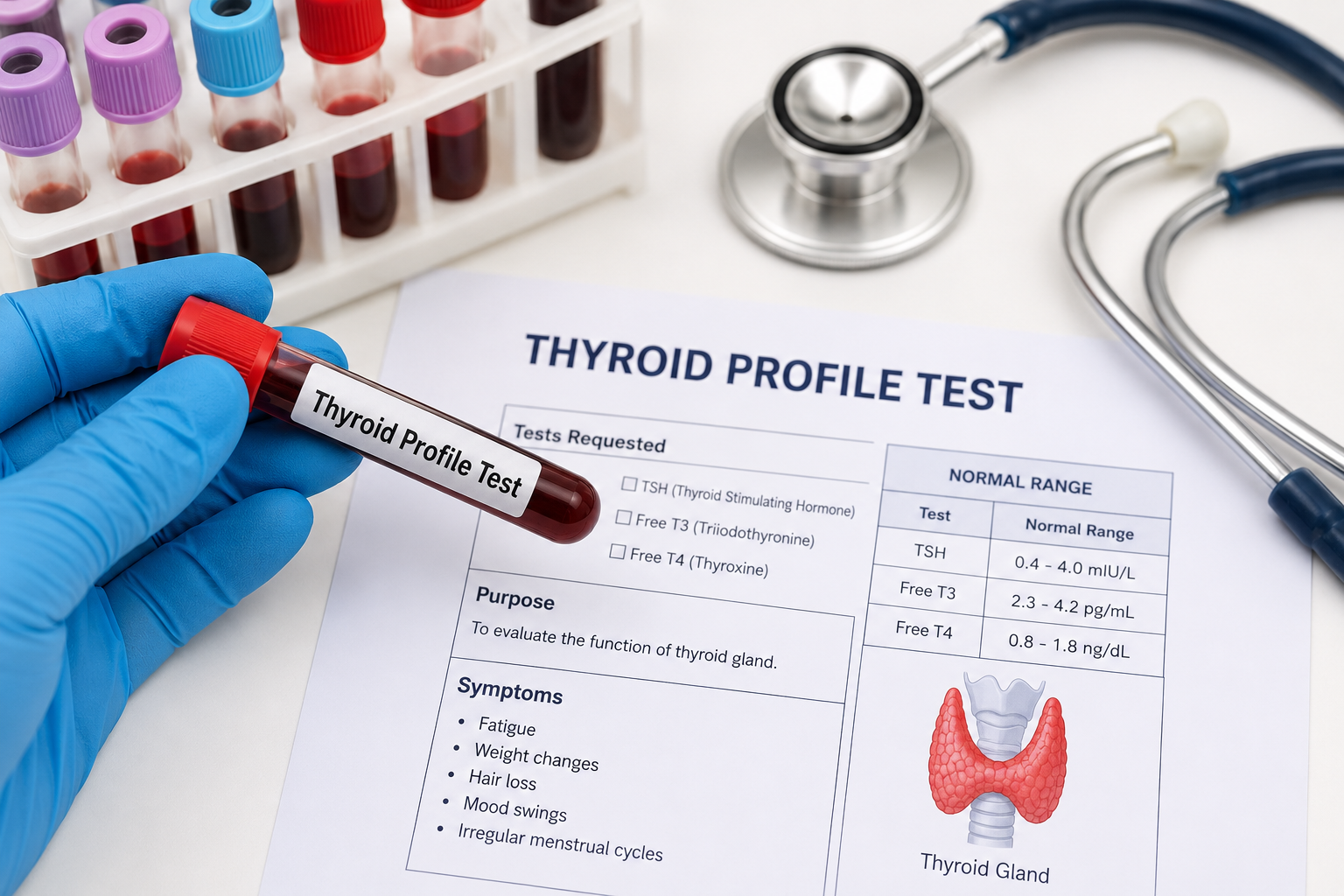
The Thyroid Profile Test is one of the most important diagnostic blood tests used to evaluate the functioning of the thyroid gland, a small butterfly-shaped gland located at the front of the neck. Although small in size, the thyroid gland plays a significant role in regulating many essential body functions, including metabolism, energy production, body temperature, heart rate, growth, and hormone balance. When the thyroid gland does not produce the right amount of hormones, it can lead to several health problems that may affect almost every organ in the body. Unfortunately, thyroid disorders often develop gradually, and many of their symptoms—such as fatigue, weight gain, hair loss, mood changes, or difficulty concentrating—can easily be mistaken for stress, aging, or other medical conditions. This makes a Thyroid Profile Test an essential tool for early diagnosis and effective treatment. The test measures important thyroid hormones, including Thyroid Stimulating Hormone (TSH), Triiodothyronine (T3), and Thyroxine (T4), providing healthcare professionals with valuable information about thyroid function. Whether you are experiencing symptoms of hypothyroidism or hyperthyroidism, have a family history of thyroid disease, are pregnant, or simply want to monitor your overall health, a Thyroid Profile Test can help identify hormonal imbalances before they lead to serious complications. Early diagnosis allows timely treatment, helping patients maintain normal body functions and improve their quality of life. In this comprehensive guide, you will learn everything about the Thyroid Profile Test, including what it measures, why it is important, the normal range of thyroid hormones, preparation guidelines, understanding your report, and maintaining optimal thyroid health. What is a Thyroid Profile Test? A Thyroid Profile Test is a laboratory blood test that evaluates the performance of your thyroid gland by measuring the levels of key thyroid hormones circulating in your bloodstream. The thyroid gland produces hormones that regulate metabolism, influence energy production, control body temperature, support brain development, regulate heart function, and affect the health of muscles, bones, and digestive organs. When the thyroid gland becomes overactive or underactive, hormone production becomes unbalanced, leading to conditions known as hyperthyroidism and hypothyroidism. A Thyroid Function Test, commonly referred to as a Thyroid Profile Test, helps doctors determine whether the thyroid gland is functioning normally or if further medical evaluation and treatment are required. Healthcare providers frequently recommend a Thyroid Blood Test for patients experiencing symptoms such as persistent fatigue, unexplained weight gain or weight loss, depression, anxiety, excessive sweating, constipation, irregular menstrual cycles, infertility, hair thinning, dry skin, muscle weakness, or swelling in the neck. Because thyroid disorders affect multiple body systems, their symptoms often resemble those of many other medical conditions, making laboratory testing essential for accurate diagnosis. A Thyroid Profile Test enables doctors to distinguish between different thyroid disorders and determine whether hormone levels are too high, too low, or within the normal range. The Thyroid Profile Test is also recommended as part of routine preventive healthcare for individuals with a family history of thyroid disease, autoimmune disorders, diabetes, or previous thyroid surgery. Pregnant women may require thyroid testing because thyroid hormones play a critical role in fetal brain development and healthy pregnancy outcomes. Patients already receiving thyroid medication also undergo periodic Thyroid Profile Test screening to monitor treatment effectiveness and ensure hormone levels remain balanced. The procedure itself is simple, requiring only a small blood sample collected from a vein in your arm. Laboratory analysis is performed using advanced diagnostic equipment, and reports are generally available within the same day or within 24 hours. Early detection through a Thyroid Profile Test allows doctors to begin treatment promptly, reducing the risk of complications and helping patients maintain healthy thyroid function throughout life. What Does a Thyroid Profile Test Measure? A Thyroid Profile Test measures several important hormones that work together to regulate your body’s metabolism, growth, energy production, and overall hormonal balance. Understanding each component of the test helps patients better interpret their results and appreciate the importance of maintaining healthy thyroid function. Rather than relying on a single hormone measurement, the Thyroid Profile Test evaluates multiple parameters to provide a complete picture of thyroid gland activity. The most important measurement in the Thyroid Profile Test is the TSH Test, or Thyroid Stimulating Hormone test. TSH is produced by the pituitary gland in the brain and acts as the primary regulator of thyroid hormone production. When thyroid hormone levels become too low, the pituitary gland releases more TSH to stimulate the thyroid gland. Conversely, when thyroid hormone levels are too high, TSH production decreases. Because of this relationship, the TSH Test is often considered the most sensitive indicator of thyroid dysfunction and is usually the first parameter doctors evaluate when reviewing a Thyroid Profile Test. The test also measures T3 (Triiodothyronine), the active thyroid hormone responsible for regulating metabolism and energy consumption throughout the body. T3 influences heart rate, digestion, muscle function, brain development, and body temperature. Although the thyroid gland produces some T3 directly, much of it is converted from T4 within body tissues. Abnormal T3 levels may indicate hyperthyroidism or other thyroid-related disorders. Measuring T3 provides additional information that helps doctors accurately diagnose specific thyroid conditions. Another essential component measured during the Thyroid Profile Test is T4 (Thyroxine), the primary hormone produced by the thyroid gland. T4 serves as a storage hormone that is converted into the more active T3 as needed by different tissues. It plays a critical role in regulating metabolism, supporting normal growth, maintaining body temperature, and ensuring proper organ function. Low T4 levels commonly occur in hypothyroidism, while elevated T4 levels are frequently associated with hyperthyroidism. Some laboratories may also include Free T3 and Free T4 measurements, which represent the biologically active portions of these hormones that are immediately available for use by body tissues. These values often provide more accurate information about thyroid function than total hormone levels, particularly in patients with certain medical conditions or those taking medications that influence protein binding. Together, the TSH Test, T3 Test, and T4 Test provide healthcare providers with a comprehensive assessment of
Lipid Profile Test: Normal Range, Purpose & Preparation
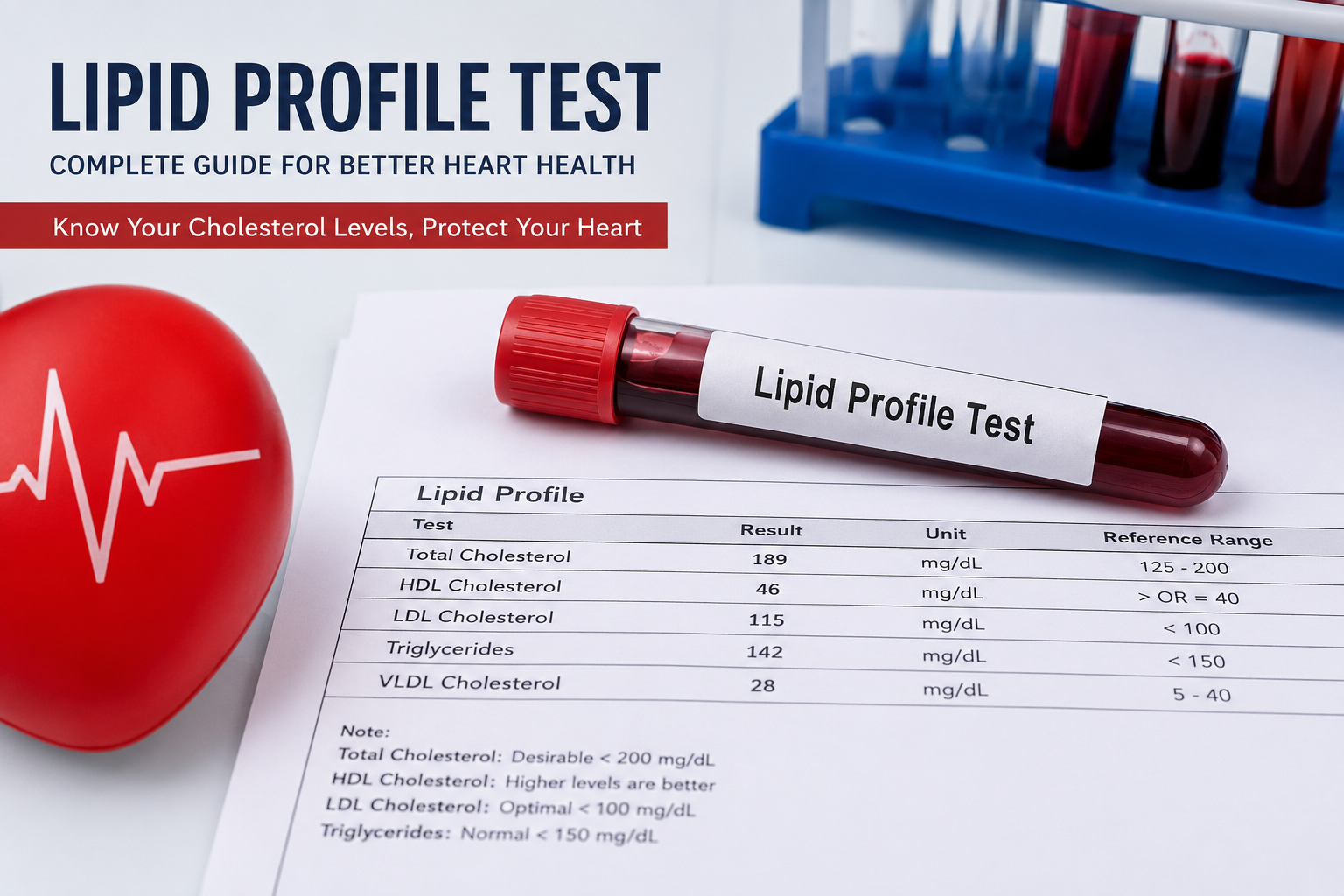
A Lipid Profile Test is one of the most important blood tests used to evaluate your heart health and determine your risk of developing cardiovascular diseases. As lifestyle-related health conditions such as high cholesterol, obesity, diabetes, and hypertension continue to rise, regular cholesterol screening has become an essential part of preventive healthcare. Many people have high cholesterol without experiencing any noticeable symptoms, making early detection crucial for preventing serious complications like heart attacks, strokes, and blocked arteries. A Lipid Profile Test measures different types of fats, known as lipids, in your blood, including total cholesterol, HDL cholesterol, LDL cholesterol, triglycerides, and VLDL cholesterol. These values help doctors understand how well your body processes fats and whether any imbalance could affect your cardiovascular system. Whether you are undergoing a routine health checkup, managing an existing medical condition, or simply taking proactive steps to protect your health, a Lipid Profile Test provides valuable information about your overall well-being. Understanding your cholesterol levels allows you to make informed decisions regarding your diet, exercise, medications, and lifestyle before small problems become serious health concerns. In this comprehensive guide, you will learn everything about the Lipid Profile Test, including what it measures, why it is important, the normal range of cholesterol levels, how to prepare for the test, how to understand your report, and ways to maintain healthy cholesterol levels for long-term heart health. What is a Lipid Profile Test? A Lipid Profile Test is a laboratory blood test designed to measure the amount of different fats circulating in your bloodstream. These fats, commonly referred to as lipids, play an essential role in maintaining normal body functions, including hormone production, energy storage, and cell development. However, when lipid levels become too high or too low, they can increase the risk of cardiovascular diseases and other health complications. A Lipid Profile Blood Test helps healthcare providers evaluate your cholesterol levels and assess your overall cardiovascular risk before symptoms develop. Since high cholesterol often develops silently without causing discomfort, many individuals remain unaware of their condition until it leads to serious medical emergencies. Regular cholesterol screening through a Lipid Profile Test allows doctors to detect abnormal lipid levels early and recommend appropriate treatment or lifestyle changes. The Lipid Profile Test is commonly recommended during annual health checkups, especially for adults above the age of 20, individuals with diabetes, hypertension, obesity, or a family history of heart disease. Doctors may also order this test for patients who smoke, have an inactive lifestyle, or are already taking cholesterol-lowering medications. By monitoring cholesterol levels regularly, physicians can evaluate how well treatment plans are working and adjust medications or dietary recommendations accordingly. The test is simple, minimally invasive, and usually requires only a small blood sample collected from a vein in your arm. Results are typically available within a few hours or by the next day, allowing healthcare providers to make timely decisions regarding your health. One of the greatest advantages of a Lipid Profile Test is that it serves as a preventive healthcare tool rather than simply diagnosing existing diseases. Instead of waiting until symptoms appear, this test identifies potential cardiovascular risks at an early stage when lifestyle modifications and medical interventions are most effective. Maintaining healthy cholesterol levels significantly lowers the chances of developing coronary artery disease, stroke, peripheral artery disease, and other circulatory disorders. Because heart disease remains one of the leading causes of death worldwide, healthcare experts recommend regular Cholesterol Blood Test screenings as part of routine preventive healthcare for adults. What Does a Lipid Profile Test Measure? A Lipid Profile Test provides a detailed analysis of various types of cholesterol and fats present in your blood. Each component plays a unique role in maintaining normal body functions, and understanding these values helps doctors accurately evaluate your cardiovascular health. Rather than measuring a single cholesterol level, the Lipid Profile Test examines several important lipid components together, offering a complete picture of your heart health. The first component measured is Total Cholesterol, which represents the combined amount of cholesterol present in your bloodstream. Cholesterol is a wax-like substance produced naturally by the liver and obtained through certain foods. Although cholesterol is necessary for hormone production, vitamin D synthesis, and cell membrane formation, excessive levels can accumulate within blood vessels, increasing the risk of cardiovascular disease. Maintaining a healthy total cholesterol level is one of the primary goals of preventive healthcare. Another important parameter is HDL Cholesterol, commonly known as “good cholesterol.” HDL cholesterol performs a protective role by transporting excess cholesterol away from arteries and back to the liver, where it is processed and removed from the body. Higher HDL levels are associated with a reduced risk of heart disease because they help prevent plaque buildup inside blood vessels. Regular physical activity, maintaining a healthy weight, and consuming healthy fats can contribute to increasing HDL cholesterol levels naturally. The Lipid Profile Test also measures LDL Cholesterol, widely referred to as “bad cholesterol.” Unlike HDL, LDL transports cholesterol to various tissues throughout the body. When LDL cholesterol becomes excessively high, cholesterol deposits begin accumulating on artery walls, gradually narrowing blood vessels and restricting blood flow. This condition, known as atherosclerosis, significantly increases the likelihood of heart attacks, strokes, and other cardiovascular complications. Managing LDL cholesterol through proper nutrition, exercise, and medications when necessary is essential for long-term heart health. Another critical measurement included in the Lipid Profile Blood Test is the Triglycerides Test. Triglycerides are a type of fat stored in the body and used as a source of energy between meals. Although they are necessary for normal metabolism, elevated triglyceride levels often result from excessive calorie intake, obesity, diabetes, excessive alcohol consumption, and lack of physical activity. High triglycerides combined with elevated LDL cholesterol and low HDL cholesterol substantially increase the risk of cardiovascular disease and metabolic syndrome. Doctors carefully evaluate triglyceride levels alongside cholesterol measurements to determine an individual’s overall cardiovascular risk. The final parameter often included is Very Low-Density Lipoprotein (VLDL) cholesterol. VLDL particles primarily
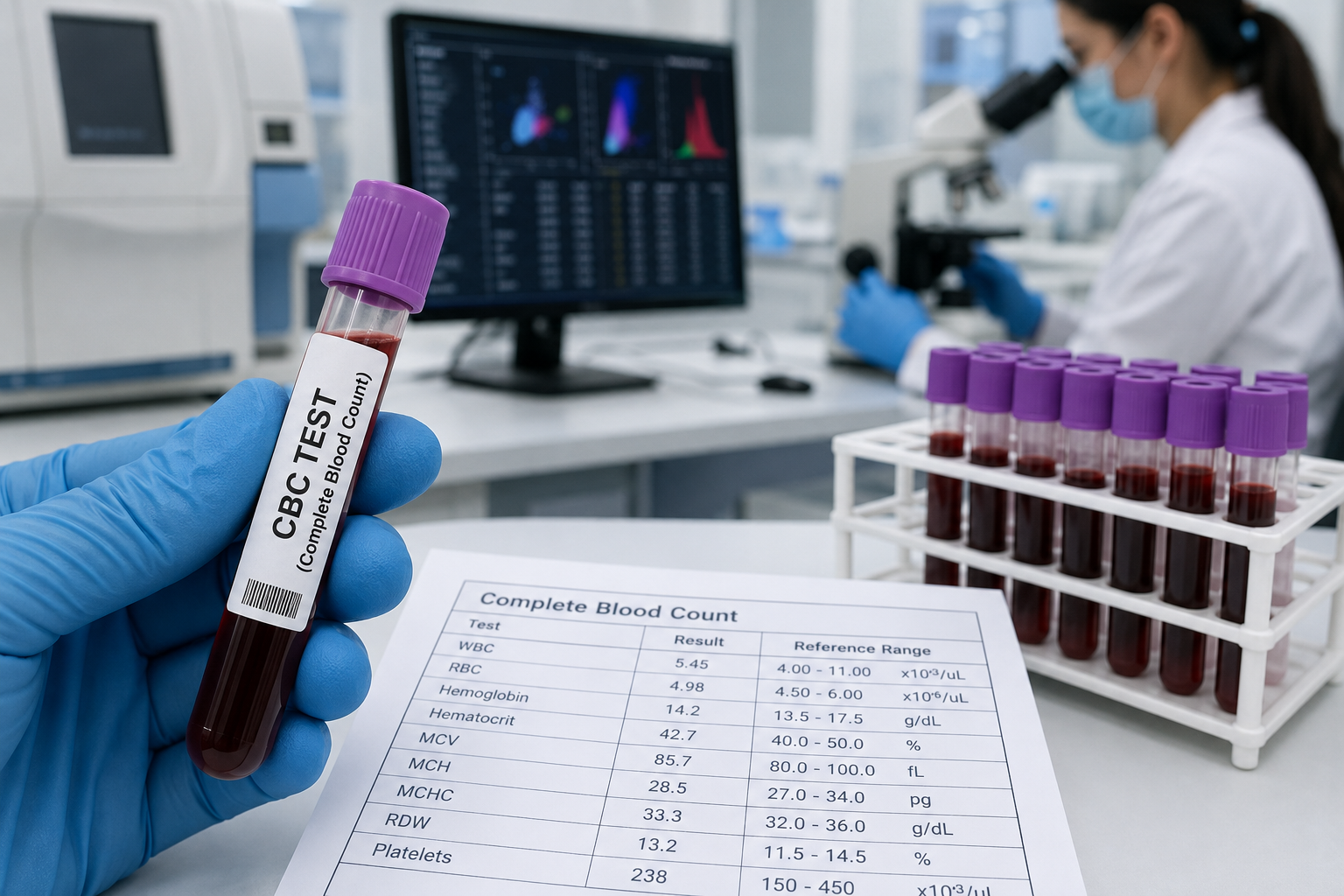
CBC Test Explained: What It Detects and Why It Matters | BN Diagnostic Centre
A CBC Test is one of the most commonly recommended blood tests by healthcare professionals because it provides valuable information about your overall health. Whether you are visiting a doctor for a routine health checkup, experiencing symptoms such as fatigue or fever, or monitoring an existing medical condition, a CBC Test is often the first laboratory investigation advised. This simple yet highly effective blood test can help detect a wide range of health conditions, including anemia, infections, inflammation, blood disorders, nutritional deficiencies, and even certain types of cancer. Modern healthcare focuses on early diagnosis and preventive care, and the CBC Test plays a vital role in achieving these goals. Many diseases do not show noticeable symptoms during their early stages. A routine blood examination can identify abnormal changes in blood cells before they become serious, allowing doctors to begin treatment at the right time. This is why the CBC Test is considered an essential part of preventive health screening and annual health checkup packages. A Complete Blood Count Test measures several important components of your blood, including Red Blood Cells (RBCs), White Blood Cells (WBCs), Hemoglobin, Hematocrit, Platelets, and various red blood cell indices. Each component provides specific information about how your body is functioning and whether there are signs of disease or abnormalities. Doctors use these values to evaluate your immune system, oxygen-carrying capacity, blood-clotting ability, and overall health. One of the biggest advantages of a CBC Test is that it is quick, safe, and requires only a small blood sample. The test usually takes just a few minutes, and results are often available on the same day. Since it does not require fasting in most cases, it is convenient for patients of all age groups. At BN Diagnostic Centre, a trusted Diagnostic Centre in Jaipur, we perform accurate CBC Blood Tests using advanced laboratory equipment and strict quality control standards. Our experienced pathology professionals ensure reliable reports that help doctors make informed medical decisions. Whether you need a routine blood test or a preventive health screening, our pathology laboratory is committed to delivering accurate and timely diagnostic services. In this comprehensive guide, you will learn everything about the CBC Test, including what it measures, why it is important, what diseases it can detect, how to prepare for the test, how to understand your CBC Test report, and why regular blood testing is essential for maintaining good health. What is a CBC Test? A CBC Test, also known as a Complete Blood Count Test, is a routine laboratory investigation that evaluates the different types of cells present in your blood. It is one of the most frequently ordered blood tests because it provides a comprehensive overview of your health and helps doctors diagnose a wide variety of medical conditions. Blood performs several essential functions in the human body. It transports oxygen and nutrients to tissues, removes waste products, fights infections, supports the immune system, and helps control bleeding through blood clotting. Any imbalance in the number or quality of blood cells may indicate an underlying health problem. A CBC Test measures these blood components and helps identify abnormalities before they lead to serious complications. Doctors commonly recommend a CBC Test during annual health checkups, routine medical examinations, pre-surgical evaluations, pregnancy care, and whenever symptoms such as weakness, fatigue, fever, unexplained weight loss, dizziness, or excessive bleeding occur. It is also used to monitor patients who are receiving treatment for infections, anemia, cancer, autoimmune diseases, or chronic medical conditions. A CBC Blood Test is simple and minimally invasive. A healthcare professional collects a small sample of blood from a vein in your arm using a sterile needle. The sample is then analyzed in a laboratory using automated hematology analyzers that provide accurate measurements of different blood cells. Most patients receive their results within a few hours or by the next day. The CBC Test is not designed to diagnose a specific disease on its own. Instead, it provides important clues that help doctors determine whether additional tests or medical evaluations are needed. Because it offers a broad assessment of overall health, it remains one of the most valuable diagnostic tools in modern medicine. What Does a CBC Test Measure? A CBC Test evaluates several important blood components, each of which plays a crucial role in maintaining your health. Understanding these parameters helps patients better understand their laboratory reports and why doctors recommend this test so frequently. Red Blood Cells (RBC) Red Blood Cells are responsible for carrying oxygen from the lungs to every tissue and organ in the body. They also transport carbon dioxide back to the lungs for removal. Healthy RBC levels are essential for maintaining energy, stamina, and normal organ function. Low RBC counts may indicate: Anemia Iron deficiency Vitamin B12 deficiency Blood loss Bone marrow disorders High RBC counts may occur due to: Dehydration Lung disease Smoking Certain bone marrow conditions Monitoring RBC levels through a CBC Test helps doctors identify conditions that affect oxygen delivery throughout the body. White Blood Cells (WBC) White Blood Cells are an important part of your immune system. Their primary function is to protect the body from bacteria, viruses, fungi, and other harmful microorganisms. High WBC counts may indicate: Bacterial infection Inflammation Stress response Leukemia Immune disorders Low WBC counts may result from: Viral infections Bone marrow disorders Autoimmune diseases Certain medications A CBC Blood Test allows doctors to determine whether your immune system is functioning properly and whether additional investigations are required. Hemoglobin (Hb) Hemoglobin is a protein found inside red blood cells that carries oxygen throughout the body. It is one of the most important values measured during a CBC Test because it helps diagnose anemia and evaluate overall blood health. Low hemoglobin levels may cause: Fatigue Weakness Dizziness Pale skin Shortness of breath High hemoglobin levels may be associated with dehydration, smoking, or chronic lung disease. Hematocrit (HCT) Hematocrit measures the percentage of blood that consists of red blood cells. This value helps doctors assess hydration levels