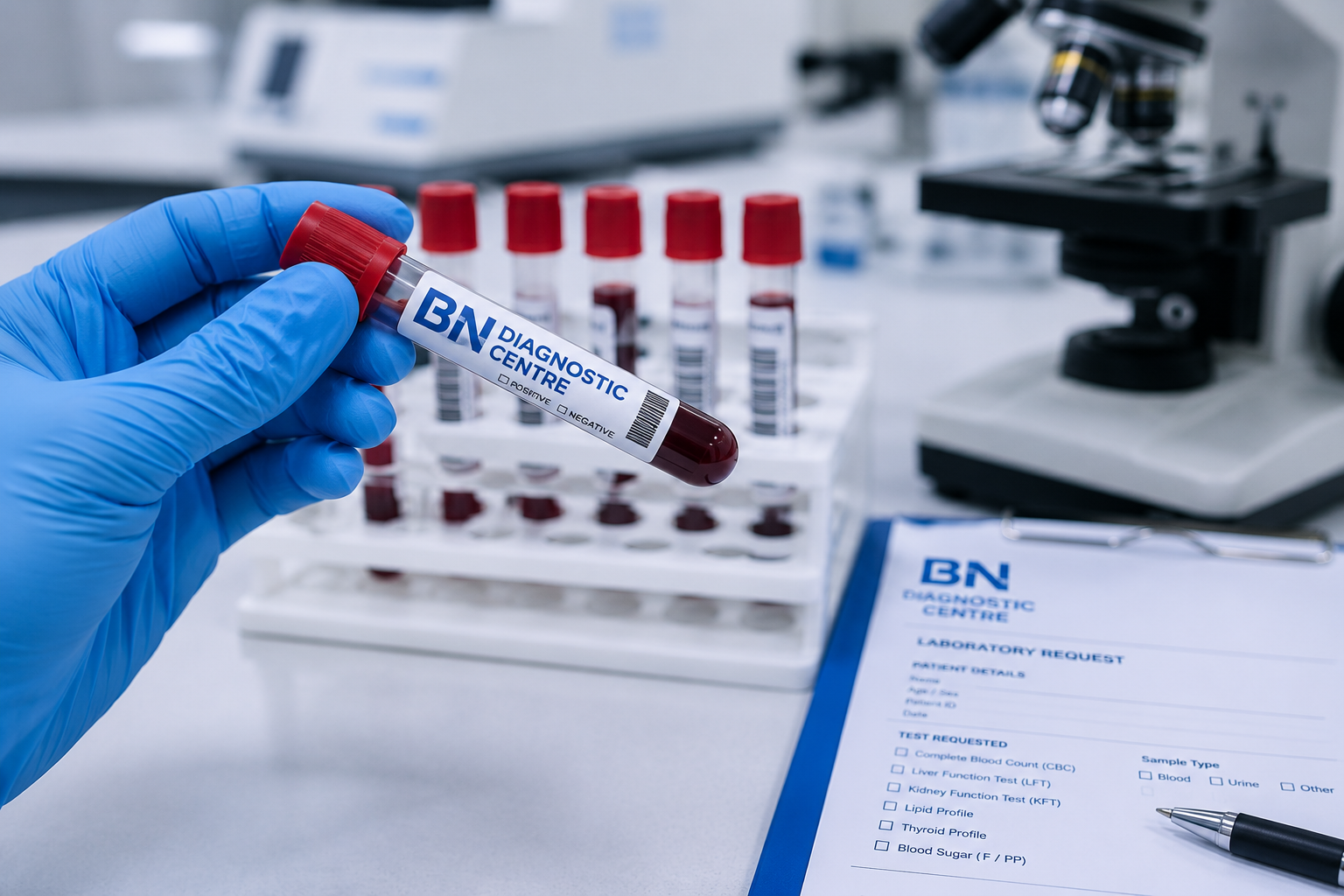
Top 10 Blood Tests You Should Get Annually
In today’s fast-paced world, maintaining good health has become more important than ever. Many serious health conditions, including diabetes, thyroid disorders, heart disease, liver problems, and kidney disease, often develop silently without showing noticeable symptoms in their early stages. This is why preventive healthcare plays a crucial role in helping individuals identify potential health concerns before they become severe.
One of the most effective ways to monitor your overall health is through regular blood testing. Annual blood tests provide valuable insights into how your body is functioning and help healthcare professionals detect abnormalities at an early stage. These tests can reveal important information about your blood sugar levels, cholesterol levels, liver function, kidney health, thyroid activity, vitamin deficiencies, and much more.
Routine blood testing is not only beneficial for individuals with existing medical conditions but also for healthy adults who want to take a proactive approach to their well-being. Early detection of health issues often leads to better treatment outcomes, reduced medical expenses, and improved quality of life. By identifying risk factors early, individuals can make necessary lifestyle changes and receive timely medical care to prevent complications in the future.
At BN Diagnostic Centre, a trusted Diagnostic Centre in Jaipur, we believe that preventive health screening is the foundation of long-term wellness. Our advanced laboratory facilities and experienced diagnostic professionals provide accurate, reliable, and timely test results to support informed healthcare decisions.
In this guide, we will discuss the Top 10 Blood Tests You Should Get Annually to monitor your health, detect diseases early, and maintain overall wellness. Whether you are looking for a routine blood test, a full body health checkup, or preventive health screening, understanding these essential tests can help you stay one step ahead of potential health concerns and achieve better long-term health outcomes.
What Are Annual Blood Tests?
Annual blood tests are routine laboratory investigations performed to evaluate your overall health and identify potential medical conditions before they become serious. These tests analyze different components of your blood and provide valuable information about the functioning of vital organs such as the heart, liver, kidneys, thyroid gland, and immune system.
Regular blood testing is one of the most effective preventive healthcare measures because many health conditions develop gradually and may not show obvious symptoms in their early stages. Through annual blood tests, healthcare professionals can detect abnormalities, monitor existing health conditions, and recommend appropriate treatment or lifestyle modifications when necessary.
Whether you are a healthy individual, someone with a family history of chronic diseases, or a patient managing an ongoing medical condition, annual blood tests play a crucial role in maintaining long-term health and well-being.
Understanding Routine Blood Tests
Routine blood tests are designed to assess various aspects of your health by measuring important biomarkers and blood components. These tests help healthcare providers evaluate your body’s overall functioning and identify any signs of disease, deficiency, infection, or organ dysfunction.
Common routine blood tests include:
- Complete Blood Count (CBC)
- Blood Sugar Test
- HbA1c Test
- Lipid Profile
- Thyroid Profile
- Liver Function Test (LFT)
- Kidney Function Test (RFT)
- Vitamin D Test
- Vitamin B12 Test
- Iron Profile Test
Each of these tests provides specific information about your health and helps doctors make informed decisions regarding diagnosis, treatment, and preventive care.
For example, a CBC Test helps evaluate blood cell health, while a Lipid Profile assesses cholesterol levels and heart disease risk. Similarly, Thyroid Profile Tests help identify thyroid disorders, and Blood Sugar Tests assist in diabetes detection and management.
Benefits of Annual Blood Testing
Regular blood testing offers numerous health benefits and helps individuals take a proactive approach to healthcare.
Early Disease Detection
Many conditions such as diabetes, thyroid disorders, anemia, liver disease, kidney disease, and high cholesterol can be detected early through routine blood tests. Early diagnosis often leads to more effective treatment and better health outcomes.
Better Treatment Outcomes
When health problems are identified at an early stage, treatment can begin sooner, reducing the risk of complications and improving recovery rates.
Monitoring Chronic Health Conditions
Individuals with conditions such as diabetes, thyroid disorders, hypertension, or cardiovascular disease can use annual blood tests to monitor their health and evaluate the effectiveness of their treatment plans.
Preventive Health Screening
Routine blood testing helps identify risk factors before symptoms appear. This allows individuals to make lifestyle changes, improve nutrition, increase physical activity, and take preventive measures to maintain good health.
Comprehensive Health Assessment
Annual blood tests provide a detailed overview of your body’s functioning, helping healthcare providers assess organ health, nutritional status, hormonal balance, and overall wellness.
Why Annual Blood Testing Matters
Preventive healthcare is not only about treating illnesses but also about preventing them. Annual blood testing empowers individuals to stay informed about their health status and make better healthcare decisions. Regular monitoring can help reduce the risk of serious diseases, improve quality of life, and support long-term wellness.
At BN Diagnostic Centre, a trusted Diagnostic Centre in Jaipur, we recommend routine blood tests as an essential part of preventive health screening. Our advanced laboratory technology and experienced diagnostic professionals ensure accurate results and reliable reporting, helping patients take control of their health with confidence.
Why Are Health Checkup Tests Important?
Health checkup tests play a vital role in maintaining overall well-being and preventing serious medical conditions. Many diseases develop gradually and often show little or no symptoms during their early stages. Routine health checkup tests help identify potential health concerns before they become severe, allowing timely medical intervention and better treatment outcomes.
Regular health screening is one of the most effective ways to monitor your body’s functioning and assess your risk of developing chronic diseases such as diabetes, heart disease, thyroid disorders, liver disease, kidney disease, and high cholesterol. These tests provide valuable information that helps doctors evaluate your health status and recommend appropriate preventive measures.
In today’s busy lifestyle, factors such as stress, unhealthy eating habits, lack of physical activity, pollution, and genetic predisposition can significantly impact overall health. Regular health checkup tests help individuals stay informed about their health and take proactive steps toward disease prevention and long-term wellness.
Detect Hidden Health Problems
One of the biggest advantages of routine health checkup tests is their ability to identify hidden health conditions before symptoms become noticeable.
Diabetes Detection
Blood Sugar Tests and HbA1c Tests can help detect diabetes and prediabetes at an early stage. Early diagnosis allows individuals to make lifestyle changes and receive treatment before serious complications develop.
Thyroid Disorders
Thyroid Profile Tests help identify hormonal imbalances that may affect metabolism, energy levels, weight management, and overall health.
High Cholesterol Levels
Lipid Profile Tests measure cholesterol and triglyceride levels, helping assess the risk of heart disease and stroke.
Liver and Kidney Health
Liver Function Tests (LFT) and Kidney Function Tests (RFT) provide important insights into organ health and help detect potential liver or kidney disorders.
Nutritional Deficiencies
Vitamin D, Vitamin B12, and Iron Profile Tests help identify deficiencies that may cause fatigue, weakness, low immunity, and other health concerns.
Improve Long-Term Health Management
Regular health checkup tests are not only useful for disease detection but also for monitoring overall health over time.
Track Health Trends
Annual testing allows healthcare professionals to compare current results with previous reports and identify changes in health conditions before they become serious.
Support Preventive Healthcare
Health screening helps individuals adopt healthier lifestyles, improve dietary habits, maintain ideal body weight, and reduce the risk of chronic diseases.
Better Management of Existing Conditions
Patients with diabetes, thyroid disorders, heart disease, hypertension, or kidney problems can use routine blood tests to monitor treatment effectiveness and make necessary adjustments under medical supervision.
Reduce Healthcare Costs
Early diagnosis and preventive care often reduce the need for expensive treatments, hospitalizations, and emergency medical interventions in the future.
The Importance of Preventive Health Screening
Preventive health screening is an investment in your future well-being. By identifying risk factors and health concerns early, individuals can take proactive measures to maintain good health and avoid complications later in life.
At BN Diagnostic Centre, a trusted Diagnostic Centre in Jaipur, we encourage individuals of all ages to undergo routine health checkup tests as part of a preventive healthcare strategy. Our advanced diagnostic technology, experienced laboratory professionals, and commitment to accuracy ensure reliable results that help patients make informed healthcare decisions.
Regular health checkup tests are not just about detecting illness—they are about maintaining a healthier, happier, and more active life for years to come.
1. Complete Blood Count (CBC Test)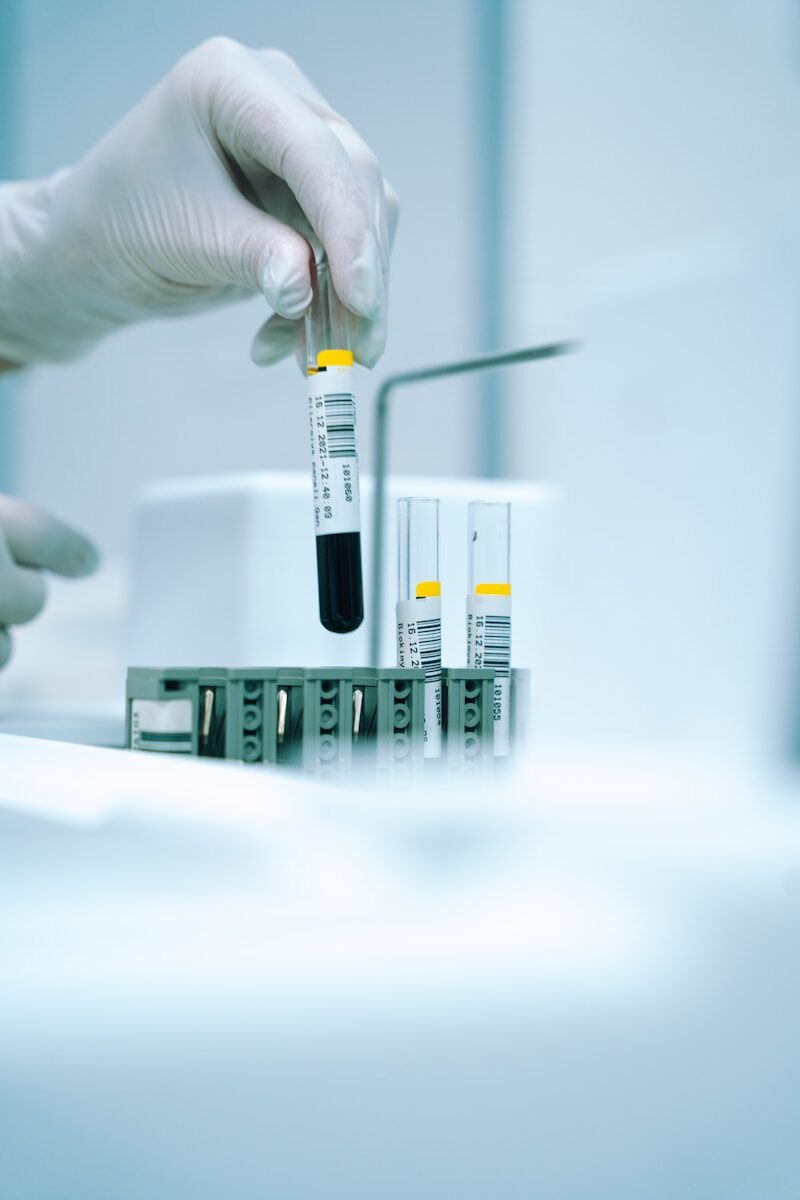
What Is a CBC Test?
A Complete Blood Count (CBC) Test is one of the most commonly recommended blood tests and is often considered the foundation of routine health screening. This test measures different components of your blood, including red blood cells, white blood cells, hemoglobin, hematocrit, and platelets. The results provide valuable information about your overall health and help detect a variety of medical conditions.
Since blood plays a crucial role in transporting oxygen, fighting infections, and maintaining overall body function, analyzing its components can reveal important insights into your health status. A CBC Test is frequently included in annual health checkups because it helps identify abnormalities before symptoms become severe.
Healthcare providers often recommend a CBC Test as part of preventive health screening, routine medical examinations, pre-surgical evaluations, and ongoing disease monitoring.
What Does a CBC Test Measure?
Red Blood Cells (RBC)
Red blood cells are responsible for carrying oxygen from the lungs to different parts of the body. Abnormal RBC levels may indicate anemia, nutritional deficiencies, or other underlying health conditions.
White Blood Cells (WBC)
White blood cells are an important part of the immune system and help the body fight infections and diseases. Elevated or decreased WBC counts may indicate infections, inflammation, immune disorders, or other medical conditions.
Hemoglobin (Hb)
Hemoglobin is a protein found in red blood cells that carries oxygen throughout the body. Low hemoglobin levels can indicate anemia and reduced oxygen-carrying capacity.
Hematocrit (HCT)
Hematocrit measures the proportion of red blood cells in the blood. It helps evaluate hydration levels and detect blood-related disorders.
Platelets
Platelets play a vital role in blood clotting and wound healing. Abnormal platelet counts may increase the risk of bleeding or clotting disorders.
Benefits of a CBC Test
Detects Anemia
A CBC Test helps identify different types of anemia caused by iron deficiency, vitamin deficiencies, chronic diseases, or blood loss.
Identifies Infections
Changes in white blood cell counts can indicate bacterial, viral, or fungal infections, helping doctors diagnose and monitor illnesses.
Evaluates Overall Health
A CBC Test provides a comprehensive overview of blood health and helps assess general wellness during routine health checkups.
Supports Early Disease Detection
Many blood disorders and medical conditions can be identified early through CBC testing, allowing timely diagnosis and treatment.
Monitors Existing Health Conditions
Patients undergoing treatment for infections, anemia, immune disorders, or chronic diseases often require regular CBC testing to monitor their progress.
Who Should Get a CBC Test?
A CBC Test is recommended for:
- Adults undergoing annual health checkups
- Individuals experiencing fatigue or weakness
- Patients with frequent infections
- People with unexplained weight loss
- Individuals with symptoms of anemia
- Patients with chronic medical conditions
- Individuals undergoing preventive health screening
Why Is CBC Testing Important?
Many health conditions can develop silently without obvious symptoms. A CBC Test provides valuable information about your blood health and can help detect potential issues before they become serious. Regular CBC testing allows healthcare providers to monitor your health, identify abnormalities early, and recommend appropriate treatment when necessary.
At BN Diagnostic Centre, a trusted Diagnostic Centre in Jaipur, CBC testing is performed using advanced laboratory technology to ensure accurate and reliable results. Our experienced diagnostic professionals are committed to supporting preventive healthcare through comprehensive health checkup tests and timely reporting.
Key Takeaway
A Complete Blood Count (CBC) Test is one of the most important annual blood tests because it provides a detailed assessment of your blood health, helps detect infections and anemia, and supports early disease diagnosis. Including a CBC Test in your annual health screening can play a significant role in maintaining long-term health and overall well-being.
2. Blood Sugar Test
What Is a Blood Sugar Test?
A Blood Sugar Test measures the amount of glucose (sugar) present in your blood. Glucose is the body’s primary source of energy and plays a crucial role in maintaining normal bodily functions. However, when blood sugar levels become too high or too low, it can lead to serious health complications.
Blood Sugar Testing is one of the most important health checkup tests because it helps detect diabetes, prediabetes, and other metabolic disorders at an early stage. With the increasing prevalence of diabetes worldwide, regular blood sugar monitoring has become an essential part of preventive healthcare.
Many individuals may have abnormal blood sugar levels without experiencing noticeable symptoms. Routine blood sugar testing allows healthcare professionals to identify potential issues before they develop into serious health problems.
Types of Blood Sugar Tests
Fasting Blood Sugar (FBS)
The Fasting Blood Sugar Test measures blood glucose levels after fasting for at least 8–10 hours.
Purpose:
- Detects diabetes and prediabetes
- Evaluates fasting glucose levels
- Assesses overall glucose metabolism
Random Blood Sugar (RBS)
The Random Blood Sugar Test measures blood sugar levels at any time of the day, regardless of meals.
Purpose:
- Quick diabetes screening
- Monitors blood sugar fluctuations
- Assesses immediate glucose levels
Post-Prandial Blood Sugar (PP)
The Post-Prandial Blood Sugar Test measures blood glucose levels approximately two hours after a meal.
Purpose:
- Evaluates how the body processes sugar after eating
- Monitors diabetes management
- Assesses insulin effectiveness
Why Is Blood Sugar Testing Important?
Early Detection of Diabetes
Regular blood sugar testing helps identify diabetes and prediabetes before serious complications develop. Early diagnosis allows patients to make lifestyle changes and begin treatment promptly.
Prevents Serious Health Complications
Uncontrolled blood sugar levels can increase the risk of:
- Heart disease
- Stroke
- Kidney disease
- Vision problems
- Nerve damage
Routine testing helps reduce these risks through early intervention.
Supports Diabetes Management
For individuals already diagnosed with diabetes, regular blood sugar monitoring helps evaluate treatment effectiveness and maintain healthy glucose levels.
Promotes Better Lifestyle Choices
Blood sugar test results encourage individuals to adopt healthier eating habits, maintain a healthy weight, and engage in regular physical activity.
Common Symptoms of High Blood Sugar
You should consider a blood sugar test if you experience:
- Frequent thirst
- Increased urination
- Unexplained weight loss
- Fatigue and weakness
- Blurred vision
- Slow wound healing
- Frequent infections
Even if these symptoms are not present, annual testing is recommended as part of preventive health screening.
Who Should Get a Blood Sugar Test?
Blood Sugar Testing is especially important for:
- Adults over 30 years of age
- Individuals with a family history of diabetes
- Overweight or obese individuals
- People with high blood pressure
- Individuals with a sedentary lifestyle
- Patients with existing metabolic disorders
- Anyone undergoing an annual full body health checkup
Benefits of Annual Blood Sugar Testing
Detects Prediabetes Early
Prediabetes often develops without symptoms. Early identification can help prevent progression to Type 2 Diabetes.
Helps Monitor Overall Health
Blood sugar levels provide valuable information about metabolic health and overall wellness.
Supports Preventive Health Screening
Routine blood sugar testing is a key component of comprehensive preventive healthcare programs.
Encourages Better Disease Management
Patients diagnosed with diabetes can use regular testing to improve treatment outcomes and reduce complications.
Why Choose BN Diagnostic Centre for Blood Sugar Testing?
At BN Diagnostic Centre, a trusted Diagnostic Centre in Jaipur, we provide accurate Blood Sugar Testing using advanced diagnostic technology and strict quality standards. Our experienced laboratory professionals ensure reliable reporting and timely results to support effective diabetes screening and management.
Whether you need a Fasting Blood Sugar Test, Random Blood Sugar Test, Post-Prandial Sugar Test, or a complete health checkup, our team is committed to delivering dependable diagnostic services for better health outcomes.
Key Takeaway
A Blood Sugar Test is one of the most important annual blood tests because it helps detect diabetes, monitor glucose levels, and prevent serious health complications. Regular testing, combined with a healthy lifestyle, can significantly improve long-term health and overall well-being.
3. HbA1c Test
What Is an HbA1c Test?
The HbA1c Test measures your average blood sugar levels over the past 2–3 months. Unlike a regular blood sugar test, it provides a long-term view of glucose control and is widely used for diagnosing and monitoring diabetes.
Benefits of HbA1c Testing
- Helps diagnose diabetes and prediabetes
- Monitors long-term blood sugar control
- Evaluates the effectiveness of diabetes treatment
- Reduces the risk of diabetes-related complications
- Supports better diabetes management
Who Should Get an HbA1c Test?
- Individuals with diabetes
- People with a family history of diabetes
- Overweight or obese individuals
- Adults above 30 years of age
- Anyone undergoing preventive health screening
Why Is It Important?
Regular HbA1c testing helps detect blood sugar abnormalities early and provides valuable insights into overall metabolic health. It is one of the most important tests for individuals at risk of diabetes.
At BN Diagnostic Centre, a trusted Diagnostic Centre in Jaipur, we provide accurate HbA1c testing with reliable reporting to support effective diabetes monitoring and preventive healthcare.
4. Lipid Profile Test
What Is a Lipid Profile Test?
A Lipid Profile Test measures cholesterol and triglyceride levels in your blood. It helps assess your risk of heart disease and other cardiovascular conditions.
Benefits of Lipid Profile Testing
- Monitors cholesterol levels
- Assesses heart health
- Detects cardiovascular risk factors
- Helps prevent heart disease and stroke
- Supports healthy lifestyle management
Why Is It Important?
High cholesterol often has no symptoms, making regular testing essential for early detection and prevention of heart-related complications.
At BN Diagnostic Centre, a trusted Diagnostic Centre in Jaipur, we offer accurate Lipid Profile Testing to help you maintain better heart health and overall wellness.
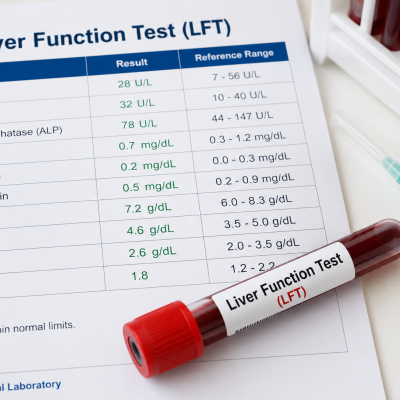
5. Liver Function Test (LFT)
What Is a Liver Function Test (LFT)?
A Liver Function Test (LFT) evaluates the health and functioning of your liver by measuring important enzymes and proteins in the blood. It is one of the Top 10 Blood Tests You Should Get Annually to monitor overall health and detect liver-related conditions early.
Benefits of LFT
- Detects liver disorders
- Monitors liver health
- Evaluates medication effects
- Supports early disease detection
Why Is It Important?
Regular LFT testing helps identify liver-related problems before symptoms appear and supports timely treatment.
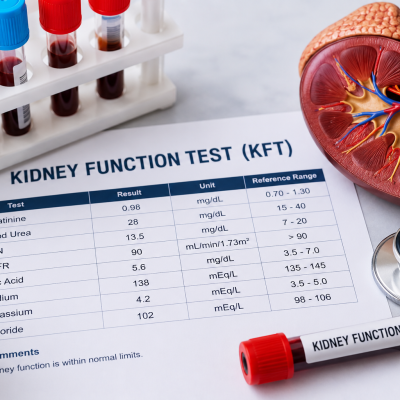
6. Kidney Function Test (RFT)
What Is a Kidney Function Test (RFT)?
A Renal Function Test (RFT) measures how well your kidneys are filtering waste and maintaining fluid balance. It is among the Top 10 Blood Tests You Should Get Annually for preventive healthcare and organ health monitoring.
Benefits of RFT
- Assesses kidney health
- Detects kidney disease early
- Monitors chronic kidney conditions
- Supports preventive healthcare
Why Is It Important?
Kidney diseases often develop silently, making routine testing essential for early diagnosis.
7. Thyroid Profile Test
What Is a Thyroid Profile Test?
A Thyroid Profile measures thyroid hormone levels (T3, T4, and TSH) to assess thyroid gland function. It is one of the Top 10 Blood Tests You Should Get Annually because thyroid health affects metabolism, energy levels, and overall wellness.
Benefits of Thyroid Testing
- Detects thyroid disorders
- Monitors hormonal balance
- Supports metabolism regulation
- Helps manage weight-related issues
Why Is It Important?
Thyroid disorders can affect energy levels, metabolism, and overall health if left untreated.
8. Vitamin D Test
What Is a Vitamin D Test?
This test measures Vitamin D levels in the body, which are essential for bone strength and immune function. It is included in the Top 10 Blood Tests You Should Get Annually to identify deficiencies and maintain optimal health.
Benefits of Vitamin D Testing
- Supports bone health
- Strengthens immunity
- Detects vitamin deficiencies
- Helps prevent fatigue and weakness
Why Is It Important?
Vitamin D deficiency is common and can negatively impact overall health and well-being.
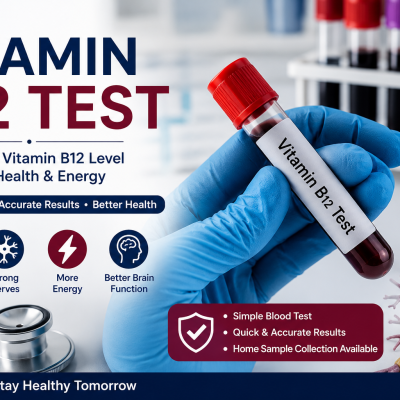
9. Vitamin B12 Test
What Is a Vitamin B12 Test?
Vitamin B12 testing measures the level of Vitamin B12 required for healthy nerves and blood cells. It is one of the Top 10 Blood Tests You Should Get Annually to support energy production and neurological health.
Benefits of Vitamin B12 Testing
- Detects vitamin deficiency
- Supports nerve health
- Improves energy levels
- Helps prevent anemia
Why Is It Important?
Low Vitamin B12 levels can cause fatigue, weakness, memory issues, and neurological problems.
10. Iron Profile Test
What Is an Iron Profile Test?
An Iron Profile measures iron levels in the blood and helps assess the body’s iron stores. It is one of the Top 10 Blood Tests You Should Get Annually to detect iron deficiency and support healthy blood production.
Benefits of Iron Testing
- Detects iron deficiency
- Helps diagnose anemia
- Monitors nutritional health
- Supports healthy blood production
Why Is It Important?
Iron deficiency is a common cause of fatigue and weakness, making routine testing important for overall health.
Conclusion
Understanding the Top 10 Blood Tests You Should Get Annually is essential for maintaining good health and preventing serious medical conditions. Tests such as CBC, Blood Sugar, HbA1c, Lipid Profile, Liver Function Test, Kidney Function Test, Thyroid Profile, Vitamin D, Vitamin B12, and Iron Profile provide valuable insights into your body’s overall functioning and help detect diseases at an early stage.
By including these Top 10 Blood Tests You Should Get Annually in your preventive health routine, you can monitor important health indicators, identify risk factors, and take timely action before health issues become severe. Regular testing supports early diagnosis, better treatment outcomes, and long-term wellness.
At BN Diagnostic Centre, a trusted Diagnostic Centre in Jaipur, we offer comprehensive pathology testing, preventive health screening, and advanced laboratory diagnostics using modern technology and strict quality standards. Our experienced professionals are committed to delivering accurate results and reliable healthcare support for every patient.
Final Thoughts
Scheduling the Top 10 Blood Tests You Should Get Annually is one of the smartest investments you can make in your health. Regular blood testing empowers you to take a proactive approach toward disease prevention, monitor chronic conditions, and maintain overall well-being.
If you are planning your next annual health screening, choose BN Diagnostic Centre, a leading Diagnostic Centre in Jaipur, for accurate testing, dependable reporting, and professional healthcare support.
Frequently Asked Questions (FAQs)
1. How often should I get blood tests done?
Most adults should undergo routine blood testing once a year. The Top 10 Blood Tests You Should Get Annually help monitor overall health and support preventive healthcare.
2. Which blood test is most important?
A Complete Blood Count (CBC) is one of the most important tests among the Top 10 Blood Tests You Should Get Annually because it provides a broad overview of your health.
3. Can blood tests detect diseases early?
Yes. The Top 10 Blood Tests You Should Get Annually can help identify diabetes, thyroid disorders, anemia, infections, vitamin deficiencies, and many other health conditions at an early stage.
4. Is fasting required for all blood tests?
No. Some tests included in the Top 10 Blood Tests You Should Get Annually require fasting, while others do not. Your healthcare provider will guide you accordingly.
5. Where can I get reliable blood testing in Jaipur?
You can visit BN Diagnostic Centre, a trusted Diagnostic Centre in Jaipur, for accurate pathology testing, preventive health screening, and the Top 10 Blood Tests You Should Get Annually.
Note: The Research has been Done in collaboration by Bwd Institute, brandingwithdeepak, howiki, 50news, moviesdekho.