The Kidney Function Test is one of the most important diagnostic blood tests used to evaluate the health and performance of your kidneys. The kidneys are two bean-shaped organs located on either side of the spine just below the rib cage, and they perform several essential functions that keep the body healthy. Every day, the kidneys filter approximately 180 liters of blood, removing waste products, excess fluids, and toxins while maintaining the right balance of water, electrolytes, minerals, and blood pressure. They also help produce hormones that support red blood cell production, regulate blood pressure, and maintain strong bones by activating vitamin D. Because the kidneys work continuously to keep the body functioning properly, even a slight decline in kidney function can affect overall health. Unfortunately, many kidney diseases develop gradually and may not produce noticeable symptoms until significant damage has already occurred. Conditions such as chronic kidney disease, diabetic kidney disease, hypertension-related kidney damage, kidney stones, and urinary tract disorders often progress silently, making early detection extremely important. A Kidney Function Test helps healthcare providers identify kidney problems before symptoms become severe or permanent damage develops. The test measures important waste products and filtration markers in the blood, allowing doctors to evaluate how efficiently the kidneys are filtering blood and removing waste. Healthcare professionals commonly recommend a KFT Test for individuals with diabetes, high blood pressure, obesity, kidney disease symptoms, or a family history of kidney disorders. It is also routinely included in preventive health checkups and before certain medical procedures or surgeries. Early diagnosis through a Kidney Function Test allows timely treatment, healthier lifestyle changes, and proper disease management, reducing the risk of kidney failure and improving long-term health. In this comprehensive guide, you will learn everything about the Kidney Function Test, including what it measures, why it is important, normal reference ranges, preparation guidelines, report interpretation, and practical tips for maintaining healthy kidneys.
What is a Kidney Function Test?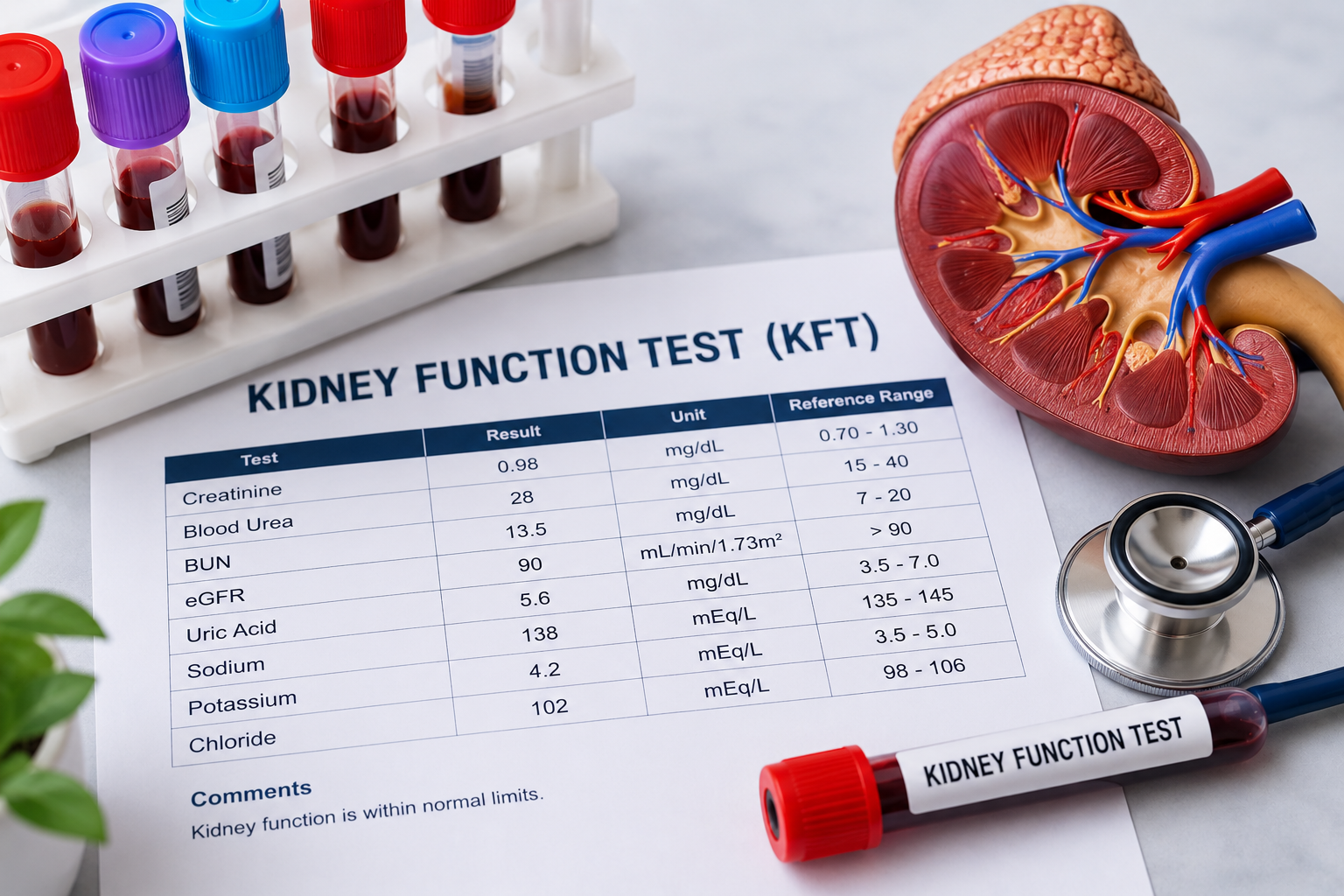
A Kidney Function Test is a group of laboratory blood tests that evaluate how well your kidneys are filtering blood, removing waste products, balancing fluids, and maintaining essential minerals within the body. Rather than being a single investigation, the KFT Test includes several important laboratory measurements that collectively provide a comprehensive assessment of kidney health. Healthy kidneys continuously remove metabolic waste, excess salts, toxins, and fluids through urine while maintaining the correct balance of sodium, potassium, calcium, phosphorus, and other electrolytes. When kidney function begins to decline, these waste products accumulate in the bloodstream, and electrolyte balance becomes disturbed. A Kidney Blood Test allows healthcare providers to detect these abnormalities early, often before noticeable symptoms appear.
Doctors commonly recommend a Kidney Function Test for individuals experiencing swelling in the feet or ankles, changes in urination, blood in the urine, persistent fatigue, nausea, high blood pressure, or unexplained weakness. Patients diagnosed with diabetes or hypertension require regular Kidney Function Test monitoring because these two conditions are among the leading causes of chronic kidney disease worldwide. Individuals with kidney stones, urinary tract disorders, autoimmune diseases, recurrent urinary infections, or a family history of kidney disease also benefit from routine kidney screening. The Renal Function Test, another commonly used name for the Kidney Function Test, helps doctors diagnose kidney disease, monitor treatment progress, evaluate medication safety, and assess kidney function before surgery or imaging procedures involving contrast dye.
The Kidney Function Test is also an essential component of routine preventive healthcare because chronic kidney disease often develops silently and may remain undetected until kidney function has significantly declined. Early detection enables healthcare providers to recommend lifestyle modifications, medications, dietary changes, or further investigations before irreversible kidney damage occurs. The procedure itself is simple, requiring only a small blood sample collected from a vein in your arm. Advanced laboratory analyzers measure various kidney function markers with high accuracy, and reports are generally available within the same day or within 24 hours. Early diagnosis through a Kidney Function Test supports better long-term kidney health and helps prevent complications such as kidney failure, cardiovascular disease, and electrolyte imbalance.
What Does a Kidney Function Test Measure?
A Kidney Function Test measures several important substances in your blood that help healthcare providers determine how efficiently your kidneys are filtering waste products and maintaining the body’s internal balance. Each parameter provides different information about kidney function, and doctors evaluate all values together rather than relying on a single result.
Creatinine Test
One of the most important components of a Kidney Function Test is the Creatinine Test. Creatinine is a waste product produced naturally during normal muscle activity. Healthy kidneys remove creatinine from the bloodstream and eliminate it through urine. When kidney function declines, creatinine accumulates in the blood, causing elevated levels. A high creatinine level often indicates reduced kidney filtration and is one of the earliest laboratory signs of kidney dysfunction. However, creatinine values may also be influenced by age, gender, muscle mass, hydration status, and certain medications. Doctors therefore interpret the Creatinine Test alongside other kidney function parameters before making a diagnosis. Monitoring creatinine levels regularly is especially important for individuals with diabetes, hypertension, chronic kidney disease, or those taking medications that may affect kidney function.
Blood Urea Test
The Blood Urea Test measures the amount of urea present in the bloodstream. Urea is produced when the body breaks down proteins during normal metabolism. Healthy kidneys filter urea from the blood and remove it through urine. Elevated blood urea levels may indicate reduced kidney function, dehydration, excessive protein intake, gastrointestinal bleeding, or other medical conditions affecting kidney filtration. Low urea levels are less common but may occur in severe liver disease or poor nutritional status. The Blood Urea Test provides valuable information when interpreted together with creatinine and other kidney markers.
Blood Urea Nitrogen (BUN)
Another important measurement included in many Kidney Function Test panels is Blood Urea Nitrogen (BUN). BUN specifically measures the nitrogen component of urea circulating in the blood. Since urea is normally filtered by healthy kidneys, elevated BUN values often suggest impaired kidney function. However, BUN may also increase due to dehydration, heart failure, high-protein diets, or gastrointestinal bleeding. Doctors therefore evaluate Blood Urea Nitrogen together with creatinine and clinical findings to determine the underlying cause of abnormal results.
eGFR Test
The Estimated Glomerular Filtration Rate (eGFR Test) is one of the most important indicators of kidney function because it estimates how efficiently the kidneys filter blood every minute. Rather than being measured directly, eGFR is calculated using creatinine levels, age, gender, and sometimes ethnicity. Healthy kidneys usually maintain an eGFR above 90 mL/min/1.73 m², while progressively lower values may indicate different stages of chronic kidney disease. The eGFR Test helps doctors classify kidney disease severity, monitor disease progression, and determine appropriate treatment strategies. Because eGFR reflects overall kidney filtration capacity, it has become one of the most valuable measurements included in a Kidney Function Test.
Uric Acid Test
The Uric Acid Test measures the concentration of uric acid in the bloodstream. Uric acid is produced during the breakdown of purines, substances naturally found in many foods and body tissues. Healthy kidneys remove excess uric acid through urine. Elevated uric acid levels may increase the risk of gout, kidney stones, or reduced kidney function. Monitoring uric acid is particularly important for patients with recurrent kidney stones, gout, or chronic kidney disease because persistently high levels may contribute to additional kidney damage.
Electrolytes
Many Kidney Function Test panels also include important electrolytes such as sodium, potassium, and chloride, which help regulate fluid balance, nerve function, muscle contraction, and heart rhythm. Healthy kidneys carefully maintain the correct concentration of these electrolytes. Kidney disease may disrupt this balance, leading to dangerously high or low electrolyte levels that affect multiple body systems. Measuring electrolytes provides healthcare providers with additional information about kidney performance and overall metabolic health.
Together, the Creatinine Test, Blood Urea Test, Blood Urea Nitrogen, eGFR Test, Uric Acid Test, and electrolyte measurements provide a comprehensive assessment of kidney function. Rather than relying on a single value, healthcare providers interpret the entire Kidney Function Test profile together with your symptoms, medical history, medications, blood pressure, diabetes status, and other investigations to accurately evaluate kidney health.
Kidney Function Test Normal Range
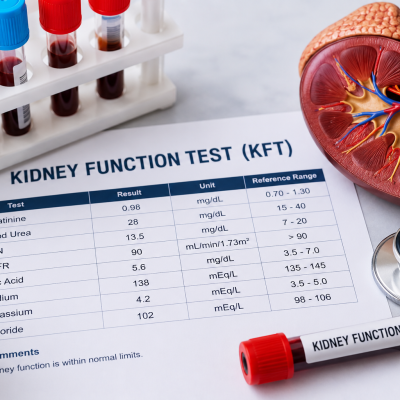
Understanding the Kidney Function Test Normal Range is essential because it helps determine whether your kidneys are filtering blood effectively or whether additional medical evaluation is needed. Although reference values may vary slightly between laboratories, most follow internationally accepted standards. Serum Creatinine levels generally range between 0.7 and 1.3 mg/dL in adult men and 0.6 to 1.1 mg/dL in adult women, although these values may vary depending on muscle mass and age. Blood Urea typically falls between 15 and 40 mg/dL, while Blood Urea Nitrogen (BUN) generally ranges from 7 to 20 mg/dL. The eGFR Test usually reports values above 90 mL/min/1.73 m² for healthy kidney function, with lower values indicating varying stages of chronic kidney disease. Uric Acid levels generally range from 3.5 to 7.2 mg/dL in men and 2.6 to 6.0 mg/dL in women. Electrolyte values such as sodium, potassium, and chloride also fall within established laboratory reference ranges that support normal body function. It is important to remember that a single abnormal result does not always indicate kidney disease. Doctors interpret every Kidney Function Test together with your symptoms, age, medical history, blood pressure, diabetes status, medications, hydration level, and urine test findings before making a diagnosis. Some temporary illnesses, dehydration, intense exercise, or medications may temporarily influence kidney function markers without indicating permanent disease. Patients with chronic kidney disease often undergo regular Kidney Function Test monitoring to evaluate disease progression and treatment effectiveness. Understanding the Kidney Function Test Normal Range encourages early screening, timely medical consultation, and healthy lifestyle choices that help preserve kidney function and overall well-being.
Why is a Kidney Function Test Important?
A Kidney Function Test is one of the most valuable diagnostic investigations because it helps identify kidney problems at an early stage, often before noticeable symptoms develop. The kidneys perform several life-sustaining functions, including filtering waste products from the blood, removing excess water through urine, maintaining electrolyte balance, regulating blood pressure, supporting red blood cell production, and activating vitamin D for healthy bones. Since the kidneys can continue functioning even after losing a significant portion of their filtering capacity, many kidney diseases progress silently without causing obvious symptoms. By the time symptoms appear, considerable kidney damage may already have occurred. A Kidney Function Test enables healthcare providers to detect early abnormalities in kidney filtration, allowing timely treatment and lifestyle modifications that may slow or even prevent disease progression. Individuals with diabetes and high blood pressure particularly benefit from regular KFT Test monitoring because these conditions are among the leading causes of chronic kidney disease worldwide. Doctors also use the Kidney Function Test to monitor patients receiving medications that may affect kidney function, such as certain antibiotics, painkillers, chemotherapy drugs, and blood pressure medications. Regular testing helps ensure these medicines are not causing kidney damage. In addition, a Kidney Function Test is often performed before surgery, before imaging procedures requiring contrast dye, and during routine preventive health checkups to confirm that the kidneys are functioning properly. Detecting kidney problems early reduces the risk of serious complications such as kidney failure, electrolyte imbalance, cardiovascular disease, and the need for dialysis or kidney transplantation. By identifying kidney disease before irreversible damage occurs, the Kidney Function Test plays a vital role in protecting long-term health and improving patient outcomes.
Who Should Get a Kidney Function Test?
Although everyone can benefit from periodic kidney health screening, certain individuals have a significantly higher risk of kidney disease and should undergo regular Kidney Function Test evaluations. Adults aged 35 years and older are encouraged to include a Kidney Function Test as part of their routine preventive health checkups because kidney function naturally declines with age. Individuals diagnosed with diabetes should undergo regular KFT Test monitoring because persistently elevated blood sugar can gradually damage the tiny blood vessels responsible for filtering blood inside the kidneys. Patients with high blood pressure are also at increased risk because uncontrolled hypertension places continuous strain on kidney blood vessels, eventually reducing filtration capacity. Individuals with obesity, high cholesterol, metabolic syndrome, or cardiovascular disease may also benefit from routine Kidney Blood Test screening because these conditions often contribute to chronic kidney disease. People with a family history of kidney disorders, polycystic kidney disease, or hereditary kidney conditions should undergo regular testing even if they currently feel healthy. Patients who have experienced recurrent kidney stones, urinary tract infections, autoimmune diseases, or lupus may require periodic Renal Function Test monitoring to evaluate kidney health. Individuals taking long-term medications such as painkillers, anti-inflammatory drugs, chemotherapy agents, or certain antibiotics should also have regular Kidney Function Test evaluations because prolonged medication use may affect kidney function. Elderly individuals often experience gradual decline in kidney filtration and should consider routine screening even in the absence of symptoms. Healthcare providers also recommend a Kidney Function Test for anyone experiencing swelling in the legs or feet, blood in the urine, reduced urine output, unexplained fatigue, nausea, or persistent high blood pressure. Early diagnosis through routine testing enables timely treatment and helps preserve kidney function for many years.
Symptoms That Indicate You Need a KFT Test
Many kidney disorders develop slowly and silently, making early diagnosis challenging without laboratory investigations. However, certain warning signs may indicate declining kidney function and should prompt immediate medical evaluation with a Kidney Function Test. One of the earliest symptoms is swelling in the feet, ankles, legs, or around the eyes, which occurs because damaged kidneys cannot remove excess fluid effectively. Changes in urination are also common warning signs. Some individuals notice increased urination, particularly at night, while others experience reduced urine output despite drinking adequate fluids. The presence of blood in the urine, cloudy urine, or foamy urine may indicate kidney disease, urinary tract disorders, or excessive protein leakage through damaged kidneys. Persistent fatigue, weakness, and reduced energy levels often develop because declining kidney function leads to toxin accumulation and reduced production of erythropoietin, a hormone required for red blood cell formation. Patients may also experience nausea, vomiting, poor appetite, metallic taste in the mouth, difficulty concentrating, muscle cramps, or itchy skin as kidney function worsens. High blood pressure that remains difficult to control despite medication may both contribute to and result from kidney disease. Some individuals develop pain in the lower back or sides near the kidneys, particularly in cases involving kidney stones or infections. However, chronic kidney disease often causes no pain at all during its early stages. Individuals with diabetes or hypertension may have significant kidney damage despite feeling completely healthy, making routine Kidney Function Test screening especially important. Healthcare providers recommend a KFT Test whenever these symptoms persist or when multiple kidney disease risk factors are present. Early detection allows appropriate treatment, slows disease progression, and reduces the likelihood of permanent kidney damage.
Kidney Function Test Preparation
Proper Kidney Function Test Preparation helps ensure accurate laboratory results and enables healthcare providers to assess kidney function correctly. In many cases, fasting is not required before a Kidney Function Test, although your doctor may recommend fasting if additional investigations such as a Lipid Profile or Blood Sugar Test are scheduled at the same time. Patients should always follow the preparation instructions provided by their physician or diagnostic laboratory. Staying well hydrated before testing is particularly important because dehydration may temporarily increase creatinine and blood urea levels, potentially affecting test interpretation. However, patients should avoid excessive water intake immediately before blood collection unless specifically instructed by their healthcare provider. It is essential to inform the doctor about all prescription medications, over-the-counter drugs, vitamins, herbal supplements, and nutritional products currently being used because certain medicines, including painkillers, antibiotics, blood pressure medications, and diuretics, may influence kidney function results. Patients should never discontinue prescribed medications without consulting their physician. Individuals scheduled for contrast imaging procedures should inform the laboratory because recent exposure to contrast dye may temporarily affect kidney function. Strenuous physical exercise should be avoided immediately before the Kidney Function Test because intense muscle activity may temporarily elevate creatinine levels. Alcohol consumption should also be minimized before testing because it may contribute to dehydration. Wearing comfortable clothing with sleeves that can be rolled up easily helps facilitate blood collection. Proper Kidney Function Test Preparation improves the accuracy of laboratory analysis and ensures healthcare providers receive reliable information for diagnosing kidney disease, monitoring treatment, and recommending appropriate lifestyle or medical interventions.
How is a Kidney Function Test Performed?
A Kidney Function Test is a simple, safe, and minimally invasive blood test that generally requires only a few minutes to complete. The procedure begins with patient registration, during which laboratory staff confirm personal details, review the physician’s prescription if applicable, and verify whether fasting or any special preparation was required. A trained phlebotomist then asks the patient to sit comfortably while selecting a suitable vein, usually located on the inside of the elbow. The skin is thoroughly cleaned using an antiseptic solution to minimize the risk of infection before a sterile disposable needle is gently inserted into the vein. A small amount of blood is collected into specialized laboratory tubes used for Kidney Function Test analysis. Most individuals experience only mild discomfort similar to a brief pinprick, and the entire blood collection procedure usually takes less than five minutes. After the blood sample has been collected, the needle is removed, gentle pressure is applied using sterile cotton or gauze, and a small adhesive bandage is placed over the puncture site. The labeled blood sample is transported to the laboratory, where advanced automated analyzers measure creatinine, blood urea, electrolytes, uric acid, and other important kidney function parameters with high precision. Laboratory professionals follow strict quality control procedures to ensure accurate and reliable results before generating the KFT Report. Most diagnostic centres provide reports on the same day or within 24 hours, allowing prompt medical consultation. For additional convenience, BN Diagnostic Centre also offers home sample collection services, enabling patients to undergo a Kidney Function Test without visiting the laboratory. A trained phlebotomist safely collects the blood sample at the patient’s home while maintaining the same hygiene, safety, and quality standards followed within the diagnostic centre. Once the KFT Report is available, the healthcare provider evaluates the results together with the patient’s symptoms, blood pressure, diabetes status, medications, urine analysis, imaging studies, and medical history before recommending treatment or further investigations. The simplicity, accuracy, and clinical importance of the Kidney Function Test make it one of the most effective methods for detecting kidney disease early, monitoring ongoing treatment, and protecting long-term kidney health.