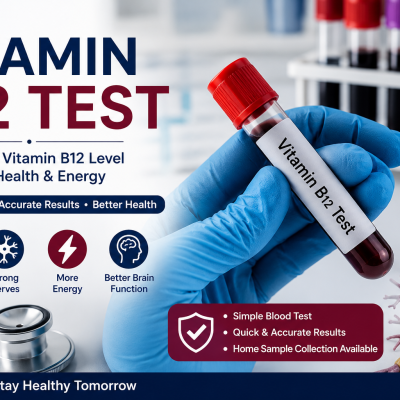
The Vitamin B12 Test is one of the most important laboratory investigations used to measure the level of vitamin B12 in your body and assess your overall nutritional health. Vitamin B12, also known as cobalamin, is an essential water-soluble vitamin that plays a crucial role in the production of healthy red blood cells, proper nerve function, DNA synthesis, and brain health. Unlike many other vitamins, the human body cannot produce vitamin B12 on its own, so it must be obtained through food or dietary supplements. Vitamin B12 is naturally found in animal-based foods such as meat, fish, eggs, milk, and dairy products. As a result, vegetarians, vegans, elderly individuals, and people with digestive disorders are at a higher risk of developing vitamin B12 deficiency. Although the body stores vitamin B12 in the liver, these reserves gradually decrease over time if intake or absorption becomes inadequate. Vitamin B12 deficiency often develops slowly and may remain unnoticed for months or even years before symptoms become apparent. Individuals with low vitamin B12 levels commonly experience persistent fatigue, weakness, dizziness, pale skin, memory problems, numbness or tingling in the hands and feet, difficulty walking, mood changes, and poor concentration. If left untreated, severe vitamin B12 deficiency may lead to irreversible nerve damage, anemia, and neurological complications. A Vitamin B12 Test enables healthcare providers to detect deficiency at an early stage, monitor treatment effectiveness, and recommend dietary improvements or supplementation before permanent damage occurs. Doctors commonly recommend a Vitamin B12 Blood Test for individuals experiencing unexplained fatigue, anemia, neurological symptoms, digestive disorders, or nutritional deficiencies. It is also included in many preventive health checkups because early diagnosis supports better long-term health outcomes. In this comprehensive guide, you will learn everything about the Vitamin B12 Test, including what it measures, why it is important, normal vitamin B12 levels, preparation guidelines, report interpretation, and practical ways to maintain healthy vitamin B12 levels throughout your life.
What is a Vitamin B12 Test?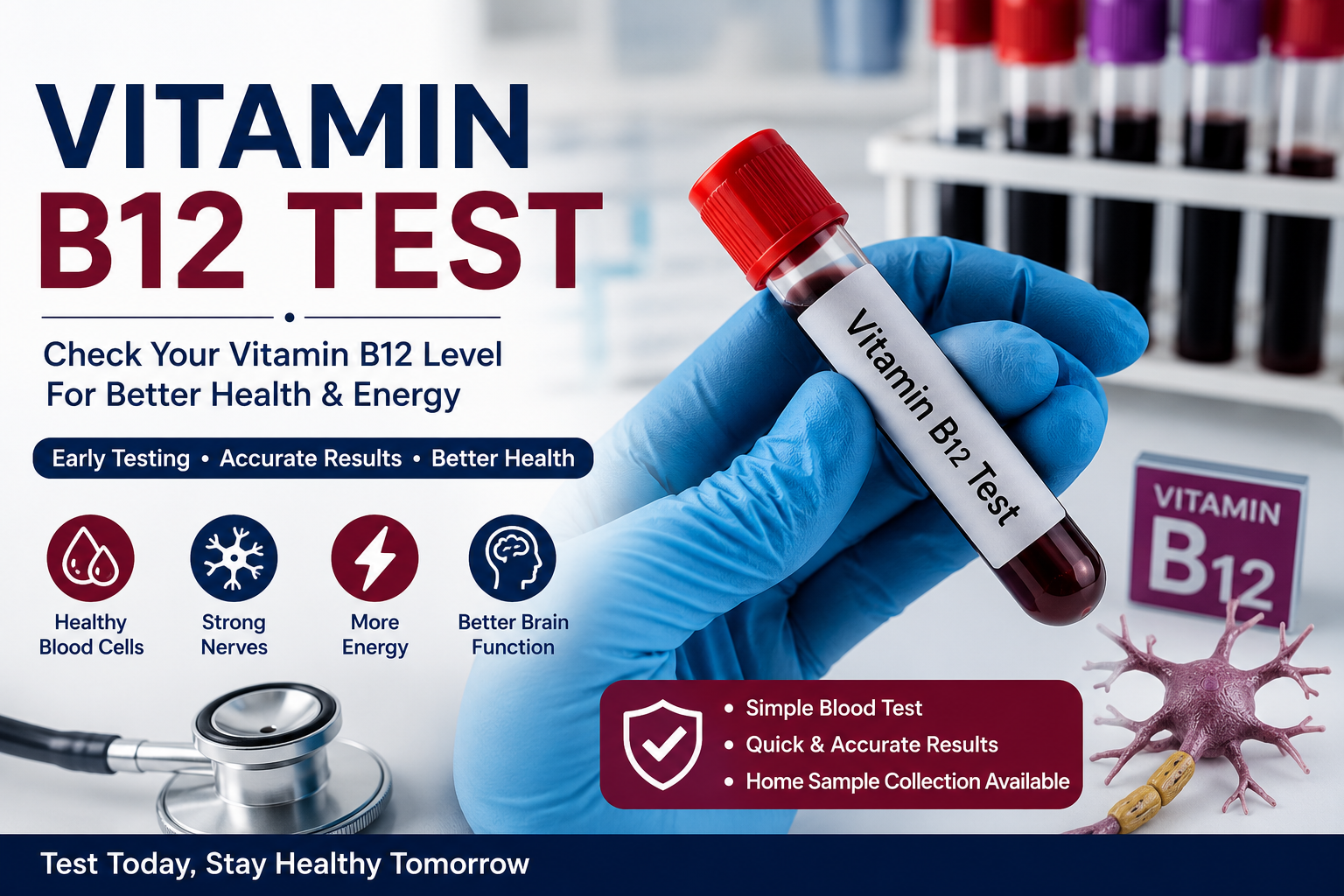
A Vitamin B12 Test is a laboratory blood test that measures the amount of vitamin B12 circulating in your bloodstream to determine whether your body has sufficient levels to support healthy blood cell production, nerve function, and DNA synthesis. The test helps healthcare providers diagnose vitamin B12 deficiency, monitor ongoing treatment, evaluate nutritional status, and investigate symptoms that may be related to low vitamin B12 levels. Since vitamin B12 is essential for several critical body functions, maintaining adequate levels is important for overall health and well-being. The Vitamin B12 Blood Test is considered one of the most reliable methods for identifying deficiency because symptoms alone are often non-specific and may resemble those of many other medical conditions.
Healthcare providers frequently recommend a Serum Vitamin B12 Test, which measures the concentration of vitamin B12 in the blood. This test provides valuable information about the body’s available vitamin B12 stores and helps determine whether additional investigations or treatment are required. Individuals experiencing chronic fatigue, weakness, numbness, poor memory, anemia, or difficulty maintaining balance often undergo a Vitamin B12 Deficiency Test to identify nutritional deficiencies contributing to these symptoms. Doctors may also request the test for patients with digestive disorders such as Crohn’s disease, celiac disease, pernicious anemia, or after certain gastrointestinal surgeries because these conditions may reduce vitamin B12 absorption.
A Vitamin B12 Test is particularly important for vegetarians and vegans because vitamin B12 is naturally found almost exclusively in animal-based foods. Elderly individuals are also at increased risk because aging reduces the stomach’s ability to absorb vitamin B12 efficiently. Patients taking long-term acid-reducing medications or metformin for diabetes may develop reduced vitamin B12 absorption and require periodic monitoring. The Vitamin B12 Screening Test is often included in routine preventive health checkups because deficiency can remain undetected for long periods without obvious symptoms.
The procedure itself is simple and requires only a small blood sample collected from a vein in your arm. Advanced laboratory analyzers accurately measure serum vitamin B12 levels, and reports are generally available within the same day or within 24 hours. Early diagnosis through a Vitamin B12 Test enables timely treatment with dietary modifications, oral supplements, or vitamin B12 injections when necessary, helping prevent long-term neurological complications and improving overall quality of life.
What Does a Vitamin B12 Test Measure?
A Vitamin B12 Test measures the concentration of vitamin B12 circulating in your bloodstream, allowing healthcare providers to determine whether your body has sufficient vitamin B12 to support healthy blood formation, nervous system function, DNA production, and cellular metabolism. Because vitamin B12 participates in many essential biological processes, even mild deficiencies can gradually affect multiple organ systems. The Vitamin B12 Blood Test helps identify nutritional deficiencies before severe complications develop and enables healthcare providers to recommend appropriate treatment.
Serum Vitamin B12
The Serum Vitamin B12 Test measures the total amount of vitamin B12 present in your bloodstream. This is the most commonly performed laboratory investigation for evaluating vitamin B12 status. Vitamin B12 supports normal cell division, healthy nerve cells, and red blood cell production. Low serum vitamin B12 levels often indicate inadequate dietary intake, poor intestinal absorption, autoimmune disorders such as pernicious anemia, or gastrointestinal diseases affecting nutrient absorption. Although the Serum Vitamin B12 Test is highly valuable, doctors may occasionally recommend additional investigations if results fall within the borderline range or if symptoms strongly suggest deficiency despite normal laboratory values. Monitoring serum vitamin B12 levels also helps evaluate the effectiveness of vitamin supplementation and long-term treatment.
Vitamin B12 and Red Blood Cell Production
One of the primary functions of vitamin B12 is supporting the production of healthy red blood cells in the bone marrow. Without adequate vitamin B12, red blood cells become unusually large and develop abnormally, leading to a condition known as megaloblastic anemia. These enlarged red blood cells cannot transport oxygen efficiently throughout the body, resulting in symptoms such as fatigue, weakness, dizziness, shortness of breath, pale skin, and reduced exercise tolerance. The Vitamin B12 Test helps healthcare providers identify vitamin B12 deficiency as an underlying cause of anemia and distinguish it from other nutritional deficiencies such as iron deficiency or folate deficiency. Early diagnosis allows prompt treatment, improving red blood cell production and relieving symptoms.
Vitamin B12 and Nerve Function
Vitamin B12 is equally important for maintaining healthy nerve cells and protecting the protective covering known as the myelin sheath that surrounds nerves throughout the body. The myelin sheath enables efficient transmission of nerve signals between the brain, spinal cord, and peripheral nerves. Vitamin B12 deficiency gradually damages this protective layer, resulting in symptoms such as numbness, tingling sensations, burning feet, reduced sensation, poor balance, muscle weakness, and difficulty walking. In advanced cases, prolonged deficiency may lead to permanent nerve damage if treatment is delayed. The Vitamin B12 Test plays a crucial role in identifying vitamin B12 deficiency before irreversible neurological complications develop. Doctors frequently recommend the test for individuals experiencing unexplained neurological symptoms, memory problems, poor concentration, mood changes, or balance difficulties. Monitoring vitamin B12 levels allows healthcare providers to evaluate treatment response and ensure adequate vitamin B12 replacement over time.
Together, the Serum Vitamin B12 Test, evaluation of red blood cell production, and assessment of nerve function provide valuable information about the body’s nutritional status and overall health. Rather than relying solely on symptoms, healthcare providers use the Vitamin B12 Test to accurately diagnose deficiency, monitor treatment progress, and recommend personalized dietary improvements, supplementation, or additional investigations when necessary.
Vitamin B12 Test Normal Range
Understanding the Vitamin B12 Test Normal Range is essential because it helps determine whether your body has adequate vitamin B12 to support healthy blood cells, nerve function, and brain health. Laboratory results are generally reported in picograms per milliliter (pg/mL), although reference values may vary slightly between laboratories depending on testing methods and equipment. In most laboratories, a Vitamin B12 level below 200 pg/mL is generally considered deficient, indicating that the body lacks sufficient vitamin B12 to maintain normal physiological functions. Individuals with deficiency often require dietary changes, oral supplements, or vitamin B12 injections depending on the underlying cause. Vitamin B12 levels between 200 and 300 pg/mL are usually considered borderline, meaning additional investigations or repeat testing may be required if symptoms are present. Levels between 300 and 900 pg/mL are generally regarded as normal for most healthy adults and indicate adequate vitamin B12 stores. Vitamin B12 levels above 900 pg/mL may occasionally occur due to supplementation or certain medical conditions and should be interpreted by a healthcare provider within the context of the patient’s medical history and symptoms. It is important to remember that the Vitamin B12 Test Normal Range should never be interpreted in isolation. Healthcare providers evaluate the Vitamin B12 Report together with symptoms, Complete Blood Count (CBC), folate levels, medications, digestive health, neurological findings, and other laboratory investigations before confirming a diagnosis. Individuals receiving vitamin B12 treatment often undergo periodic Vitamin B12 Test monitoring to ensure therapy is effective and vitamin levels remain within the recommended range. Understanding the Vitamin B12 Test Normal Range helps patients make informed healthcare decisions, follow medical advice appropriately, and maintain healthy vitamin B12 levels for lifelong blood, nerve, and brain health.
Why is a Vitamin B12 Test Important?
A Vitamin B12 Test is one of the most valuable laboratory investigations for identifying vitamin B12 deficiency before it causes serious health complications. Vitamin B12 is essential for producing healthy red blood cells, maintaining proper nerve function, supporting DNA synthesis, and ensuring normal brain function. When the body lacks adequate vitamin B12, red blood cell production becomes abnormal, reducing the blood’s ability to carry oxygen efficiently to different organs and tissues. As a result, individuals may experience persistent fatigue, weakness, dizziness, shortness of breath, and poor physical performance. Beyond blood health, vitamin B12 is equally important for maintaining the protective covering around nerves, known as the myelin sheath. Long-term vitamin B12 deficiency can damage this protective layer, resulting in numbness, tingling sensations, burning feet, poor balance, memory problems, and difficulty walking. If deficiency remains untreated for an extended period, some neurological damage may become permanent. A Vitamin B12 Test enables healthcare providers to diagnose deficiency at an early stage, even before severe symptoms develop, allowing timely treatment through dietary modifications, oral supplements, or vitamin B12 injections. Doctors frequently recommend the Vitamin B12 Blood Test for patients with unexplained anemia, chronic fatigue, neurological symptoms, digestive disorders, or nutritional deficiencies. The test is also used to monitor patients receiving vitamin B12 therapy and evaluate whether treatment is restoring normal vitamin levels. Individuals with chronic illnesses such as diabetes, kidney disease, autoimmune disorders, or gastrointestinal diseases may require regular Vitamin B12 Test monitoring because these conditions can interfere with vitamin B12 absorption. By identifying deficiency early, the Vitamin B12 Test helps prevent anemia, protects nerve health, improves energy levels, supports cognitive function, and contributes to better long-term health outcomes.
Who Should Get a Vitamin B12 Test?
Although anyone can develop vitamin B12 deficiency, certain individuals are at significantly higher risk and should undergo regular Vitamin B12 Test screening. Adults over the age of 30 are encouraged to include a Vitamin B12 Test as part of routine preventive healthcare because vitamin B12 absorption gradually decreases with age. Elderly individuals are particularly vulnerable because aging reduces stomach acid production, making it more difficult to absorb vitamin B12 from food. Vegetarians and vegans are also at increased risk because vitamin B12 is naturally found almost exclusively in animal-based foods such as meat, fish, eggs, and dairy products. Individuals following plant-based diets for many years should consider periodic Vitamin B12 Blood Test monitoring to detect deficiency before symptoms develop. Patients diagnosed with anemia, especially megaloblastic anemia, require a Vitamin B12 Deficiency Test to determine whether low vitamin B12 is contributing to abnormal red blood cell production. People experiencing persistent fatigue, weakness, dizziness, poor concentration, memory problems, or numbness in the hands and feet should also consult a healthcare provider and undergo testing. Individuals with digestive disorders such as Crohn’s disease, celiac disease, inflammatory bowel disease, or those who have undergone stomach or intestinal surgery may have difficulty absorbing vitamin B12 and often require regular monitoring. Patients taking long-term medications such as metformin for diabetes or acid-reducing medicines for gastric disorders may also experience reduced vitamin B12 absorption. Pregnant women, breastfeeding mothers, and individuals with poor nutritional intake may occasionally require testing if deficiency is suspected. Even healthy individuals without symptoms can benefit from routine Vitamin B12 Test screening because deficiency often develops gradually and may remain unnoticed until complications become more serious.
Symptoms That Indicate You Need a Vitamin B12 Test
Vitamin B12 deficiency often develops slowly over several months or even years, making early diagnosis difficult without laboratory testing. A Vitamin B12 Test is recommended whenever persistent symptoms suggest inadequate vitamin B12 levels. One of the earliest and most common symptoms is persistent fatigue, even after adequate sleep and rest, because vitamin B12 deficiency reduces the body’s ability to produce healthy oxygen-carrying red blood cells. Individuals may also experience generalized weakness, reduced stamina, dizziness, or shortness of breath during routine physical activity. Pale skin is another common sign because anemia reduces the number of healthy red blood cells circulating in the body. As vitamin B12 deficiency progresses, neurological symptoms often develop due to damage affecting the nervous system. Many patients notice numbness or tingling sensations in the hands, feet, fingers, or toes. Some experience burning feet, reduced sensation, muscle weakness, poor balance, or difficulty walking. Memory problems, difficulty concentrating, confusion, mood changes, irritability, depression, and reduced mental clarity may also occur because vitamin B12 plays a crucial role in maintaining healthy brain function. Certain individuals develop glossitis, characterized by a swollen, smooth, or painful tongue, along with mouth ulcers and reduced appetite. Digestive symptoms such as nausea, constipation, diarrhea, or unexplained weight loss may also be associated with vitamin B12 deficiency. Since these symptoms can result from many different medical conditions, a Vitamin B12 Test is essential for confirming whether low vitamin B12 levels are responsible. Healthcare providers may also recommend testing for individuals with diabetes, digestive disorders, autoimmune diseases, or long-term medication use, even in the absence of obvious symptoms. Early diagnosis through a Vitamin B12 Test allows timely treatment that improves energy levels, protects nerve health, supports brain function, and prevents permanent neurological complications.
Vitamin B12 Test Preparation
One of the advantages of the Vitamin B12 Test is that it generally requires minimal preparation, making it convenient for patients of all ages. In most cases, fasting is not required before undergoing a Vitamin B12 Blood Test, and patients can continue eating and drinking normally unless additional blood investigations requiring fasting have been scheduled simultaneously. However, healthcare providers may occasionally recommend fasting if the Vitamin B12 Test is performed alongside investigations such as a Lipid Profile or Blood Sugar Test. Patients should always follow the preparation instructions provided by their doctor or diagnostic laboratory. It is important to inform the healthcare provider about all prescription medications, over-the-counter drugs, herbal supplements, and nutritional products currently being used because certain medications may affect vitamin B12 absorption or laboratory interpretation. Individuals already taking vitamin B12 supplements or receiving vitamin B12 injections should inform the doctor before testing because supplementation may influence the results. Unless specifically instructed by a physician, vitamin B12 supplements should not be discontinued before testing. Maintaining normal hydration by drinking adequate water before blood collection is encouraged because it makes the blood collection procedure easier and more comfortable. Wearing comfortable clothing with sleeves that can be rolled up easily also facilitates blood sample collection. Patients who have recently undergone gastrointestinal surgery or experienced significant dietary changes should inform the healthcare provider because these factors may influence vitamin B12 levels. Following proper Vitamin B12 Test Preparation helps ensure reliable laboratory results, allowing healthcare providers to accurately diagnose deficiency, evaluate treatment response, and recommend appropriate supplementation or further investigations when required.
How is a Vitamin B12 Test Performed?
A Vitamin B12 Test is a simple, safe, and minimally invasive blood test that usually requires only a few minutes to complete. The procedure begins with patient registration, during which laboratory staff verify personal information, review the physician’s prescription if applicable, and confirm whether any special preparation or fasting instructions were provided. Since fasting is generally unnecessary, most patients can undergo the Vitamin B12 Test at any convenient time during normal laboratory hours. A trained phlebotomist then asks the patient to sit comfortably while selecting a suitable vein, most commonly located on the inside of the elbow. The skin is cleaned thoroughly using an antiseptic solution to reduce the risk of infection before a sterile disposable needle is gently inserted into the vein. A small amount of blood is collected into specialized laboratory tubes used for Vitamin B12 Blood Test analysis. Most individuals experience only mild discomfort similar to a brief pinprick, and the entire blood collection procedure typically takes less than five minutes. After the blood sample has been collected, the needle is removed, gentle pressure is applied using sterile cotton or gauze, and a small adhesive bandage is placed over the puncture site. The labeled blood sample is transported to the laboratory, where advanced automated analyzers accurately measure Serum Vitamin B12 levels. Strict quality control procedures are followed throughout laboratory analysis to ensure precise and dependable results before generating the Vitamin B12 Report. Most diagnostic centres provide reports on the same day or within 24 hours. For added convenience, BN Diagnostic Centre also offers home sample collection services, allowing patients to undergo a Vitamin B12 Test from the comfort of their home. A trained phlebotomist safely collects the sample while maintaining the same hygiene, safety, and quality standards followed within the diagnostic centre. Once the Vitamin B12 Report is available, the healthcare provider evaluates the results together with symptoms, Complete Blood Count (CBC), folate levels, medications, digestive health, and medical history before recommending treatment or additional investigations. The simplicity, reliability, and clinical importance of the Vitamin B12 Test make it one of the most valuable investigations for diagnosing nutritional deficiencies, monitoring treatment, and supporting long-term blood, nerve, and brain health.