
A CBC Test is one of the most commonly recommended blood tests by healthcare professionals because it provides valuable information about your overall health. Whether you are visiting a doctor for a routine health checkup, experiencing symptoms such as fatigue or fever, or monitoring an existing medical condition, a CBC Test is often the first laboratory investigation advised. This simple yet highly effective blood test can help detect a wide range of health conditions, including anemia, infections, inflammation, blood disorders, nutritional deficiencies, and even certain types of cancer.
Modern healthcare focuses on early diagnosis and preventive care, and the CBC Test plays a vital role in achieving these goals. Many diseases do not show noticeable symptoms during their early stages. A routine blood examination can identify abnormal changes in blood cells before they become serious, allowing doctors to begin treatment at the right time. This is why the CBC Test is considered an essential part of preventive health screening and annual health checkup packages.
A Complete Blood Count Test measures several important components of your blood, including Red Blood Cells (RBCs), White Blood Cells (WBCs), Hemoglobin, Hematocrit, Platelets, and various red blood cell indices. Each component provides specific information about how your body is functioning and whether there are signs of disease or abnormalities. Doctors use these values to evaluate your immune system, oxygen-carrying capacity, blood-clotting ability, and overall health.
One of the biggest advantages of a CBC Test is that it is quick, safe, and requires only a small blood sample. The test usually takes just a few minutes, and results are often available on the same day. Since it does not require fasting in most cases, it is convenient for patients of all age groups.
At BN Diagnostic Centre, a trusted Diagnostic Centre in Jaipur, we perform accurate CBC Blood Tests using advanced laboratory equipment and strict quality control standards. Our experienced pathology professionals ensure reliable reports that help doctors make informed medical decisions. Whether you need a routine blood test or a preventive health screening, our pathology laboratory is committed to delivering accurate and timely diagnostic services.
In this comprehensive guide, you will learn everything about the CBC Test, including what it measures, why it is important, what diseases it can detect, how to prepare for the test, how to understand your CBC Test report, and why regular blood testing is essential for maintaining good health.
What is a CBC Test?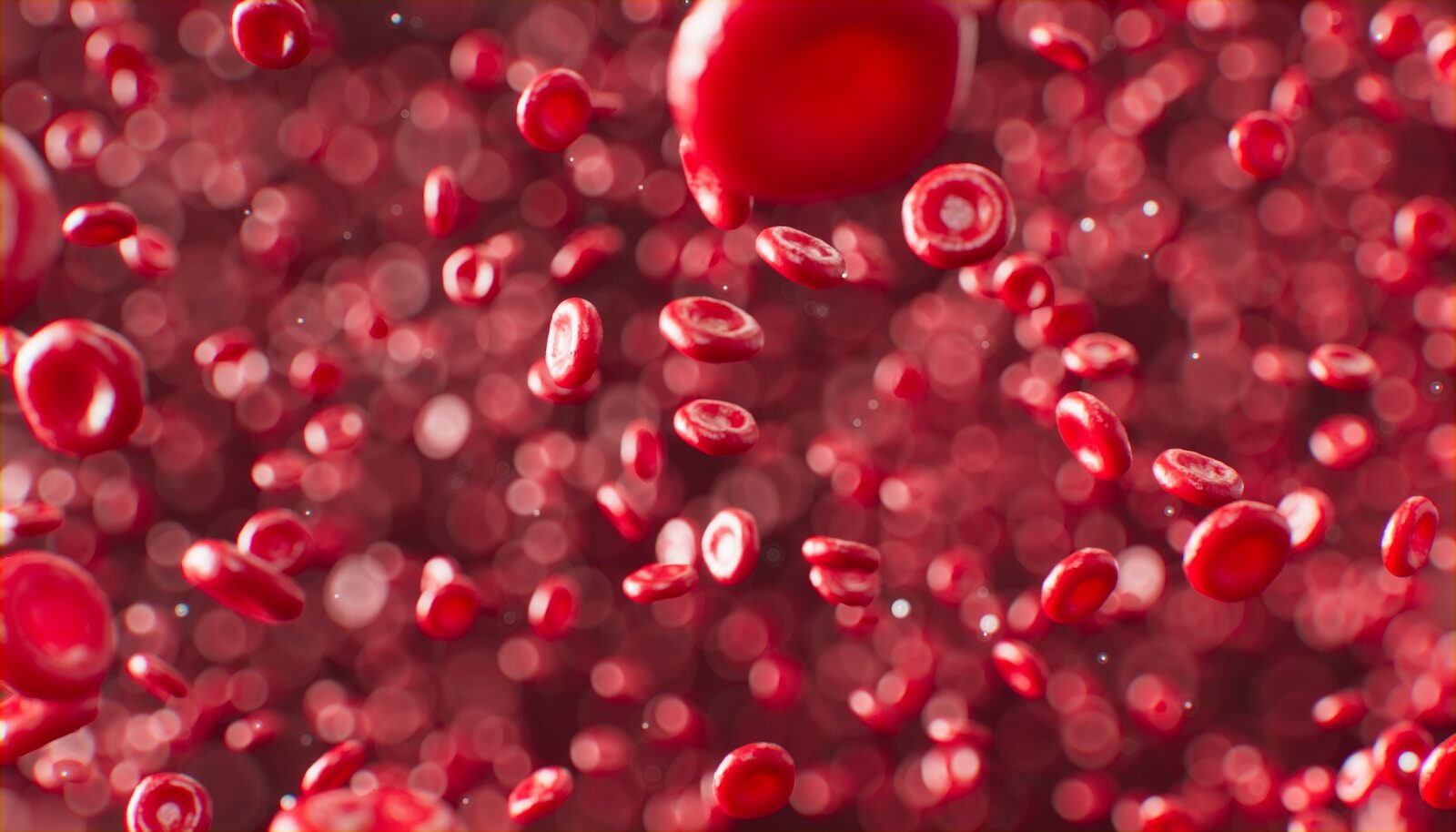
A CBC Test, also known as a Complete Blood Count Test, is a routine laboratory investigation that evaluates the different types of cells present in your blood. It is one of the most frequently ordered blood tests because it provides a comprehensive overview of your health and helps doctors diagnose a wide variety of medical conditions.
Blood performs several essential functions in the human body. It transports oxygen and nutrients to tissues, removes waste products, fights infections, supports the immune system, and helps control bleeding through blood clotting. Any imbalance in the number or quality of blood cells may indicate an underlying health problem. A CBC Test measures these blood components and helps identify abnormalities before they lead to serious complications.
Doctors commonly recommend a CBC Test during annual health checkups, routine medical examinations, pre-surgical evaluations, pregnancy care, and whenever symptoms such as weakness, fatigue, fever, unexplained weight loss, dizziness, or excessive bleeding occur. It is also used to monitor patients who are receiving treatment for infections, anemia, cancer, autoimmune diseases, or chronic medical conditions.
A CBC Blood Test is simple and minimally invasive. A healthcare professional collects a small sample of blood from a vein in your arm using a sterile needle. The sample is then analyzed in a laboratory using automated hematology analyzers that provide accurate measurements of different blood cells. Most patients receive their results within a few hours or by the next day.
The CBC Test is not designed to diagnose a specific disease on its own. Instead, it provides important clues that help doctors determine whether additional tests or medical evaluations are needed. Because it offers a broad assessment of overall health, it remains one of the most valuable diagnostic tools in modern medicine.
What Does a CBC Test Measure?
A CBC Test evaluates several important blood components, each of which plays a crucial role in maintaining your health. Understanding these parameters helps patients better understand their laboratory reports and why doctors recommend this test so frequently.
Red Blood Cells (RBC)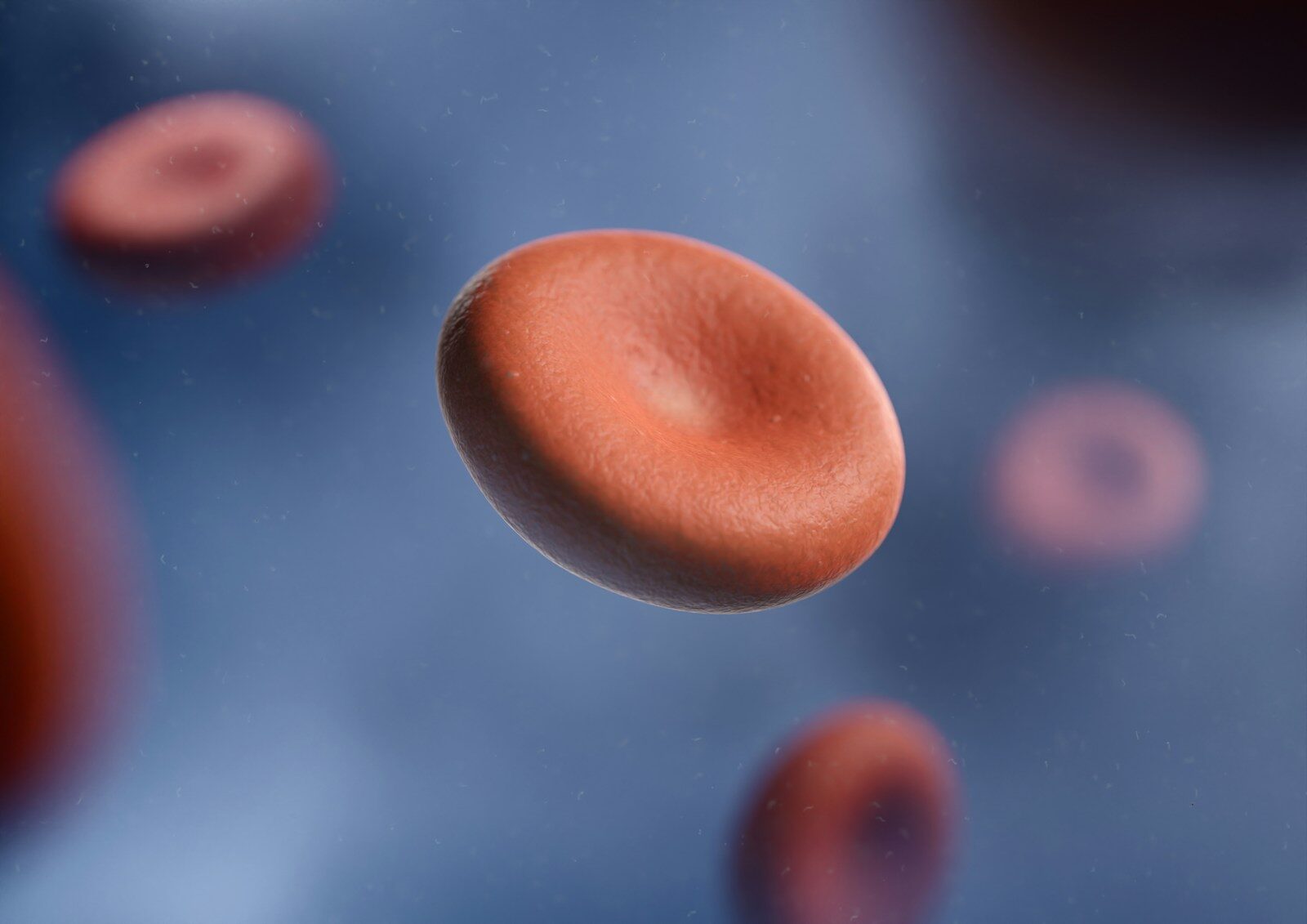
Red Blood Cells are responsible for carrying oxygen from the lungs to every tissue and organ in the body. They also transport carbon dioxide back to the lungs for removal. Healthy RBC levels are essential for maintaining energy, stamina, and normal organ function.
Low RBC counts may indicate:
- Anemia
- Iron deficiency
- Vitamin B12 deficiency
- Blood loss
- Bone marrow disorders
High RBC counts may occur due to:
- Dehydration
- Lung disease
- Smoking
- Certain bone marrow conditions
Monitoring RBC levels through a CBC Test helps doctors identify conditions that affect oxygen delivery throughout the body.
White Blood Cells (WBC)
White Blood Cells are an important part of your immune system. Their primary function is to protect the body from bacteria, viruses, fungi, and other harmful microorganisms.
High WBC counts may indicate:
- Bacterial infection
- Inflammation
- Stress response
- Leukemia
- Immune disorders
Low WBC counts may result from:
- Viral infections
- Bone marrow disorders
- Autoimmune diseases
- Certain medications
A CBC Blood Test allows doctors to determine whether your immune system is functioning properly and whether additional investigations are required.
Hemoglobin (Hb)
Hemoglobin is a protein found inside red blood cells that carries oxygen throughout the body. It is one of the most important values measured during a CBC Test because it helps diagnose anemia and evaluate overall blood health.
Low hemoglobin levels may cause:
- Fatigue
- Weakness
- Dizziness
- Pale skin
- Shortness of breath
High hemoglobin levels may be associated with dehydration, smoking, or chronic lung disease.
Hematocrit (HCT)
Hematocrit measures the percentage of blood that consists of red blood cells. This value helps doctors assess hydration levels and detect blood disorders.
Abnormal hematocrit levels may suggest:
- Anemia
- Dehydration
- Blood loss
- Bone marrow disorders
The hematocrit value is usually interpreted along with RBC and hemoglobin levels for a complete understanding of your blood health.
Platelets
Platelets are tiny blood cells that play a crucial role in blood clotting. Whenever an injury occurs, platelets gather at the damaged site to prevent excessive bleeding.
Low platelet counts may increase the risk of:
- Easy bruising
- Nosebleeds
- Bleeding gums
- Excessive bleeding after injury
High platelet counts may indicate inflammatory conditions or certain bone marrow disorders.
Monitoring platelet levels through a CBC Test is essential for evaluating your body’s ability to stop bleeding effectively.
Red Blood Cell Indices
A Complete Blood Count Test also measures several RBC indices that provide additional information about the size and quality of red blood cells.
These include:
- MCV (Mean Corpuscular Volume): Measures the average size of red blood cells.
- MCH (Mean Corpuscular Hemoglobin): Measures the average amount of hemoglobin in each red blood cell.
- MCHC (Mean Corpuscular Hemoglobin Concentration): Measures the concentration of hemoglobin inside red blood cells.
- RDW (Red Cell Distribution Width): Indicates the variation in red blood cell size.
Why is a CBC Test Important?
A CBC Test is much more than a routine blood examination. It is one of the most valuable diagnostic tools that helps doctors evaluate your overall health, identify hidden medical conditions, and monitor existing diseases. Since many health problems develop without obvious symptoms during their early stages, a CBC Test provides important information that can lead to timely diagnosis and treatment. Whether you are undergoing a routine health checkup or visiting a doctor because of specific symptoms, this test plays a crucial role in understanding your body’s health status.
One of the primary reasons doctors recommend a CBC Test is its ability to detect abnormalities in blood cells before they become serious. Small changes in Red Blood Cells (RBCs), White Blood Cells (WBCs), Hemoglobin, Hematocrit, or Platelets can indicate infections, anemia, inflammation, nutritional deficiencies, immune disorders, and many other medical conditions. Because these changes often occur before noticeable symptoms appear, early testing can help prevent complications and improve treatment outcomes.
A CBC Test is also an essential part of Preventive Health Screening. Regular health checkups help individuals stay informed about their health and identify potential risks before they develop into major illnesses. Doctors often include a CBC Blood Test in annual health checkup packages because it provides a comprehensive overview of your blood health and supports preventive healthcare.
Patients undergoing treatment for chronic diseases also benefit from regular CBC Test monitoring. Doctors use the test to evaluate how well medications are working, monitor the body’s response to treatment, and detect possible side effects of medications such as chemotherapy, antibiotics, or immune-suppressing drugs. This makes the CBC Test an important tool not only for diagnosis but also for long-term disease management.
Pregnant women are also advised to undergo routine CBC Tests throughout pregnancy. These tests help monitor hemoglobin levels, detect anemia, evaluate infections, and ensure both the mother and baby remain healthy. Likewise, individuals preparing for surgery often undergo a CBC Blood Test to assess their overall blood health and reduce surgical risks.
At BN Diagnostic Centre, a trusted Diagnostic Centre in Jaipur, advanced pathology testing ensures accurate CBC Test reports that help doctors make informed treatment decisions. With modern laboratory technology and experienced professionals, patients receive reliable results quickly and efficiently.
What Diseases Can a CBC Test Detect?
A CBC Test cannot diagnose every disease by itself, but it provides valuable clues that help doctors identify a wide range of medical conditions. Abnormal blood cell counts often indicate that further evaluation may be required. Below are some of the common conditions that can be detected or suspected through a CBC Test.
Anemia
One of the most common reasons for performing a CBC Test is to diagnose anemia. Anemia occurs when the body does not have enough healthy red blood cells or hemoglobin to carry sufficient oxygen throughout the body.
Common symptoms include:
- Fatigue
- Weakness
- Dizziness
- Pale skin
- Shortness of breath
- Headaches
A CBC Blood Test measures hemoglobin, hematocrit, and RBC levels, helping doctors determine the severity and possible cause of anemia.
Bacterial and Viral Infections
White Blood Cells are responsible for protecting the body against infections. During bacterial or viral infections, WBC levels often change significantly.
A CBC Test helps identify:
- Bacterial infections
- Viral infections
- Fungal infections
- Severe inflammatory responses
Although the test cannot identify the exact organism, it alerts doctors that an infection may be present and additional tests may be needed.
Blood Disorders
Several blood disorders can be detected through abnormalities in blood cell counts.
Examples include:
- Polycythemia
- Thrombocytopenia
- Thrombocytosis
- Leukopenia
- Neutropenia
Regular CBC Test monitoring allows doctors to identify these disorders early and begin appropriate treatment.
Leukemia and Other Blood Cancers
Certain blood cancers affect the production and function of blood cells.
A CBC Test may reveal:
- Extremely high or low White Blood Cell counts
- Abnormal immature blood cells
- Low Platelet count
- Low Hemoglobin
Although further investigations such as bone marrow examination are required to confirm the diagnosis, the CBC Blood Test often provides the first indication that additional testing is necessary.
Nutritional Deficiencies
Deficiencies of Iron, Vitamin B12, and Folate can affect the production of healthy blood cells.
A CBC Test helps identify nutritional deficiencies by evaluating:
- RBC size
- Hemoglobin concentration
- Red blood cell indices (MCV, MCH, MCHC)
Doctors may recommend additional vitamin and iron studies based on CBC Test results.
Chronic Inflammatory Conditions
Inflammatory diseases such as rheumatoid arthritis, autoimmune disorders, and chronic infections may cause changes in White Blood Cell counts and other blood parameters.
Routine CBC Test monitoring helps evaluate disease activity and treatment response.
Platelet Disorders
Platelets help control bleeding by forming blood clots after injury.
A CBC Test can detect:
- Low platelet count
- High platelet count
- Platelet abnormalities
Abnormal platelet levels may increase the risk of bleeding or abnormal blood clot formation.
When Do Doctors Recommend a CBC Test?
Doctors recommend a CBC Test in many different clinical situations because it provides essential information about overall health and helps identify underlying medical problems.
You may be advised to undergo a CBC Test if you experience:
- Persistent fatigue
- Frequent fever
- Weakness
- Unexplained weight loss
- Dizziness
- Frequent infections
- Easy bruising
- Excessive bleeding
- Chronic illness
- Poor appetite
In addition to diagnosing symptoms, a CBC Test is commonly recommended during:
Annual Health Checkups
Routine health examinations often include a CBC Blood Test to identify early health problems before symptoms develop.
Pregnancy
Pregnant women require regular CBC Tests to monitor anemia, infections, and overall maternal health throughout pregnancy.
Before Surgery
Doctors often request a CBC Test before surgical procedures to evaluate blood health and reduce surgical complications.
Chronic Disease Monitoring
Patients with diabetes, kidney disease, liver disease, autoimmune disorders, and cancer frequently undergo CBC Test monitoring to assess treatment effectiveness.
During Medication Therapy
Certain medications can affect blood cell production.
Doctors monitor CBC Test results during treatment with:
- Chemotherapy
- Antibiotics
- Immunosuppressive drugs
- Blood-thinning medications
Symptoms That May Indicate You Need a CBC Test
Many medical conditions begin with symptoms that may appear mild but should never be ignored. A CBC Test helps doctors identify the underlying cause of these symptoms and determine whether additional investigations are required.
You should consider consulting your healthcare provider if you experience any of the following:
Persistent Fatigue
Feeling tired even after adequate rest may indicate anemia or other blood disorders.
Frequent Fever or Infections
Repeated infections may suggest abnormalities in White Blood Cells that require evaluation through a CBC Test.
Weakness and Dizziness
Low hemoglobin or reduced oxygen delivery can lead to dizziness, weakness, and poor concentration.
Pale Skin
Pale skin is one of the most common signs of anemia and should be evaluated promptly.
Easy Bruising or Bleeding
Frequent nosebleeds, bleeding gums, or easy bruising may indicate low platelet levels.
Unexplained Weight Loss
Unexpected weight loss without changes in diet or exercise should always be medically evaluated.
Shortness of Breath
Reduced oxygen-carrying capacity due to low hemoglobin may cause breathlessness during routine activities.
Night Sweats or Persistent Illness
Long-lasting fever, night sweats, or unexplained illness may require further investigation, beginning with a CBC Blood Test.
Why Early Testing Matters
Ignoring symptoms can delay diagnosis and increase the risk of complications. A CBC Test provides valuable information that helps doctors detect diseases early, begin treatment promptly, and improve long-term health outcomes. As part of routine Health Checkup Tests and Preventive Health Screening, this simple blood test plays a significant role in protecting your overall well-being.
At BN Diagnostic Centre, a trusted Pathology Lab in Jaipur and Diagnostic Centre in Jaipur, our advanced laboratory facilities ensure accurate CBC Test reports with fast turnaround times, helping you and your doctor make informed healthcare decisions.
CBC Test Normal Range
Understanding your CBC Test results becomes easier when you know the normal reference ranges. These values may vary slightly depending on the laboratory, age, gender, and testing equipment used. Doctors always interpret your report based on your medical history, symptoms, and other laboratory findings rather than relying on a single value.
Below are the commonly accepted normal ranges for adults:
CBC Parameter Normal Range Red Blood Cells (Male) 4.7–6.1 million cells/µL Red Blood Cells (Female) 4.2–5.4 million cells/µL White Blood Cells 4,000–11,000 cells/µL Hemoglobin (Male) 13.8–17.2 g/dL Hemoglobin (Female) 12.1–15.1 g/dL Hematocrit (Male) 40.7–50.3% Hematocrit (Female) 36.1–44.3% Platelets 150,000–450,000 cells/µL A CBC Test Normal Range serves as a guideline for evaluating blood health. Slight variations do not always indicate disease, but significant deviations may require further investigation.
For example:
- Low Hemoglobin may suggest anemia.
- High White Blood Cells may indicate an infection.
- Low Platelets may increase the risk of bleeding.
- High Red Blood Cells could be associated with dehydration or chronic lung disease.
Your healthcare provider will interpret these results alongside your symptoms and medical history to provide an accurate diagnosis.
How to Prepare for a CBC Test
One of the biggest advantages of a CBC Test is that it requires very little preparation. Most patients can undergo the test without making any significant changes to their daily routine.
Follow these simple guidelines before your CBC Test:
No Fasting Required
A routine CBC Test generally does not require fasting. However, if your doctor has also prescribed tests such as a Blood Sugar Test or Lipid Profile, fasting may be necessary.
Stay Hydrated
Drink sufficient water before your blood sample is collected. Proper hydration makes veins easier to locate and helps ensure smooth blood collection.
Inform Your Doctor About Medications
Some medications may temporarily affect blood cell counts.
Inform your healthcare provider if you are taking:
- Blood thinners
- Steroids
- Antibiotics
- Chemotherapy medications
- Vitamin supplements
- Iron supplements
Wear Comfortable Clothing
Choose clothing with sleeves that can be easily rolled up to make blood collection more comfortable.
Stay Relaxed
The blood collection process usually takes only a few minutes and is performed using sterile equipment by trained professionals.
At BN Diagnostic Centre, every CBC Test is performed following strict hygiene protocols and international laboratory quality standards to ensure patient safety and accurate results.
Understanding Your CBC Test Report
Receiving your laboratory report can sometimes be confusing because it contains many medical terms and abbreviations. Understanding the basics can help you discuss your results more effectively with your doctor.
A CBC Test Report usually includes the following parameters:
RBC Count
Red Blood Cells carry oxygen throughout the body.
Low RBC may indicate:
- Iron deficiency
- Vitamin deficiency
- Blood loss
- Chronic disease
High RBC may indicate:
- Dehydration
- Smoking
- Lung disease
White Blood Cell Count
White Blood Cells help fight infections.
High WBC Count may suggest:
- Infection
- Inflammation
- Stress
- Leukemia
Low WBC Count may suggest:
- Viral infections
- Bone marrow disorders
- Autoimmune diseases
Hemoglobin
Hemoglobin determines your blood’s oxygen-carrying capacity.
Low Hemoglobin often indicates:
- Anemia
- Nutritional deficiency
- Blood loss
High Hemoglobin may occur due to:
- Dehydration
- High altitude
- Smoking
Platelet Count
Platelets help control bleeding.
Low Platelets may cause:
- Easy bruising
- Nosebleeds
- Bleeding gums
High Platelets may indicate:
- Inflammation
- Bone marrow disorders
- Iron deficiency
Red Cell Indices
Doctors also evaluate:
- MCV
- MCH
- MCHC
- RDW
These values help determine different types of anemia and nutritional deficiencies.
Although understanding your report is useful, never interpret a CBC Test Report on your own. Always consult a qualified healthcare professional for an accurate diagnosis.
Benefits of Getting Regular CBC Tests
Routine CBC Test screening plays an important role in preventive healthcare. Many diseases develop silently without producing noticeable symptoms, making early diagnosis extremely valuable.
Early Disease Detection
Regular CBC Blood Tests can detect health problems before symptoms appear, allowing timely treatment.
Better Health Monitoring
Patients with diabetes, hypertension, kidney disease, liver disease, thyroid disorders, or autoimmune diseases often require routine CBC monitoring.
Evaluating Treatment Progress
Doctors use CBC Tests to determine whether medications and treatments are working effectively.
Preventive Healthcare
Routine blood testing supports preventive health screening and helps maintain long-term wellness.
Peace of Mind
Knowing that your blood parameters are within the normal range provides reassurance about your overall health.
Who Should Get a CBC Test?
Although a CBC Test is recommended for almost everyone during routine health checkups, certain groups benefit even more from regular testing.
Adults
Annual CBC Blood Tests help monitor overall health and identify early disease.
Senior Citizens
Older adults have a higher risk of anemia, infections, and chronic diseases, making routine CBC monitoring essential.
Pregnant Women
Pregnancy increases the body’s demand for iron and nutrients. CBC Tests help monitor maternal and fetal health.
Children
Doctors may recommend CBC Tests when children experience prolonged fever, weakness, infections, or nutritional deficiencies.
Individuals with Chronic Diseases
Patients living with diabetes, kidney disease, liver disease, autoimmune disorders, or cancer require periodic CBC monitoring.
Individuals with Frequent Infections
Repeated infections may indicate immune system abnormalities that can be evaluated through a CBC Test.
People Undergoing Preventive Health Screening
Routine Health Checkup Tests often include a CBC Test to detect hidden medical conditions before symptoms develop.
Why Choose BN Diagnostic Centre for Your CBC Test?
Choosing a reliable laboratory is just as important as undergoing the test itself. Accurate reports help doctors make appropriate treatment decisions and improve patient outcomes.
At BN Diagnostic Centre, we are committed to delivering high-quality pathology services using advanced laboratory technology and experienced healthcare professionals.
Why Patients Trust Us
- Advanced Automated Laboratory Equipment
- Experienced Pathologists & Laboratory Technicians
- Accurate & Reliable CBC Test Reports
- Quick Report Delivery
- Strict Quality Control Standards
- Hygienic Blood Sample Collection
- Affordable Diagnostic Services
- Comprehensive Preventive Health Screening
- Trusted Diagnostic Centre in Jaipur
- Patient-Friendly Environment
Whether you require a routine CBC Test, a complete health checkup, or specialized pathology investigations, our dedicated team ensures accuracy, reliability, and compassionate care throughout your healthcare journey.
Conclusion
A CBC Test is one of the most valuable diagnostic tools available in modern healthcare. It provides essential information about your blood health and helps doctors detect anemia, infections, inflammation, blood disorders, nutritional deficiencies, and several other medical conditions. Because it is simple, quick, and highly informative, a CBC Test is recommended for people of all ages as part of routine health checkups and preventive healthcare.
Regular blood testing enables early disease detection, timely medical intervention, and better long-term health outcomes. Whether you are experiencing fatigue, weakness, fever, or simply want to monitor your overall health, a CBC Test can provide important insights that help protect your well-being.
At BN Diagnostic Centre, a trusted Diagnostic Centre in Jaipur and leading Pathology Lab in Jaipur, we offer accurate CBC Blood Tests, advanced laboratory diagnostics, preventive health screening, and fast reporting using modern technology. Our commitment to quality, precision, and patient care ensures that every individual receives reliable diagnostic services they can trust.
Your health is your greatest asset. Schedule your CBC Test today and take the first step toward early diagnosis, better treatment, and a healthier future.
Book Your CBC Test Today
Don’t wait for symptoms to appear before taking care of your health. A routine CBC Test can provide valuable insights into your overall well-being and help detect potential health concerns at an early stage.
Visit BN Diagnostic Centre, a trusted Diagnostic Centre in Jaipur, for accurate pathology testing, experienced laboratory professionals, advanced diagnostic technology, and timely reports.
Book your CBC Test today and make preventive healthcare a priority for you and your family.