A Lipid Profile Test is one of the most important blood tests used to evaluate your heart health and determine your risk of developing cardiovascular diseases. As lifestyle-related health conditions such as high cholesterol, obesity, diabetes, and hypertension continue to rise, regular cholesterol screening has become an essential part of preventive healthcare. Many people have high cholesterol without experiencing any noticeable symptoms, making early detection crucial for preventing serious complications like heart attacks, strokes, and blocked arteries. A Lipid Profile Test measures different types of fats, known as lipids, in your blood, including total cholesterol, HDL cholesterol, LDL cholesterol, triglycerides, and VLDL cholesterol. These values help doctors understand how well your body processes fats and whether any imbalance could affect your cardiovascular system. Whether you are undergoing a routine health checkup, managing an existing medical condition, or simply taking proactive steps to protect your health, a Lipid Profile Test provides valuable information about your overall well-being. Understanding your cholesterol levels allows you to make informed decisions regarding your diet, exercise, medications, and lifestyle before small problems become serious health concerns. In this comprehensive guide, you will learn everything about the Lipid Profile Test, including what it measures, why it is important, the normal range of cholesterol levels, how to prepare for the test, how to understand your report, and ways to maintain healthy cholesterol levels for long-term heart health.
What is a Lipid Profile Test?
A Lipid Profile Test is a laboratory blood test designed to measure the amount of different fats circulating in your bloodstream. These fats, commonly referred to as lipids, play an essential role in maintaining normal body functions, including hormone production, energy storage, and cell development. However, when lipid levels become too high or too low, they can increase the risk of cardiovascular diseases and other health complications. A Lipid Profile Blood Test helps healthcare providers evaluate your cholesterol levels and assess your overall cardiovascular risk before symptoms develop. Since high cholesterol often develops silently without causing discomfort, many individuals remain unaware of their condition until it leads to serious medical emergencies. Regular cholesterol screening through a Lipid Profile Test allows doctors to detect abnormal lipid levels early and recommend appropriate treatment or lifestyle changes.
The Lipid Profile Test is commonly recommended during annual health checkups, especially for adults above the age of 20, individuals with diabetes, hypertension, obesity, or a family history of heart disease. Doctors may also order this test for patients who smoke, have an inactive lifestyle, or are already taking cholesterol-lowering medications. By monitoring cholesterol levels regularly, physicians can evaluate how well treatment plans are working and adjust medications or dietary recommendations accordingly. The test is simple, minimally invasive, and usually requires only a small blood sample collected from a vein in your arm. Results are typically available within a few hours or by the next day, allowing healthcare providers to make timely decisions regarding your health.
One of the greatest advantages of a Lipid Profile Test is that it serves as a preventive healthcare tool rather than simply diagnosing existing diseases. Instead of waiting until symptoms appear, this test identifies potential cardiovascular risks at an early stage when lifestyle modifications and medical interventions are most effective. Maintaining healthy cholesterol levels significantly lowers the chances of developing coronary artery disease, stroke, peripheral artery disease, and other circulatory disorders. Because heart disease remains one of the leading causes of death worldwide, healthcare experts recommend regular Cholesterol Blood Test screenings as part of routine preventive healthcare for adults.
What Does a Lipid Profile Test Measure?
A Lipid Profile Test provides a detailed analysis of various types of cholesterol and fats present in your blood. Each component plays a unique role in maintaining normal body functions, and understanding these values helps doctors accurately evaluate your cardiovascular health. Rather than measuring a single cholesterol level, the Lipid Profile Test examines several important lipid components together, offering a complete picture of your heart health.
The first component measured is Total Cholesterol, which represents the combined amount of cholesterol present in your bloodstream. Cholesterol is a wax-like substance produced naturally by the liver and obtained through certain foods. Although cholesterol is necessary for hormone production, vitamin D synthesis, and cell membrane formation, excessive levels can accumulate within blood vessels, increasing the risk of cardiovascular disease. Maintaining a healthy total cholesterol level is one of the primary goals of preventive healthcare.
Another important parameter is HDL Cholesterol, commonly known as “good cholesterol.” HDL cholesterol performs a protective role by transporting excess cholesterol away from arteries and back to the liver, where it is processed and removed from the body. Higher HDL levels are associated with a reduced risk of heart disease because they help prevent plaque buildup inside blood vessels. Regular physical activity, maintaining a healthy weight, and consuming healthy fats can contribute to increasing HDL cholesterol levels naturally.
The Lipid Profile Test also measures LDL Cholesterol, widely referred to as “bad cholesterol.” Unlike HDL, LDL transports cholesterol to various tissues throughout the body. When LDL cholesterol becomes excessively high, cholesterol deposits begin accumulating on artery walls, gradually narrowing blood vessels and restricting blood flow. This condition, known as atherosclerosis, significantly increases the likelihood of heart attacks, strokes, and other cardiovascular complications. Managing LDL cholesterol through proper nutrition, exercise, and medications when necessary is essential for long-term heart health.
Another critical measurement included in the Lipid Profile Blood Test is the Triglycerides Test. Triglycerides are a type of fat stored in the body and used as a source of energy between meals. Although they are necessary for normal metabolism, elevated triglyceride levels often result from excessive calorie intake, obesity, diabetes, excessive alcohol consumption, and lack of physical activity. High triglycerides combined with elevated LDL cholesterol and low HDL cholesterol substantially increase the risk of cardiovascular disease and metabolic syndrome. Doctors carefully evaluate triglyceride levels alongside cholesterol measurements to determine an individual’s overall cardiovascular risk.
The final parameter often included is Very Low-Density Lipoprotein (VLDL) cholesterol. VLDL particles primarily transport triglycerides from the liver to different tissues throughout the body. Elevated VLDL levels may contribute to plaque formation within arteries and are commonly associated with high triglyceride levels. Although VLDL is not always discussed as frequently as HDL or LDL cholesterol, it remains an important indicator in a comprehensive Lipid Profile Test, particularly for patients with metabolic disorders or elevated cardiovascular risk.
Together, these measurements provide a complete assessment of your lipid balance and help healthcare providers identify whether your cholesterol levels fall within healthy limits or require medical attention. Rather than focusing on a single value, doctors evaluate the relationship between total cholesterol, HDL, LDL, triglycerides, and VLDL to develop personalized treatment plans aimed at reducing cardiovascular risk and promoting lifelong heart health.
Lipid Profile Test Normal Range
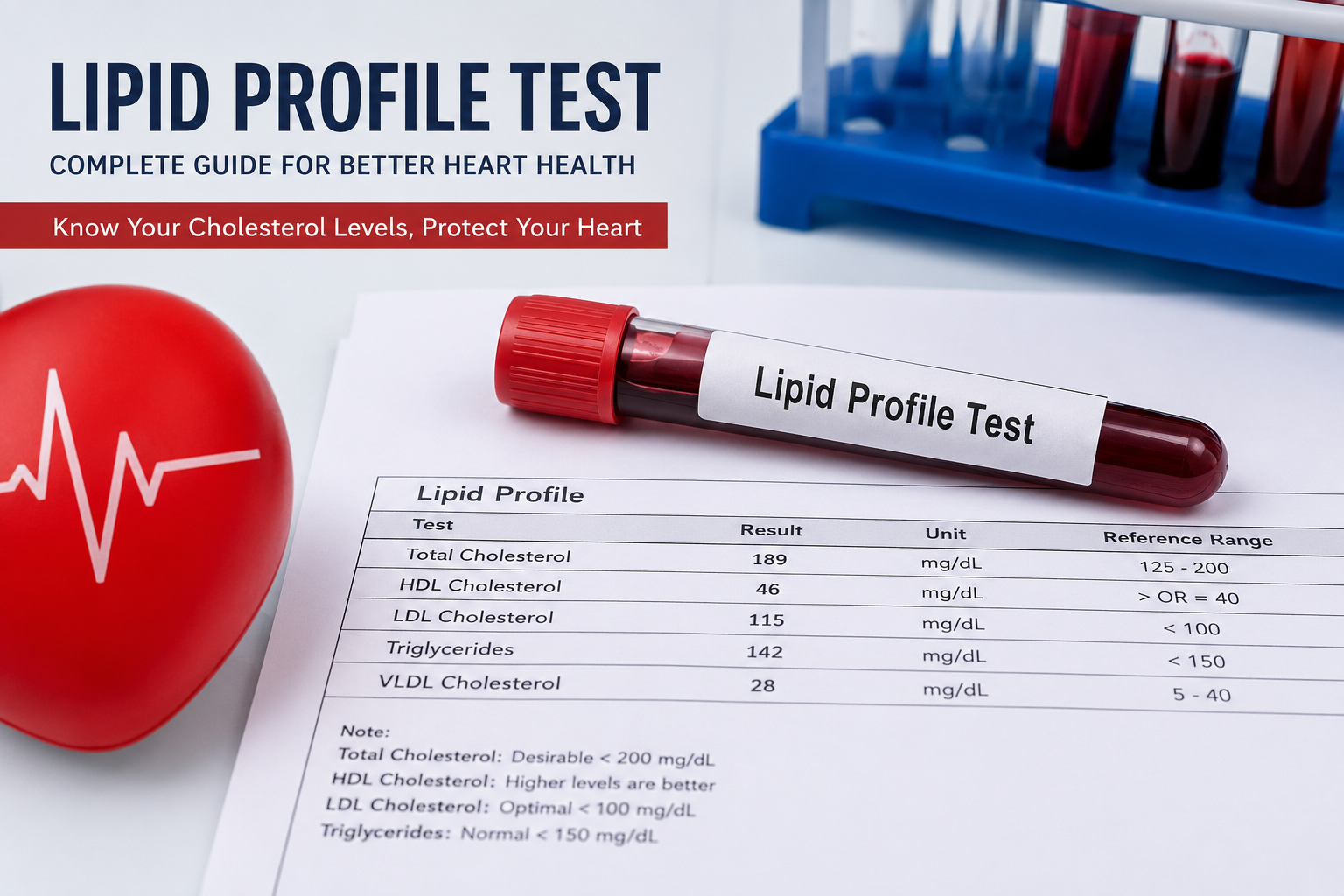
Understanding the Lipid Profile Test Normal Range is essential because it helps determine whether your cholesterol levels are healthy or whether lifestyle changes or medical treatment may be necessary. While normal values may vary slightly between laboratories, most healthcare providers follow internationally accepted reference ranges to assess cardiovascular risk. Generally, total cholesterol should remain below 200 mg/dL, indicating a lower likelihood of cholesterol-related complications. Levels between 200 and 239 mg/dL are considered borderline high, while readings of 240 mg/dL or higher indicate a high risk of cardiovascular disease. For LDL Cholesterol, often referred to as bad cholesterol, an ideal value is less than 100 mg/dL. Individuals with diabetes, previous heart disease, or multiple cardiovascular risk factors may be advised to maintain even lower LDL levels to reduce future complications. HDL Cholesterol, known as good cholesterol, should ideally be above 40 mg/dL in men and above 50 mg/dL in women, with higher levels providing greater protection against heart disease. Triglyceride levels are considered normal when they are below 150 mg/dL, while higher values may indicate an increased risk of heart disease, pancreatitis, or metabolic syndrome. VLDL Cholesterol is generally expected to remain between 5 and 40 mg/dL, although exact reference values may vary by laboratory. It is important to remember that these numbers should not be interpreted in isolation. Doctors evaluate your Lipid Profile Report alongside factors such as age, blood pressure, diabetes status, smoking habits, family history, body weight, and lifestyle before making recommendations. Even mildly abnormal results can often be improved through healthy eating, regular exercise, weight management, and timely medical care. Regular Lipid Profile Test screening allows healthcare providers to monitor changes over time, helping detect problems early and supporting better long-term heart health.
Why is a Lipid Profile Test Important?
A Lipid Profile Test plays a vital role in preventive healthcare because it helps identify cholesterol abnormalities before they develop into serious health conditions. One of the biggest challenges associated with high cholesterol is that it usually does not produce noticeable symptoms during its early stages. Many people continue their daily lives unaware that cholesterol is gradually accumulating inside their arteries, narrowing blood vessels and reducing blood flow to essential organs such as the heart and brain. By the time symptoms such as chest pain, shortness of breath, or a heart attack occur, significant damage may already have taken place. This is why doctors strongly recommend regular Lipid Profile Test screening, particularly for adults and individuals with cardiovascular risk factors. The test provides valuable information about total cholesterol, HDL cholesterol, LDL cholesterol, triglycerides, and other lipid components that influence heart health. Detecting abnormal cholesterol levels early allows healthcare providers to recommend dietary changes, physical activity, weight management, and medications when necessary before permanent complications develop. Regular monitoring through a Lipid Profile Test also helps assess whether lifestyle improvements or cholesterol-lowering medicines are effectively controlling lipid levels over time. People living with diabetes, hypertension, obesity, or metabolic syndrome especially benefit from routine testing because these conditions significantly increase cardiovascular risk. A Heart Health Blood Test, such as a Lipid Profile Test, not only protects against heart attacks and strokes but also reduces the likelihood of developing peripheral artery disease and other circulatory disorders. Early diagnosis combined with timely treatment can improve quality of life, reduce long-term healthcare costs, and promote healthy aging. Rather than waiting for symptoms to appear, undergoing a Lipid Profile Test at regular intervals empowers individuals to take control of their cardiovascular health and make informed decisions that support lifelong wellness.
Who Should Get a Lipid Profile Test?
Although a Lipid Profile Test is beneficial for almost everyone, certain individuals should consider regular screening because they have a higher risk of developing cardiovascular disease. Medical experts recommend that healthy adults begin cholesterol screening around the age of 20 and continue testing at regular intervals depending on their overall health and risk profile. Individuals with a family history of high cholesterol, heart attack, or stroke should be particularly vigilant because genetic factors can significantly influence cholesterol levels even when a healthy lifestyle is maintained. People diagnosed with diabetes are also advised to undergo a Lipid Profile Test regularly because elevated blood sugar often affects fat metabolism and increases the likelihood of abnormal cholesterol levels. Patients suffering from high blood pressure, obesity, or metabolic syndrome benefit greatly from periodic cholesterol testing since these conditions frequently coexist and collectively raise the risk of cardiovascular complications. Smokers and individuals who consume excessive alcohol should also undergo routine Lipid Profile Blood Test screening because tobacco use and unhealthy lifestyle habits contribute to artery damage and cholesterol imbalance. Individuals leading sedentary lifestyles, spending long hours sitting, and engaging in little physical activity may develop elevated LDL cholesterol and triglyceride levels over time, making regular monitoring essential. Women after menopause often experience hormonal changes that affect cholesterol metabolism, while older adults naturally face increased cardiovascular risk with age, making cholesterol screening an important part of preventive healthcare. Patients already taking cholesterol-lowering medications such as statins require periodic Lipid Profile Test evaluations to monitor treatment effectiveness and determine whether medication adjustments are needed. Even individuals who feel completely healthy should not ignore routine cholesterol testing because high cholesterol frequently develops without symptoms. By identifying abnormalities early, doctors can implement preventive strategies that significantly reduce the chances of heart disease and stroke in the future.
Symptoms That May Indicate You Need a Lipid Profile Test
One of the unique aspects of high cholesterol is that it is often referred to as a “silent condition” because it usually produces no symptoms until serious complications arise. This makes a Lipid Profile Test one of the most valuable preventive diagnostic tools available today. While abnormal cholesterol itself rarely causes obvious warning signs, several health conditions and symptoms may indicate that cholesterol testing is necessary. Individuals who experience recurring chest pain, discomfort during physical activity, or unexplained shortness of breath should consult their healthcare provider, as these symptoms may result from narrowed arteries caused by cholesterol buildup. People diagnosed with high blood pressure, diabetes, obesity, or fatty liver disease should also undergo a Lipid Profile Test, even if they do not notice any specific symptoms, because these conditions are closely associated with abnormal lipid levels. Persistent fatigue, reduced exercise tolerance, dizziness, and poor circulation may occasionally accompany advanced cardiovascular disease resulting from long-term cholesterol imbalance. Some individuals develop yellowish fatty deposits around the eyes, elbows, knees, or tendons, known as xanthomas, which can indicate inherited disorders of cholesterol metabolism. A strong family history of premature heart attacks or strokes is another important reason to undergo a Lipid Profile Test, regardless of age or physical fitness. Smokers, individuals with unhealthy eating habits, and people living under chronic stress may also benefit from routine cholesterol screening because these lifestyle factors increase cardiovascular risk. It is important to understand that the absence of symptoms does not guarantee healthy cholesterol levels. Many people first discover they have dangerously high LDL cholesterol only after routine blood testing during an annual health examination. Therefore, healthcare professionals recommend scheduling a Lipid Profile Test as part of regular preventive healthcare rather than waiting for symptoms to develop. Early detection enables timely lifestyle modifications and medical treatment that can prevent severe cardiovascular complications before they occur.
Lipid Profile Test Preparation
Proper Lipid Profile Test Preparation helps ensure that the test results accurately reflect your cholesterol and triglyceride levels, allowing your doctor to make appropriate clinical decisions. Although preparation requirements may vary slightly depending on your medical condition and your healthcare provider’s recommendations, following standard guidelines improves the reliability of the test. One of the most common instructions involves Fasting for Lipid Profile Test. Traditionally, patients are advised to fast for approximately 9 to 12 hours before blood sample collection, particularly when triglyceride measurement is important. During the fasting period, you should avoid all foods, fruit juices, soft drinks, tea, coffee with sugar or milk, and other calorie-containing beverages because they may temporarily alter blood fat levels. However, plain drinking water is encouraged throughout the fasting period because staying hydrated makes blood collection easier and does not interfere with test accuracy. Certain medications may also influence cholesterol measurements, so patients should inform their doctor about all prescription medicines, over-the-counter drugs, herbal supplements, and vitamins they are taking. Unless specifically instructed by your physician, medications should never be discontinued on your own before a Lipid Profile Test. Alcohol consumption should be avoided for at least 24 hours before testing because alcohol can significantly increase triglyceride levels and affect the final report. It is also advisable to avoid heavy meals rich in saturated fats or fried foods the day before the test, as these may temporarily influence lipid measurements. Strenuous exercise immediately before blood collection should be avoided because intense physical activity can cause temporary changes in certain lipid values. Wearing comfortable clothing with sleeves that can be rolled up easily helps facilitate blood sample collection. If you are scheduled for multiple blood investigations, ask your healthcare provider whether fasting requirements apply to all tests being performed. Careful Lipid Profile Test Preparation contributes to more accurate results, enabling doctors to evaluate your cardiovascular health correctly and recommend the most appropriate treatment or preventive measures.
How is the Lipid Profile Test Performed?
A Lipid Profile Test is a simple, safe, and minimally invasive blood test that usually takes only a few minutes to complete. The procedure begins with patient registration, during which basic personal and medical information is verified to ensure accurate reporting. If fasting has been recommended, the healthcare professional may confirm the duration of your fasting period before collecting the blood sample. You are then comfortably seated while a trained phlebotomist prepares the collection site, usually a vein located inside the elbow. The skin is cleaned thoroughly with an antiseptic solution to reduce the risk of infection, and a sterile disposable needle is gently inserted into the vein to collect a small amount of blood into specialized laboratory tubes. Most patients experience only mild discomfort similar to a brief pinprick, and the entire blood collection process generally takes less than five minutes. After the sample is collected, the needle is removed, gentle pressure is applied using sterile cotton or gauze, and a small adhesive bandage is placed over the puncture site. The blood sample is then carefully labeled and transported to the laboratory, where advanced diagnostic equipment measures total cholesterol, HDL cholesterol, LDL cholesterol, triglycerides, and other lipid components with high accuracy. The resulting Lipid Profile Report is reviewed according to established laboratory reference ranges and quality control standards before being released. In many diagnostic centres, results are available on the same day or within 24 hours, enabling prompt medical consultation. Many healthcare providers, including BN Diagnostic Centre, also offer convenient home sample collection services, allowing patients to undergo a Lipid Profile Test without visiting the laboratory. A trained phlebotomist collects the sample safely at your home while maintaining the same standards of hygiene, sample handling, and quality assurance followed within the diagnostic centre. Once your report is ready, your doctor interprets the findings in conjunction with your age, medical history, blood pressure, diabetes status, family history, and lifestyle to determine whether any further evaluation, treatment, or lifestyle modifications are required. The simplicity, safety, and reliability of a Lipid Profile Test make it one of the most valuable tools for early detection and prevention of cardiovascular disease.