The Thyroid Profile Test is one of the most important diagnostic blood tests used to evaluate the functioning of the thyroid gland, a small butterfly-shaped gland located at the front of the neck. Although small in size, the thyroid gland plays a significant role in regulating many essential body functions, including metabolism, energy production, body temperature, heart rate, growth, and hormone balance. When the thyroid gland does not produce the right amount of hormones, it can lead to several health problems that may affect almost every organ in the body. Unfortunately, thyroid disorders often develop gradually, and many of their symptoms—such as fatigue, weight gain, hair loss, mood changes, or difficulty concentrating—can easily be mistaken for stress, aging, or other medical conditions. This makes a Thyroid Profile Test an essential tool for early diagnosis and effective treatment. The test measures important thyroid hormones, including Thyroid Stimulating Hormone (TSH), Triiodothyronine (T3), and Thyroxine (T4), providing healthcare professionals with valuable information about thyroid function. Whether you are experiencing symptoms of hypothyroidism or hyperthyroidism, have a family history of thyroid disease, are pregnant, or simply want to monitor your overall health, a Thyroid Profile Test can help identify hormonal imbalances before they lead to serious complications. Early diagnosis allows timely treatment, helping patients maintain normal body functions and improve their quality of life. In this comprehensive guide, you will learn everything about the Thyroid Profile Test, including what it measures, why it is important, the normal range of thyroid hormones, preparation guidelines, understanding your report, and maintaining optimal thyroid health.
What is a Thyroid Profile Test?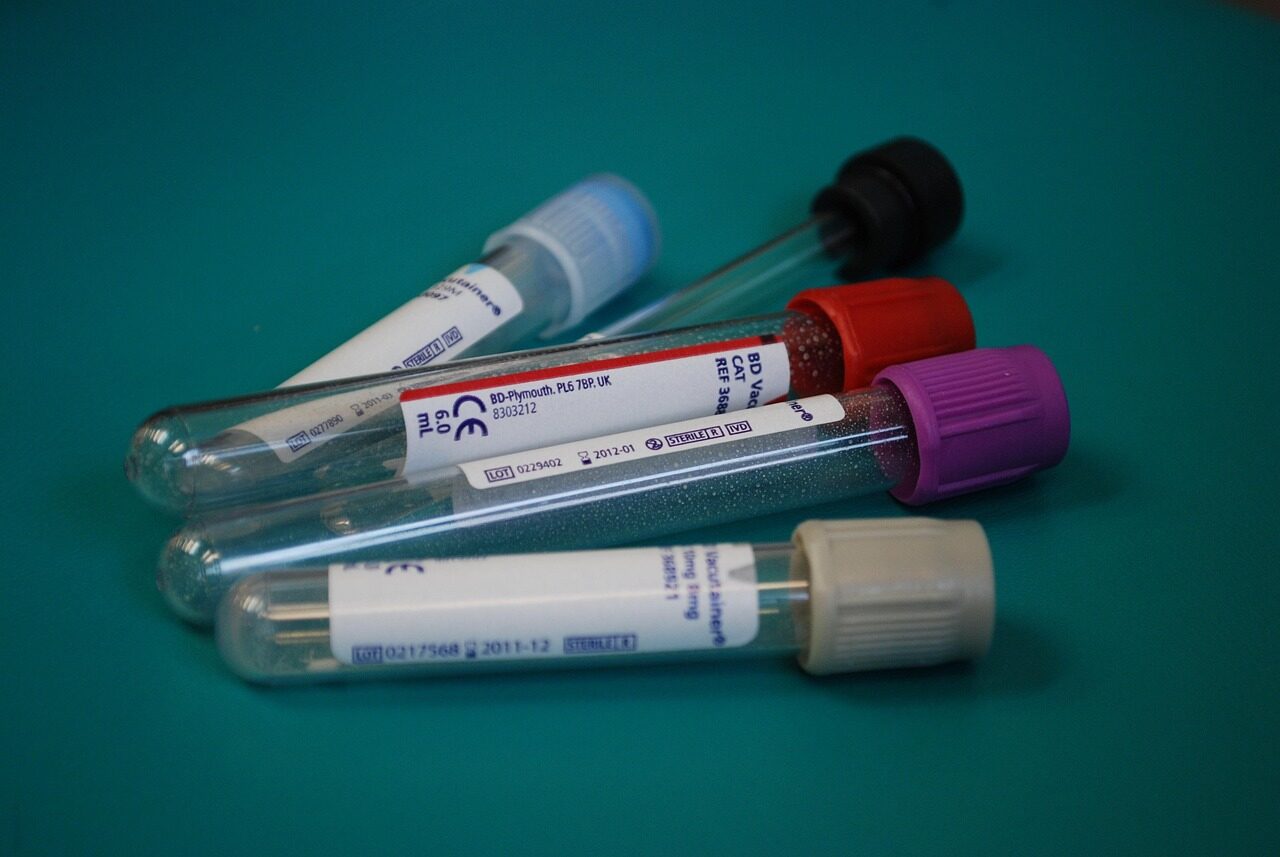
A Thyroid Profile Test is a laboratory blood test that evaluates the performance of your thyroid gland by measuring the levels of key thyroid hormones circulating in your bloodstream. The thyroid gland produces hormones that regulate metabolism, influence energy production, control body temperature, support brain development, regulate heart function, and affect the health of muscles, bones, and digestive organs. When the thyroid gland becomes overactive or underactive, hormone production becomes unbalanced, leading to conditions known as hyperthyroidism and hypothyroidism. A Thyroid Function Test, commonly referred to as a Thyroid Profile Test, helps doctors determine whether the thyroid gland is functioning normally or if further medical evaluation and treatment are required.
Healthcare providers frequently recommend a Thyroid Blood Test for patients experiencing symptoms such as persistent fatigue, unexplained weight gain or weight loss, depression, anxiety, excessive sweating, constipation, irregular menstrual cycles, infertility, hair thinning, dry skin, muscle weakness, or swelling in the neck. Because thyroid disorders affect multiple body systems, their symptoms often resemble those of many other medical conditions, making laboratory testing essential for accurate diagnosis. A Thyroid Profile Test enables doctors to distinguish between different thyroid disorders and determine whether hormone levels are too high, too low, or within the normal range.
The Thyroid Profile Test is also recommended as part of routine preventive healthcare for individuals with a family history of thyroid disease, autoimmune disorders, diabetes, or previous thyroid surgery. Pregnant women may require thyroid testing because thyroid hormones play a critical role in fetal brain development and healthy pregnancy outcomes. Patients already receiving thyroid medication also undergo periodic Thyroid Profile Test screening to monitor treatment effectiveness and ensure hormone levels remain balanced. The procedure itself is simple, requiring only a small blood sample collected from a vein in your arm. Laboratory analysis is performed using advanced diagnostic equipment, and reports are generally available within the same day or within 24 hours. Early detection through a Thyroid Profile Test allows doctors to begin treatment promptly, reducing the risk of complications and helping patients maintain healthy thyroid function throughout life.
What Does a Thyroid Profile Test Measure?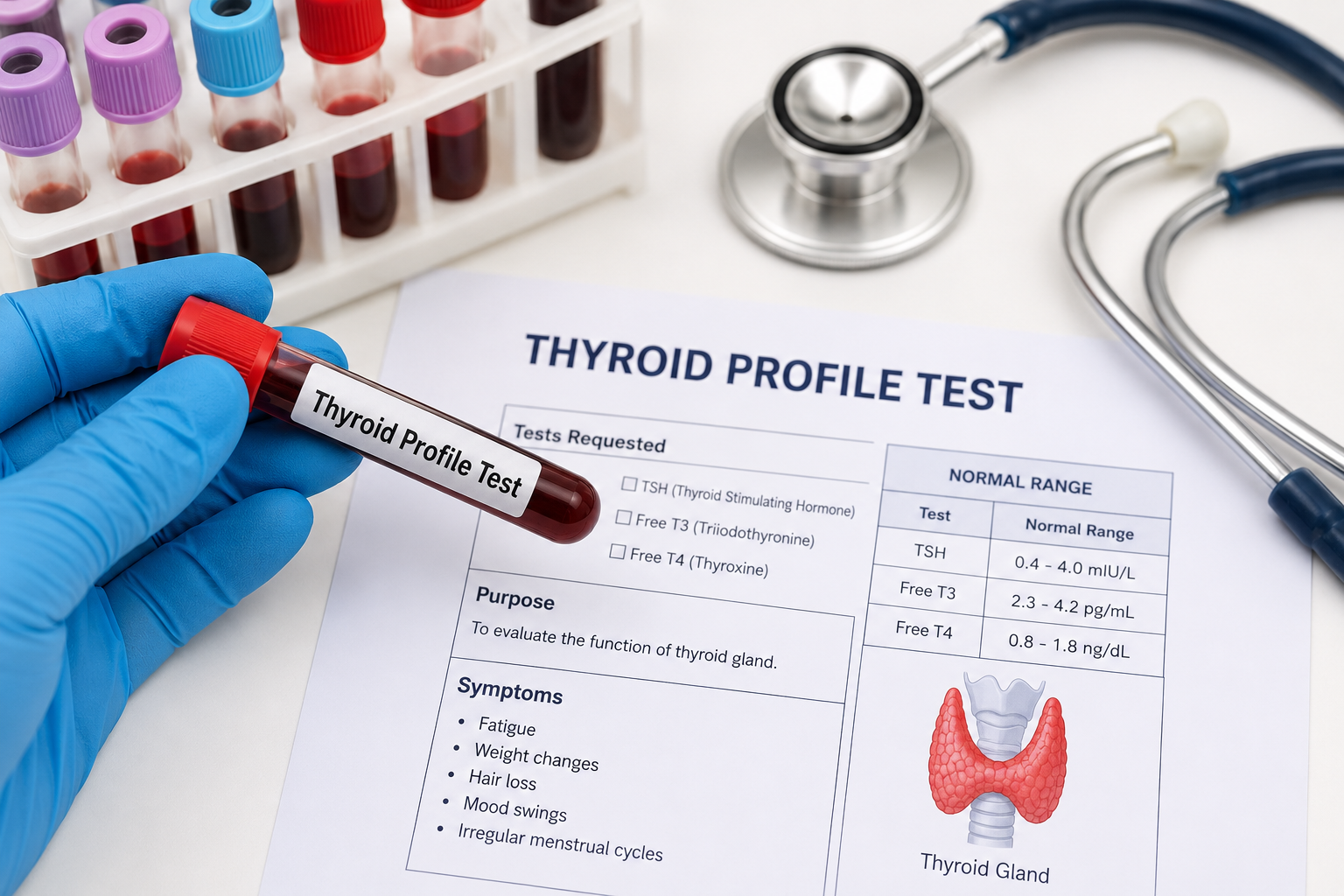
A Thyroid Profile Test measures several important hormones that work together to regulate your body’s metabolism, growth, energy production, and overall hormonal balance. Understanding each component of the test helps patients better interpret their results and appreciate the importance of maintaining healthy thyroid function. Rather than relying on a single hormone measurement, the Thyroid Profile Test evaluates multiple parameters to provide a complete picture of thyroid gland activity.
The most important measurement in the Thyroid Profile Test is the TSH Test, or Thyroid Stimulating Hormone test. TSH is produced by the pituitary gland in the brain and acts as the primary regulator of thyroid hormone production. When thyroid hormone levels become too low, the pituitary gland releases more TSH to stimulate the thyroid gland. Conversely, when thyroid hormone levels are too high, TSH production decreases. Because of this relationship, the TSH Test is often considered the most sensitive indicator of thyroid dysfunction and is usually the first parameter doctors evaluate when reviewing a Thyroid Profile Test.
The test also measures T3 (Triiodothyronine), the active thyroid hormone responsible for regulating metabolism and energy consumption throughout the body. T3 influences heart rate, digestion, muscle function, brain development, and body temperature. Although the thyroid gland produces some T3 directly, much of it is converted from T4 within body tissues. Abnormal T3 levels may indicate hyperthyroidism or other thyroid-related disorders. Measuring T3 provides additional information that helps doctors accurately diagnose specific thyroid conditions.
Another essential component measured during the Thyroid Profile Test is T4 (Thyroxine), the primary hormone produced by the thyroid gland. T4 serves as a storage hormone that is converted into the more active T3 as needed by different tissues. It plays a critical role in regulating metabolism, supporting normal growth, maintaining body temperature, and ensuring proper organ function. Low T4 levels commonly occur in hypothyroidism, while elevated T4 levels are frequently associated with hyperthyroidism.
Some laboratories may also include Free T3 and Free T4 measurements, which represent the biologically active portions of these hormones that are immediately available for use by body tissues. These values often provide more accurate information about thyroid function than total hormone levels, particularly in patients with certain medical conditions or those taking medications that influence protein binding.
Together, the TSH Test, T3 Test, and T4 Test provide healthcare providers with a comprehensive assessment of thyroid gland function. By evaluating these hormones collectively rather than individually, doctors can accurately diagnose thyroid disorders, monitor treatment progress, and recommend personalized management plans that restore normal hormonal balance and improve overall health.
Thyroid Profile Test Normal Range
Understanding the Thyroid Profile Test Normal Range is essential because it helps determine whether your thyroid gland is functioning properly or requires further medical evaluation. While normal reference values may vary slightly between laboratories depending on the testing method and equipment used, most diagnostic centres follow internationally accepted guidelines. In general, TSH (Thyroid Stimulating Hormone) levels are considered normal when they fall approximately between 0.4 and 4.0 mIU/L, although the exact reference range may differ slightly among laboratories. Elevated TSH levels often indicate hypothyroidism, meaning the thyroid gland is underactive and not producing enough hormones. Conversely, low TSH levels may suggest hyperthyroidism, where the thyroid gland is producing excessive hormones. The Free T4 level generally falls between 0.8 and 1.8 ng/dL, while Free T3 usually ranges from 2.3 to 4.2 pg/mL. These hormones work together to regulate metabolism, body temperature, heart rate, digestion, muscle strength, and energy production. It is important to understand that a single abnormal result does not always confirm thyroid disease. Doctors interpret your Thyroid Profile Test by considering your symptoms, age, pregnancy status, family history, current medications, and overall medical condition alongside laboratory values. Some individuals with mild abnormalities may require repeat testing after several weeks, while others may benefit from additional investigations such as thyroid antibody testing or ultrasound examination. Patients already receiving treatment for thyroid disorders undergo periodic Thyroid Profile Test monitoring to ensure hormone levels remain within the desired therapeutic range and to determine whether medication adjustments are necessary. Understanding the Thyroid Profile Test Normal Range helps patients appreciate the importance of regular monitoring and encourages timely consultation whenever abnormal values are detected. Early identification and appropriate management of thyroid hormone imbalances contribute significantly to better long-term health, improved energy levels, and enhanced quality of life.
Why is a Thyroid Profile Test Important?
A Thyroid Profile Test is one of the most valuable diagnostic tools for identifying thyroid disorders at an early stage, allowing healthcare providers to begin treatment before serious complications develop. The thyroid gland influences nearly every organ in the body by producing hormones that regulate metabolism, energy production, body temperature, heart function, digestion, brain activity, muscle strength, and reproductive health. Even a slight imbalance in thyroid hormone levels can significantly affect physical and mental well-being. Unfortunately, thyroid disorders often progress slowly, and their symptoms—such as fatigue, weight changes, mood swings, or hair loss—are commonly mistaken for stress, aging, or nutritional deficiencies. This is why a Thyroid Profile Test plays a critical role in preventive healthcare. The test helps detect conditions such as hypothyroidism, where the thyroid gland produces too little hormone, and hyperthyroidism, where it produces excessive hormones. Early diagnosis enables doctors to recommend appropriate medication, lifestyle changes, or further investigations before permanent damage occurs. A Thyroid Function Test is also essential for monitoring patients already receiving thyroid medication, ensuring hormone levels remain within the desired range and treatment continues to be effective. During pregnancy, maintaining normal thyroid function is especially important because thyroid hormones support the baby’s brain development and healthy growth. Untreated thyroid disorders during pregnancy may increase the risk of miscarriage, premature birth, and developmental problems in the baby. In addition, thyroid dysfunction has been linked to high cholesterol, cardiovascular disease, osteoporosis, infertility, menstrual irregularities, anxiety, and depression. Regular Thyroid Profile Test screening allows healthcare providers to identify these risks early and provide timely medical care. Instead of waiting until symptoms become severe, periodic thyroid testing helps individuals maintain hormonal balance, improve their quality of life, and reduce the risk of long-term health complications.
Who Should Get a Thyroid Profile Test?
Although anyone can develop thyroid disorders, certain individuals have a significantly higher risk and should consider regular Thyroid Profile Test screening. Adults who experience persistent fatigue, unexplained weight gain or weight loss, frequent mood changes, depression, anxiety, or difficulty concentrating should consult their healthcare provider regarding thyroid testing. Women are particularly more likely to develop thyroid disorders than men, especially after the age of 30, during pregnancy, or after menopause due to hormonal changes that affect thyroid function. Pregnant women often undergo a Thyroid Profile Test because healthy thyroid hormone levels are essential for fetal growth and brain development throughout pregnancy. Women planning pregnancy may also benefit from thyroid screening to reduce the risk of fertility problems and pregnancy-related complications. Individuals with a family history of thyroid disease should undergo periodic Thyroid Blood Test screening because genetic factors significantly increase the likelihood of developing thyroid disorders. Patients diagnosed with autoimmune diseases such as type 1 diabetes, rheumatoid arthritis, celiac disease, or lupus are also at greater risk because autoimmune conditions frequently affect the thyroid gland. People living with obesity, high cholesterol, hypertension, or cardiovascular disease may require thyroid evaluation because thyroid hormone imbalance can worsen these conditions. Elderly individuals often develop thyroid disorders gradually, with symptoms sometimes mistaken for normal aging, making routine screening particularly beneficial. Individuals experiencing hair thinning, dry skin, constipation, menstrual irregularities, infertility, or swelling in the neck should also consider a Thyroid Profile Test. Patients already receiving thyroid medication require regular monitoring to ensure their treatment remains effective and hormone levels stay within the recommended range. Even people without obvious symptoms may benefit from periodic thyroid screening during routine preventive health checkups, especially if they possess multiple risk factors. Early diagnosis through a Thyroid Profile Test enables timely treatment and significantly improves long-term health outcomes.
Symptoms of Thyroid Disorders
One of the reasons thyroid disorders are frequently overlooked is that their symptoms develop gradually and often resemble those of many other medical conditions. A Thyroid Profile Test is therefore essential whenever persistent symptoms suggest hormonal imbalance. The symptoms vary depending on whether the thyroid gland is underactive (hypothyroidism) or overactive (hyperthyroidism), and understanding these differences helps patients seek medical evaluation promptly.
Individuals with hypothyroidism, where the thyroid gland produces insufficient hormones, commonly experience persistent tiredness, lack of energy, unexplained weight gain despite normal eating habits, increased sensitivity to cold temperatures, dry skin, brittle nails, hair thinning, constipation, depression, memory problems, slow heart rate, muscle weakness, joint pain, and swelling of the face. Women may develop irregular menstrual cycles, heavy menstrual bleeding, reduced fertility, or complications during pregnancy. As hypothyroidism progresses without treatment, symptoms may become increasingly severe, affecting daily activities and overall quality of life. A Thyroid Profile Test accurately detects these hormonal deficiencies before serious complications develop.
In contrast, hyperthyroidism occurs when the thyroid gland produces excessive hormones, accelerating the body’s metabolism. Common symptoms include unexplained weight loss despite normal or increased appetite, rapid heartbeat, palpitations, excessive sweating, nervousness, anxiety, irritability, tremors in the hands, heat intolerance, frequent bowel movements, muscle weakness, difficulty sleeping, and increased fatigue despite feeling restless. Some patients may notice enlargement of the thyroid gland, known as goiter, or develop eye-related symptoms such as irritation or bulging eyes in autoimmune thyroid disorders like Graves’ disease. Because many of these symptoms overlap with stress, anxiety disorders, and other medical conditions, laboratory confirmation through a Thyroid Profile Test is essential for an accurate diagnosis. It is important to remember that some individuals, particularly older adults, may experience only mild or atypical symptoms despite significant thyroid dysfunction. Therefore, healthcare professionals recommend considering a Thyroid Function Test whenever persistent symptoms remain unexplained or multiple risk factors are present. Early identification of thyroid disorders allows appropriate treatment, prevents complications, and helps patients regain normal hormonal balance.
Thyroid Test Preparation
Proper Thyroid Test Preparation helps ensure accurate laboratory results and allows healthcare providers to assess thyroid function correctly. Unlike many blood investigations, fasting is generally not required before a Thyroid Profile Test, and patients can usually eat and drink normally unless additional fasting blood tests are scheduled at the same time. However, following your doctor’s instructions is always recommended because preparation may vary depending on your medical condition and the investigations being performed. Patients should inform their healthcare provider about all prescription medications, over-the-counter drugs, vitamins, herbal supplements, and nutritional products they are taking, as some medicines may influence thyroid hormone levels or interfere with laboratory analysis. Individuals taking thyroid hormone replacement medication are often advised to have their blood sample collected before taking their daily dose unless instructed otherwise by their physician. Biotin supplements, commonly found in hair, skin, and nail products, may interfere with certain laboratory assays and should usually be discontinued for at least 24 to 48 hours before the Thyroid Profile Test, following medical advice. Excessive physical exercise immediately before testing should also be avoided because it may temporarily influence certain hormone levels. Staying well hydrated before blood collection makes vein access easier and improves patient comfort during sample collection. Wearing loose-fitting clothing with sleeves that can be rolled up comfortably also facilitates the procedure. If you have recently undergone radioactive iodine treatment, thyroid surgery, or imaging studies involving contrast dye, inform your healthcare provider because these factors may influence the interpretation of your Thyroid Blood Test results. Following proper Thyroid Test Preparation helps ensure reliable results, enabling doctors to diagnose thyroid disorders accurately and recommend the most appropriate treatment plan.
How is a Thyroid Profile Test Performed?
A Thyroid Profile Test is a simple, safe, and minimally invasive blood test that usually takes only a few minutes to complete. The process begins with patient registration, during which laboratory staff verify your identity, medical details, and physician’s prescription if applicable. A trained phlebotomist then asks you to sit comfortably while selecting a suitable vein, usually on the inside of your elbow. The skin is thoroughly cleaned with an antiseptic solution to minimize the risk of infection before a sterile disposable needle is gently inserted into the vein. A small quantity of blood is collected into specialized laboratory tubes designed for hormone analysis. Most individuals experience only mild discomfort similar to a quick pinprick, and the entire blood collection process generally takes less than five minutes. After the sample has been collected, the needle is removed, gentle pressure is applied using sterile gauze to prevent bleeding, and a small adhesive bandage is placed over the puncture site. The blood sample is then carefully labeled and transported to the laboratory, where advanced diagnostic analyzers measure TSH, T3, T4, and other thyroid hormones with high precision. Laboratory specialists review the results using standardized quality control procedures before generating the Thyroid Profile Report. In many diagnostic centres, reports are available on the same day or within 24 hours, allowing patients to consult their doctor promptly. For additional convenience, many healthcare providers, including BN Diagnostic Centre, offer home sample collection services, enabling patients to undergo a Thyroid Profile Test without visiting the laboratory. A trained phlebotomist collects the blood sample safely at the patient’s home while maintaining the same standards of hygiene, safety, and quality followed within the diagnostic centre. Once the report is ready, the doctor interprets the findings alongside the patient’s symptoms, medical history, medications, pregnancy status, and overall health before recommending treatment or additional investigations if necessary. The simplicity, safety, and accuracy of a Thyroid Profile Test make it one of the most reliable methods for diagnosing and monitoring thyroid disorders, ensuring patients receive timely care and maintain optimal hormonal balance.