A Diabetes Blood Test is one of the most important diagnostic tools for detecting diabetes, monitoring blood sugar levels, and preventing serious health complications. Diabetes has become one of the fastest-growing chronic diseases worldwide, affecting millions of people of all ages. According to health experts, many individuals live with diabetes or prediabetes without realizing it because the condition often develops gradually and may not produce noticeable symptoms during its early stages. If left undiagnosed or untreated, diabetes can damage vital organs such as the heart, kidneys, eyes, nerves, and blood vessels, increasing the risk of life-threatening complications. This is why regular Diabetes Blood Test screening is essential, particularly for individuals with risk factors such as obesity, a family history of diabetes, high blood pressure, or a sedentary lifestyle. A Diabetes Blood Test measures the level of glucose (sugar) in your blood and helps doctors determine how effectively your body processes and regulates glucose. Different tests are available depending on the purpose of the evaluation, including the Fasting Blood Sugar Test, Postprandial (PP) Blood Sugar Test, Random Blood Sugar Test, and HbA1c Test. Each test provides unique information about your blood sugar levels over different periods, enabling healthcare professionals to diagnose diabetes accurately, monitor treatment effectiveness, and assess long-term glucose control. Whether you are experiencing symptoms such as excessive thirst, frequent urination, unexplained weight loss, fatigue, or blurred vision, or simply undergoing a routine health checkup, a Diabetes Blood Test plays a crucial role in protecting your overall health. In this comprehensive guide, you will learn about the different types of diabetes blood tests, their purpose, normal ranges, preparation, report interpretation, and the importance of regular diabetes screening for preventing complications and maintaining long-term well-being.
What is a Diabetes Blood Test?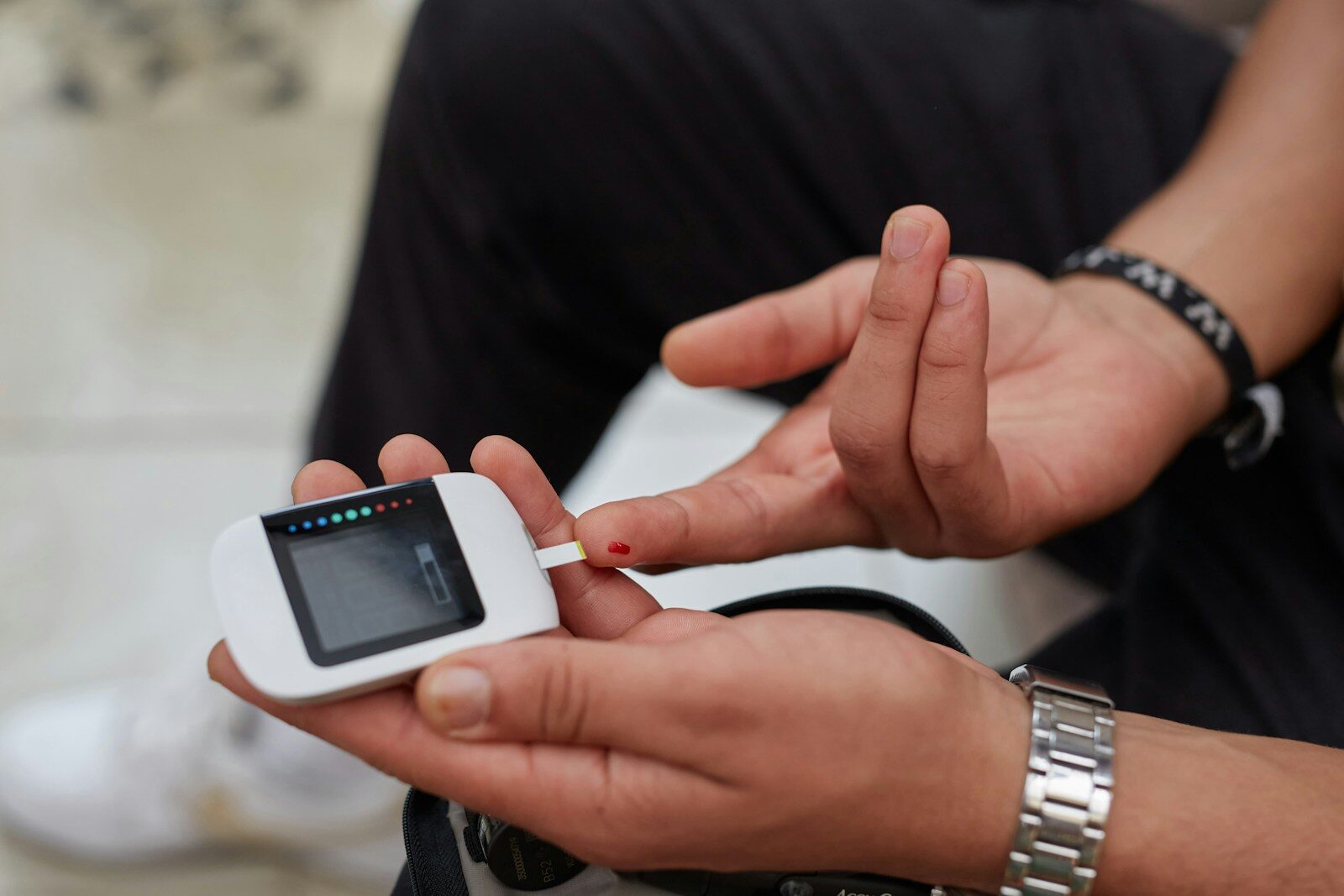
A Diabetes Blood Test is a laboratory investigation that measures the amount of glucose present in your bloodstream to determine whether your blood sugar levels are within the normal range. Glucose is the body’s primary source of energy and is obtained from the food we eat. After digestion, glucose enters the bloodstream and is transported into body cells with the help of insulin, a hormone produced by the pancreas. When the body fails to produce enough insulin or cannot use insulin effectively, glucose begins to accumulate in the blood, leading to diabetes. A Blood Glucose Test helps healthcare providers evaluate how efficiently your body regulates blood sugar and whether additional medical evaluation or treatment is required. Since diabetes often develops gradually and may remain unnoticed for years, a Diabetes Blood Test is one of the most reliable methods for early detection and disease prevention.
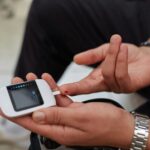
Doctors recommend a Diabetes Test for individuals who experience symptoms such as excessive thirst, frequent urination, unexplained weight loss, constant fatigue, blurred vision, slow wound healing, or recurrent infections. People with obesity, high blood pressure, high cholesterol, or a family history of diabetes are also advised to undergo regular Diabetes Blood Test screening because these factors significantly increase the risk of developing type 2 diabetes. Pregnant women may require diabetes testing to detect gestational diabetes, a temporary condition that can affect both mother and baby if left untreated. In addition to diagnosing diabetes, a Diabetes Blood Test is frequently used to monitor patients already receiving treatment, allowing doctors to evaluate whether medications, diet, exercise, and lifestyle modifications are effectively controlling blood sugar levels. The procedure itself is simple, requiring only a small blood sample collected from a vein in your arm or, in some cases, a finger-prick blood sample depending on the type of test. Results are generally available within a few hours or by the next day. Early diagnosis through a Diabetes Blood Test enables timely treatment, helping patients prevent serious complications while maintaining a healthier and more active lifestyle.
Types of Diabetes Blood Tests
A Diabetes Blood Test includes several different investigations, each designed to evaluate blood sugar levels under specific conditions. Healthcare providers select the appropriate test depending on whether they are screening for diabetes, confirming a diagnosis, or monitoring long-term glucose control. Understanding the purpose of each test helps patients appreciate why multiple blood sugar investigations may sometimes be recommended.
Fasting Blood Sugar Test
The Fasting Blood Sugar Test is one of the most commonly performed Diabetes Blood Test investigations and is often the first step in diabetes screening. This test measures your blood glucose level after fasting for approximately 8 to 12 hours, during which no food or calorie-containing beverages are consumed. Water is generally allowed and encouraged to maintain hydration. Since food intake can temporarily increase blood sugar levels, fasting provides a more accurate assessment of your body’s baseline glucose regulation. Doctors use the Fasting Blood Sugar Test to identify normal blood sugar levels, prediabetes, and diabetes. Individuals with elevated fasting glucose may require additional investigations, including an HbA1c Test or repeat fasting measurements, to confirm the diagnosis. This test is also useful for monitoring blood sugar control in patients already diagnosed with diabetes. Because of its simplicity, reliability, and clinical value, the Fasting Blood Sugar Test remains one of the most widely recommended screening tools for early diabetes detection.
Postprandial (PP) Blood Sugar Test
The Postprandial (PP) Blood Sugar Test, commonly known as the PP Blood Sugar Test, measures blood glucose approximately two hours after consuming a meal. Unlike fasting glucose, this test evaluates how efficiently the body manages blood sugar after food intake. Following a meal, glucose levels naturally rise, stimulating insulin release from the pancreas. In healthy individuals, insulin helps transport glucose into body cells, returning blood sugar to normal levels within a few hours. However, people with diabetes or impaired glucose tolerance often experience prolonged elevation of blood sugar after eating. The PP Blood Sugar Test therefore provides valuable information about insulin function and post-meal glucose control. Doctors frequently recommend this Diabetes Blood Test for individuals already diagnosed with diabetes because it helps assess whether medications, diet, and lifestyle modifications are effectively controlling blood sugar after meals. Monitoring postprandial glucose also reduces the risk of long-term diabetic complications affecting the heart, kidneys, nerves, and eyes.
Random Blood Sugar Test
The Random Blood Sugar Test is another important Diabetes Blood Test that measures blood glucose at any time of the day without requiring fasting. Since the sample can be collected regardless of recent food intake, this test is particularly useful in emergency situations or when patients present with symptoms strongly suggestive of diabetes. Healthcare providers often perform a Random Blood Sugar Test for individuals experiencing excessive thirst, frequent urination, unexplained weight loss, blurred vision, fatigue, or confusion. Extremely high random blood sugar levels, especially when accompanied by classic symptoms of diabetes, strongly indicate the need for further medical evaluation and confirmatory testing. Although the Random Blood Sugar Test is convenient and provides immediate information about current glucose levels, doctors usually combine it with additional investigations such as the Fasting Blood Sugar Test or HbA1c Test to establish a definitive diagnosis. Because it does not require fasting, this test is widely used in outpatient clinics, emergency departments, health camps, and routine health screenings.
HbA1c Test
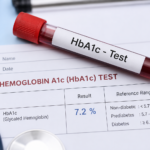
The HbA1c Test is one of the most valuable Diabetes Blood Test investigations because it measures the average blood sugar level over the previous two to three months rather than providing only a single-day reading. Unlike fasting or post-meal glucose tests, the HbA1c Test reflects long-term glucose control by measuring the percentage of glucose attached to hemoglobin, the protein found in red blood cells. Since red blood cells typically survive for about 120 days, the HbA1c value provides an excellent overview of average blood sugar management during that period. Doctors use the HbA1c Test to diagnose diabetes, monitor treatment effectiveness, and assess the risk of long-term diabetic complications. One of the major advantages of the HbA1c Test is that fasting is generally not required, making it highly convenient for patients. Individuals with diabetes often undergo this Diabetes Blood Test every three to six months to evaluate how well medications, dietary modifications, exercise, and lifestyle changes are controlling their blood sugar. Maintaining HbA1c within the target range significantly reduces the risk of complications affecting the kidneys, eyes, nerves, and cardiovascular system.
Diabetes Blood Test Normal Range
Understanding the Diabetes Blood Test Normal Range is essential because it helps determine whether your blood sugar levels are healthy or whether further evaluation is required. Although reference values may vary slightly between laboratories, internationally accepted guidelines are commonly used for diagnosis. For the Fasting Blood Sugar Test, a blood glucose level below 100 mg/dL is generally considered normal, while values between 100 and 125 mg/dL indicate prediabetes, and 126 mg/dL or higher on repeated testing usually confirms diabetes. In the PP Blood Sugar Test, blood glucose measured approximately two hours after eating should generally remain below 140 mg/dL. Levels between 140 and 199 mg/dL may indicate impaired glucose tolerance, while values of 200 mg/dL or above suggest diabetes and require medical evaluation. During a Random Blood Sugar Test, blood glucose levels below 140 mg/dL are typically considered normal for most healthy individuals, although interpretation depends on symptoms and clinical circumstances. A random blood sugar level of 200 mg/dL or higher, particularly in the presence of classic diabetes symptoms, strongly suggests diabetes. The HbA1c Test provides a long-term assessment of blood sugar control. An HbA1c level below 5.7% is considered normal, values between 5.7% and 6.4% indicate prediabetes, and an HbA1c level of 6.5% or higher generally confirms diabetes when supported by clinical evaluation. Doctors interpret every Diabetes Blood Test alongside your symptoms, medical history, age, medications, pregnancy status, and other health conditions before making a diagnosis. Understanding these normal ranges encourages regular screening, promotes early detection, and helps patients take proactive steps toward maintaining healthy blood sugar levels and preventing diabetes-related complications.
Why are Diabetes Blood Tests Important?
A Diabetes Blood Test is one of the most effective tools for identifying abnormal blood sugar levels before they develop into serious health complications. Diabetes often progresses silently, especially during its early stages, and many individuals remain unaware that their blood glucose levels are elevated until routine screening reveals the condition or complications begin to appear. Regular Diabetes Blood Test screening allows healthcare providers to detect diabetes and prediabetes early, enabling patients to begin treatment before permanent damage occurs. Early diagnosis provides an opportunity to control blood sugar through lifestyle changes, healthy eating habits, physical activity, weight management, and medications when necessary. A Diabetes Blood Test also plays a crucial role in monitoring individuals already diagnosed with diabetes by helping doctors evaluate whether current treatment plans are effectively controlling blood glucose levels. Continuous monitoring reduces the risk of complications such as heart disease, stroke, kidney failure, nerve damage, vision loss, and poor wound healing. For pregnant women, timely diabetes screening helps identify gestational diabetes, reducing the risk of complications for both mother and baby. Healthcare providers also recommend regular Diabetes Blood Test evaluations for individuals with obesity, hypertension, high cholesterol, polycystic ovary syndrome (PCOS), or a family history of diabetes because these conditions significantly increase the likelihood of developing type 2 diabetes. By identifying blood sugar abnormalities before symptoms become severe, routine diabetes screening supports preventive healthcare, improves treatment outcomes, and enhances overall quality of life. Rather than waiting for noticeable symptoms to appear, periodic Diabetes Blood Test screening empowers individuals to take proactive control of their health and reduce the long-term impact of diabetes.
Who Should Get a Diabetes Blood Test?
Although diabetes can affect people of any age, certain individuals have a much higher risk of developing the disease and should undergo regular Diabetes Blood Test screening. Adults aged 35 years and older are generally encouraged to have periodic blood sugar evaluations as part of routine preventive healthcare, even if they feel healthy. Individuals who are overweight or obese should be especially vigilant because excess body weight reduces the body’s ability to use insulin effectively, increasing the risk of type 2 diabetes. People with a family history of diabetes are also more likely to develop the condition due to genetic factors and should consider regular Diabetes Screening Test evaluations. Patients diagnosed with high blood pressure, high cholesterol, cardiovascular disease, or metabolic syndrome often benefit from periodic Diabetes Blood Test monitoring because these conditions frequently occur together. Women who have experienced gestational diabetes during pregnancy or have delivered a baby weighing more than four kilograms should continue diabetes screening after pregnancy because they remain at increased risk of developing type 2 diabetes later in life. Individuals with PCOS may also require routine blood sugar monitoring because insulin resistance commonly accompanies this condition. People who lead sedentary lifestyles, consume unhealthy diets, smoke, or experience chronic stress are additional candidates for regular Blood Glucose Test screening. Patients experiencing symptoms such as excessive thirst, frequent urination, unexplained weight loss, blurred vision, fatigue, or slow wound healing should seek medical attention promptly and undergo a Diabetes Blood Test without delay. Even individuals without obvious symptoms may benefit from routine screening because diabetes often develops silently for several years. Early detection through a Diabetes Blood Test allows healthcare providers to recommend timely lifestyle modifications and medical treatment, preventing disease progression and reducing the risk of serious complications.
Symptoms That Indicate You Need a Diabetes Blood Test
Recognizing the warning signs of diabetes is essential because early diagnosis significantly improves treatment outcomes. A Diabetes Blood Test should be considered whenever persistent symptoms suggest abnormal blood sugar levels. One of the earliest and most common symptoms is frequent urination, particularly during the night. Elevated blood glucose causes the kidneys to remove excess sugar through urine, leading to increased urination and fluid loss. As a result, many individuals experience excessive thirst, constantly feeling the need to drink water even after adequate hydration. Another classic symptom is increased hunger, as body cells fail to utilize glucose efficiently despite high blood sugar levels. Unexplained weight loss may occur because the body begins breaking down fat and muscle tissue for energy when glucose cannot enter cells effectively. Persistent fatigue and weakness are also common because cells receive insufficient energy despite adequate food intake. Many individuals notice blurred vision, which occurs when high blood sugar temporarily alters the shape of the eye’s lens or damages tiny blood vessels supplying the retina. Slow wound healing and frequent skin infections are additional warning signs because elevated glucose levels impair circulation and reduce the body’s ability to fight infection. Recurrent urinary tract infections, fungal infections, itching, numbness or tingling in the hands and feet, and dark patches of skin around the neck or underarms may also indicate insulin resistance or diabetes. It is important to remember that some individuals, particularly those with prediabetes or early-stage type 2 diabetes, may experience few or no symptoms at all. Therefore, healthcare professionals recommend routine Diabetes Blood Test screening for high-risk individuals regardless of whether symptoms are present. Timely testing allows early diagnosis, helping prevent irreversible damage to the heart, kidneys, eyes, nerves, and blood vessels.
Blood Sugar Test Preparation
Proper Blood Sugar Test Preparation is essential for obtaining accurate results and ensuring healthcare providers can correctly evaluate your blood glucose levels. Preparation requirements vary depending on the specific type of Diabetes Blood Test being performed. For a Fasting Blood Sugar Test, patients are generally instructed to fast for 8 to 12 hours before blood sample collection. During the fasting period, no food, tea, coffee, fruit juice, soft drinks, or other calorie-containing beverages should be consumed. However, drinking plain water is encouraged because it helps maintain hydration and makes blood collection easier. In contrast, fasting is not required for a Random Blood Sugar Test or the HbA1c Test, allowing patients to undergo these investigations at any convenient time during the day. Individuals scheduled for a PP Blood Sugar Test should follow their doctor’s instructions carefully, as this test is usually performed exactly two hours after starting a meal to accurately assess post-meal glucose control. Patients should inform their healthcare provider about all medications, vitamins, and supplements they are taking because certain medicines, including steroids and some hormonal treatments, may influence blood sugar levels. Unless specifically instructed by a physician, medications should never be stopped before a Diabetes Blood Test. Alcohol consumption should be avoided before testing because it may alter glucose metabolism and affect laboratory results. Patients should also avoid strenuous physical activity immediately before blood sample collection since intense exercise may temporarily influence blood sugar measurements. Wearing comfortable clothing with sleeves that can be rolled up easily helps facilitate blood collection. Following proper Blood Sugar Test Preparation ensures accurate laboratory results, allowing doctors to diagnose diabetes correctly, evaluate treatment effectiveness, and recommend the most appropriate management plan.
How is a Diabetes Blood Test Performed?
A Diabetes Blood Test is a simple, safe, and minimally invasive procedure that usually takes only a few minutes to complete. The process begins with patient registration, during which laboratory staff verify personal information and review the physician’s prescription if required. If the patient is undergoing a Fasting Blood Sugar Test, the laboratory technician may confirm that the required fasting period has been completed before collecting the sample. The patient is then comfortably seated while a trained phlebotomist selects a suitable vein, usually inside the elbow. After cleaning the skin thoroughly with an antiseptic solution, a sterile disposable needle is gently inserted into the vein, and a small amount of blood is collected into specialized laboratory tubes. Most individuals experience only minor discomfort similar to a brief pinprick, and the entire collection procedure typically takes less than five minutes. Once the sample has been obtained, the needle is removed, gentle pressure is applied using sterile cotton or gauze, and a small adhesive bandage is placed over the puncture site. The blood sample is carefully labeled and transported to the laboratory, where advanced diagnostic analyzers measure blood glucose or HbA1c levels with high accuracy. Depending on the specific Diabetes Blood Test, laboratory specialists follow standardized quality control procedures to ensure reliable results before generating the final report. In many diagnostic centres, reports are available on the same day or within 24 hours, allowing patients to consult their doctor promptly. Many healthcare providers, including BN Diagnostic Centre, also offer convenient home sample collection services for individuals who prefer testing at home. A trained phlebotomist visits the patient’s residence, safely collects the blood sample, and transports it under controlled conditions to the laboratory while maintaining strict hygiene and quality standards. Once the Blood Sugar Report is ready, the doctor reviews the results together with the patient’s symptoms, medical history, medications, lifestyle, and risk factors before making a diagnosis or recommending further treatment. The simplicity, safety, and accuracy of a Diabetes Blood Test make it one of the most valuable tools for diagnosing, monitoring, and preventing diabetes, supporting better long-term health through early detection and timely medical care.