HbA1c Test: Normal Range, Purpose & Diabetes Monitoring

  • Home
  • /
  • Blood Test
  • /
  • HbA1c Test: Normal Range, Purpose & Diabetes Monitoring

The HbA1c Test is one of the most important blood tests for diagnosing diabetes, monitoring long-term blood sugar control, and preventing serious health complications associated with uncontrolled glucose levels. Diabetes is a growing global health concern, affecting millions of people and increasing the risk of heart disease, kidney failure, vision loss, nerve damage, and stroke if left unmanaged. While routine blood sugar tests such as fasting or post-meal glucose provide information about blood sugar at a specific moment, the HbA1c Test offers a much broader picture by measuring the average blood glucose level over the previous two to three months. This makes it one of the most reliable tools for evaluating how well diabetes is being managed over time. Doctors frequently recommend the HbA1c Test for individuals with diabetes, people at risk of developing diabetes, and those undergoing routine preventive health checkups. Unlike some other blood sugar investigations, this test generally does not require fasting, making it convenient and easy for patients. It helps healthcare providers assess treatment effectiveness, identify individuals with prediabetes, and make timely adjustments to medications, diet, and lifestyle habits. Whether you have recently been diagnosed with diabetes, have a family history of the condition, or simply wish to monitor your overall health, understanding the importance of the HbA1c Test can help you make informed decisions about your well-being. In this comprehensive guide, you will learn what an HbA1c Test is, how it works, the normal HbA1c range, why it is important, how to prepare for the test, how to interpret your report, and practical ways to maintain healthy blood sugar levels for long-term health.


What is an HbA1c Test?HbA1c Test
An HbA1c Test, also known as the Glycated Hemoglobin Test, is a laboratory blood test that measures the percentage of hemoglobin in your red blood cells that has glucose attached to it. Hemoglobin is the protein responsible for carrying oxygen throughout the body, and because red blood cells remain in circulation for approximately 120 days, the amount of glucose attached to hemoglobin reflects your average blood sugar level over the previous two to three months. Unlike a routine Blood Sugar Test, which measures glucose at a single point in time, the HbA1c Test provides a long-term overview of blood glucose control. This makes it one of the most valuable tools for diagnosing diabetes, identifying prediabetes, and monitoring patients who are already receiving treatment for diabetes.

Doctors recommend an HbA1c Test because blood sugar levels naturally fluctuate throughout the day depending on meals, exercise, stress, illness, and medications. A single fasting or random blood glucose reading may not accurately represent overall glucose control, whereas the HbA1c Blood Test reflects average blood sugar exposure over several weeks. This long-term perspective allows healthcare providers to determine whether diabetes treatment plans are working effectively or whether adjustments are necessary. Individuals with diabetes often undergo an HbA1c Test every three to six months to monitor disease control and reduce the risk of long-term complications. Healthcare professionals also use the test to diagnose diabetes in individuals with symptoms such as excessive thirst, frequent urination, unexplained weight loss, fatigue, blurred vision, and slow wound healing.

The HbA1c Test is suitable for adults with type 1 diabetes, type 2 diabetes, prediabetes, and people at high risk of developing diabetes due to obesity, family history, hypertension, high cholesterol, or a sedentary lifestyle. Pregnant women may occasionally require this investigation when recommended by their healthcare provider, although other specialized tests are commonly preferred for diagnosing gestational diabetes. Since fasting is generally not required, the HbA1c Test is convenient for both patients and healthcare providers, making it one of the most widely used investigations in modern diabetes management. Early diagnosis through an HbA1c Test allows timely treatment, better blood sugar control, and a significant reduction in the risk of diabetes-related complications.


How Does the HbA1c Test Work?

To understand the importance of an HbA1c Test, it is helpful to know how glucose interacts with red blood cells inside the body. After consuming carbohydrates, food is broken down into glucose, which enters the bloodstream and serves as the body’s primary source of energy. Some of this circulating glucose naturally attaches to hemoglobin, the oxygen-carrying protein found inside red blood cells. This process is called glycation and occurs continuously throughout the lifespan of each red blood cell. Since red blood cells typically survive for about three months, the amount of glycated hemoglobin reflects the average blood glucose concentration during that period. The Glycated Hemoglobin Test measures this percentage, allowing doctors to estimate long-term blood sugar control rather than relying on a single glucose reading.

For example, an individual whose blood sugar remains consistently within the normal range will have a lower percentage of glycated hemoglobin than someone with persistently elevated blood glucose levels. Because the HbA1c Test measures long-term glucose exposure, temporary factors such as a single high-sugar meal, short-term stress, or brief illness generally have little effect on the final result. This makes the Long-Term Blood Sugar Test more reliable than isolated fasting or random blood glucose measurements for evaluating overall diabetes management.

The HbA1c Test has become an essential component of diabetes care because it helps healthcare providers assess whether current medications, dietary modifications, physical activity, and lifestyle changes are effectively controlling blood sugar over time. Patients with diabetes who maintain lower HbA1c levels generally have a reduced risk of developing serious complications affecting the heart, kidneys, eyes, nerves, and blood vessels. Conversely, persistently elevated HbA1c values indicate poor glucose control and signal the need for treatment adjustments or additional medical evaluation.

One of the major advantages of the HbA1c Blood Test is that fasting is usually unnecessary. Patients can undergo testing at almost any time of the day, making it significantly more convenient than certain other diabetes investigations. Laboratory specialists analyze the blood sample using advanced automated analyzers that provide accurate and standardized results. Doctors then compare the HbA1c value with internationally accepted guidelines while considering the patient’s age, medical history, symptoms, medications, and overall health status. Understanding how the HbA1c Test works helps patients appreciate why regular monitoring is essential for achieving good diabetes control and preventing long-term complications.


HbA1c Test Normal Range

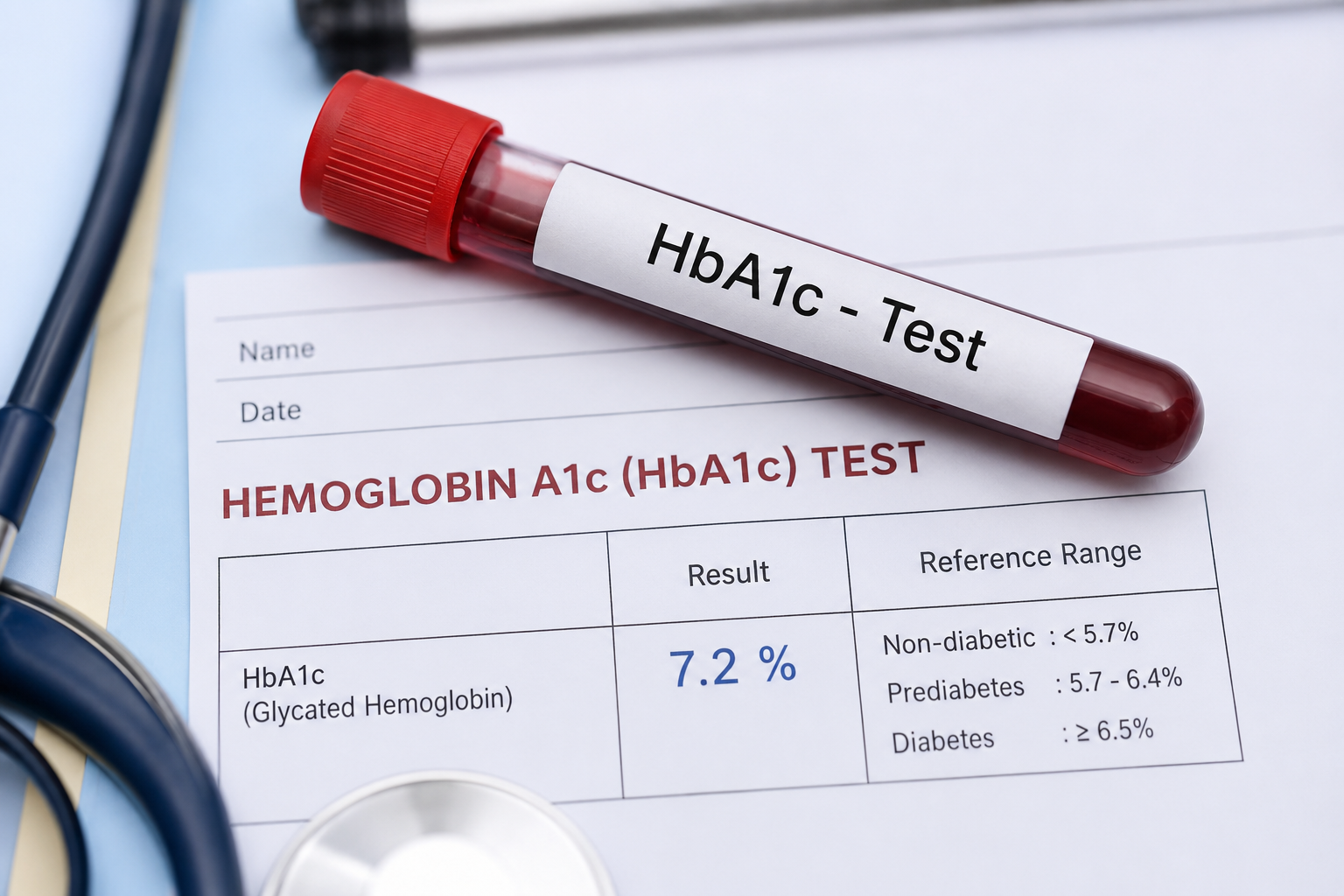
Understanding the HbA1c Test Normal Range is essential because it helps determine whether your average blood sugar levels are healthy or whether additional medical evaluation is required. The results of an HbA1c Test are reported as a percentage, representing the amount of glucose attached to hemoglobin in your red blood cells. According to internationally accepted diabetes guidelines, an HbA1c level below 5.7% is generally considered normal, indicating healthy long-term blood sugar control. Individuals with values between 5.7% and 6.4% are classified as having prediabetes, meaning their blood sugar levels are higher than normal but not yet high enough for a diagnosis of diabetes. Prediabetes serves as an important warning sign because early lifestyle modifications, including healthy eating, regular exercise, and weight management, can often prevent or delay the development of type 2 diabetes. An HbA1c level of 6.5% or higher, confirmed by repeat testing or supported by additional clinical findings, is generally considered diagnostic of diabetes. For individuals already diagnosed with diabetes, healthcare providers usually establish personalized HbA1c targets based on age, overall health, duration of diabetes, pregnancy status, and the presence of other medical conditions. Many adults with diabetes are encouraged to maintain an HbA1c level below 7%, although treatment goals may vary depending on individual circumstances. It is important to remember that the HbA1c Test Normal Range should always be interpreted by a qualified healthcare professional because certain medical conditions, including anemia, chronic kidney disease, recent blood transfusions, or disorders affecting red blood cells, may influence test accuracy. Doctors evaluate the HbA1c Test alongside fasting blood glucose, symptoms, medications, and overall health before making treatment recommendations. Regular monitoring allows healthcare providers to detect changes in blood sugar control early, adjust treatment plans when necessary, and reduce the risk of serious diabetes-related complications. Understanding your HbA1c Test Normal Range empowers you to take an active role in managing your health and maintaining long-term blood sugar control.


Understanding Your HbA1c Report

Receiving your HbA1c Test report is an important step in understanding your long-term blood sugar control, but interpreting the results correctly requires considering your overall health rather than focusing only on a single number. The HbA1c Report shows the percentage of glycated hemoglobin in your blood, reflecting your average blood glucose level over the previous two to three months. Unlike a routine blood sugar reading that changes throughout the day depending on meals, exercise, stress, or medication, the HbA1c Test provides a more stable picture of how well your diabetes has been managed over time. In general, an HbA1c value below 5.7% is considered normal, while values between 5.7% and 6.4% indicate prediabetes. An HbA1c level of 6.5% or above usually confirms diabetes when interpreted together with your symptoms and other laboratory investigations. For individuals already diagnosed with diabetes, healthcare providers often recommend maintaining an HbA1c target below 7%, although this goal may vary depending on age, pregnancy, duration of diabetes, and the presence of other medical conditions. A high HbA1c Report suggests that blood sugar has remained elevated for an extended period, increasing the risk of complications affecting the heart, kidneys, eyes, nerves, and blood vessels. On the other hand, a significant improvement in HbA1c over time indicates that your treatment plan, healthy eating habits, exercise routine, and medications are working effectively. Doctors always interpret the HbA1c Test together with fasting blood sugar, symptoms, medical history, medications, and lifestyle before recommending treatment changes. Understanding your HbA1c Report allows you to actively participate in diabetes management, monitor your progress, and make informed lifestyle choices that support long-term health.


HbA1c Test Price

The HbA1c Test Price depends on several factors, including the diagnostic laboratory, the technology used for analysis, your location, and whether the test is performed individually or as part of a comprehensive health checkup package. Some patients undergo only an HbA1c Test, while others combine it with fasting blood sugar, postprandial blood sugar, lipid profile, kidney function tests, or thyroid profile investigations for a more complete health assessment. Although cost is an important consideration, choosing a diagnostic centre based solely on price is not always advisable. The accuracy of an HbA1c Test depends on advanced laboratory equipment, standardized testing procedures, experienced technicians, and strict quality control measures. Reliable results help doctors make accurate diagnoses, monitor treatment effectiveness, and avoid unnecessary repeat investigations. Many diagnostic centres also offer additional conveniences such as online appointment booking, digital report delivery, and home sample collection services, improving accessibility for busy professionals, senior citizens, and patients with limited mobility. Patients should confirm whether home collection charges or consultation fees are included before scheduling the investigation. Investing in a reliable HbA1c Blood Test provides significant long-term value because early detection of poor blood sugar control helps prevent costly complications such as kidney disease, heart disease, vision loss, and nerve damage. Choosing a trusted diagnostic centre ensures accurate reports that support timely medical decisions and better long-term diabetes management.


Risks of Ignoring High HbA1c Levels

Ignoring a high HbA1c Test result can have serious consequences because persistently elevated blood sugar gradually damages blood vessels, nerves, and major organs throughout the body. One of the earliest effects of uncontrolled diabetes is injury to the small blood vessels supplying the eyes, increasing the risk of diabetic retinopathy, blurred vision, cataracts, glaucoma, and even permanent blindness if left untreated. The kidneys are also highly vulnerable, and prolonged exposure to high glucose levels may eventually lead to chronic kidney disease or kidney failure requiring dialysis. Elevated HbA1c values significantly increase the likelihood of heart attacks, strokes, hypertension, and peripheral artery disease because high blood sugar accelerates damage to blood vessels and promotes plaque formation. Nerve damage, known as diabetic neuropathy, commonly develops in the hands and feet, causing numbness, tingling, burning sensations, reduced sensation, and an increased risk of foot ulcers and infections. Slow wound healing, frequent bacterial or fungal infections, and poor immune function are additional complications associated with uncontrolled diabetes. Men may experience erectile dysfunction due to nerve and blood vessel damage, while women may face menstrual irregularities and pregnancy-related complications if blood sugar remains poorly controlled. High HbA1c levels can also affect mental well-being, contributing to stress, anxiety, and depression. Fortunately, most of these complications can be prevented or significantly delayed through regular HbA1c Test monitoring, medication adherence, healthy eating, physical activity, weight management, and routine medical follow-up. Identifying rising HbA1c levels early allows healthcare providers to adjust treatment before irreversible damage occurs, making the HbA1c Test an essential part of long-term diabetes care.


Tips to Maintain Healthy HbA1c Levels

Maintaining a healthy HbA1c Test result requires consistent lifestyle habits, regular medical care, and ongoing blood sugar monitoring. A balanced diet rich in vegetables, whole grains, legumes, lean proteins, healthy fats, and high-fiber foods helps stabilize blood sugar while reducing dependence on refined carbohydrates and sugary foods. Portion control and eating meals at regular intervals further improve glucose regulation throughout the day. Regular physical activity is equally important because exercise improves insulin sensitivity, lowers blood glucose, supports weight management, and reduces cardiovascular risk. Healthcare professionals generally recommend at least 150 minutes of moderate exercise each week, including activities such as brisk walking, cycling, swimming, or yoga. Maintaining a healthy body weight significantly improves long-term blood sugar control and reduces insulin resistance. Patients with diabetes should take medications exactly as prescribed and never stop treatment without consulting their healthcare provider. Monitoring blood sugar regularly at home, along with periodic HbA1c Test evaluations, helps identify changes early and allows treatment plans to be adjusted when necessary. Managing stress through meditation, deep breathing exercises, yoga, and adequate sleep is equally important because chronic stress hormones can increase blood glucose levels. Drinking sufficient water, avoiding smoking, limiting alcohol consumption, and attending routine medical checkups further contribute to better diabetes management. Individuals with prediabetes should adopt these healthy habits as early as possible because lifestyle modifications can often prevent progression to type 2 diabetes. By combining healthy nutrition, regular exercise, medication adherence, and routine HbA1c Test monitoring, patients can significantly reduce the risk of diabetes-related complications and maintain a healthier, more active life.


Why Choose BN Diagnostic Centre for an HbA1c Test?

Selecting a trusted diagnostic laboratory is essential for obtaining accurate HbA1c Test results, and BN Diagnostic Centre is committed to delivering high-quality diagnostic services with precision, reliability, and patient-focused care. Every HbA1c Test is performed using advanced laboratory technology and standardized testing methods to ensure accurate and consistent results. Experienced laboratory professionals and trained phlebotomists follow strict quality control protocols throughout the testing process, providing dependable reports that healthcare providers can confidently use for diagnosis and treatment planning. Patient safety, hygiene, and comfort remain top priorities whether samples are collected at the laboratory or through convenient home sample collection services. BN Diagnostic Centre offers fast report delivery, transparent services, and responsive customer support, allowing patients to receive timely medical guidance. In addition to the HbA1c Test, the centre provides a complete range of pathology investigations, including CBC, Lipid Profile, Thyroid Profile, Liver Function Tests, Kidney Function Tests, Vitamin D, Vitamin B12, urine analysis, and preventive health checkup packages. Modern diagnostic equipment, experienced staff, affordable pricing, and a commitment to quality make BN Diagnostic Centre a trusted choice for diabetes screening and long-term health monitoring. Whether you require routine diabetes screening or regular monitoring of an existing condition, the centre is dedicated to supporting better healthcare outcomes through accurate diagnostic services.


Conclusion

The HbA1c Test is one of the most reliable investigations for evaluating long-term blood sugar control and plays a vital role in diagnosing diabetes, identifying prediabetes, and monitoring ongoing treatment. Unlike routine blood glucose tests that reflect only a single moment in time, the HbA1c Test provides a comprehensive overview of average blood sugar levels over the previous two to three months, helping healthcare providers make informed treatment decisions. Regular testing, combined with a healthy diet, consistent exercise, stress management, medication adherence, and routine medical follow-up, significantly reduces the risk of complications affecting the heart, kidneys, eyes, nerves, and blood vessels. If you have risk factors such as obesity, a family history of diabetes, high blood pressure, high cholesterol, or symptoms including excessive thirst, frequent urination, unexplained fatigue, or blurred vision, do not delay scheduling an HbA1c Test. Early diagnosis and timely intervention can make a significant difference in protecting your long-term health. At BN Diagnostic Centre, we are committed to providing accurate laboratory testing, advanced diagnostic technology, prompt report delivery, and compassionate patient care. Our experienced team is dedicated to helping you monitor your blood sugar effectively, detect diabetes early, and maintain lifelong health through reliable, high-quality diagnostic services.

Leave a Reply

Your email address will not be published. Required fields are marked *

Trending Products

  • All Posts
  • Blood Test
  • Health And Wellness
    •   Back
    • Diseases

Blog Categories

How to Boost Your Immunity

Common Signs of Issues

Blog Tags

    Edit Template

    About Company

    BN Diagnostic Centre is a trusted healthcare and diagnostic facility dedicated to providing accurate, reliable, and timely diagnostic services. Equipped with advanced medical technology and supported by experienced healthcare professionals, we offer a wide range of pathology tests, health checkups, and diagnostic solutions. Our commitment is to deliver quality healthcare services with precision, affordability, and patient satisfaction, ensuring better health outcomes for our community.

    Quick Links

    Appointment Booking

    Insurance & Billing

    Patient Portal

    FAQs

    Health Tips

    Our Services

    Primary Care

    Specialty Care

    Telemedicine

    Emergency Services

    Preventive Health

    Contact

    095715 79913

    bndiagnosticjpr@gmail.com

    100, Milap Nagar near by Jaipuria hospital & Rajasthan hospital Bn diagnostic Jaipuria hospital Milap nagar, Tonk Rd, Durgapura, Jaipur, Rajasthan 302018