The HbA1c Test is one of the most important blood tests for diagnosing diabetes, monitoring long-term blood sugar control, and preventing serious health complications associated with uncontrolled glucose levels. Diabetes is a growing global health concern, affecting millions of people and increasing the risk of heart disease, kidney failure, vision loss, nerve damage, and stroke if left unmanaged. While routine blood sugar tests such as fasting or post-meal glucose provide information about blood sugar at a specific moment, the HbA1c Test offers a much broader picture by measuring the average blood glucose level over the previous two to three months. This makes it one of the most reliable tools for evaluating how well diabetes is being managed over time. Doctors frequently recommend the HbA1c Test for individuals with diabetes, people at risk of developing diabetes, and those undergoing routine preventive health checkups. Unlike some other blood sugar investigations, this test generally does not require fasting, making it convenient and easy for patients. It helps healthcare providers assess treatment effectiveness, identify individuals with prediabetes, and make timely adjustments to medications, diet, and lifestyle habits. Whether you have recently been diagnosed with diabetes, have a family history of the condition, or simply wish to monitor your overall health, understanding the importance of the HbA1c Test can help you make informed decisions about your well-being. In this comprehensive guide, you will learn what an HbA1c Test is, how it works, the normal HbA1c range, why it is important, how to prepare for the test, how to interpret your report, and practical ways to maintain healthy blood sugar levels for long-term health.
What is an HbA1c Test?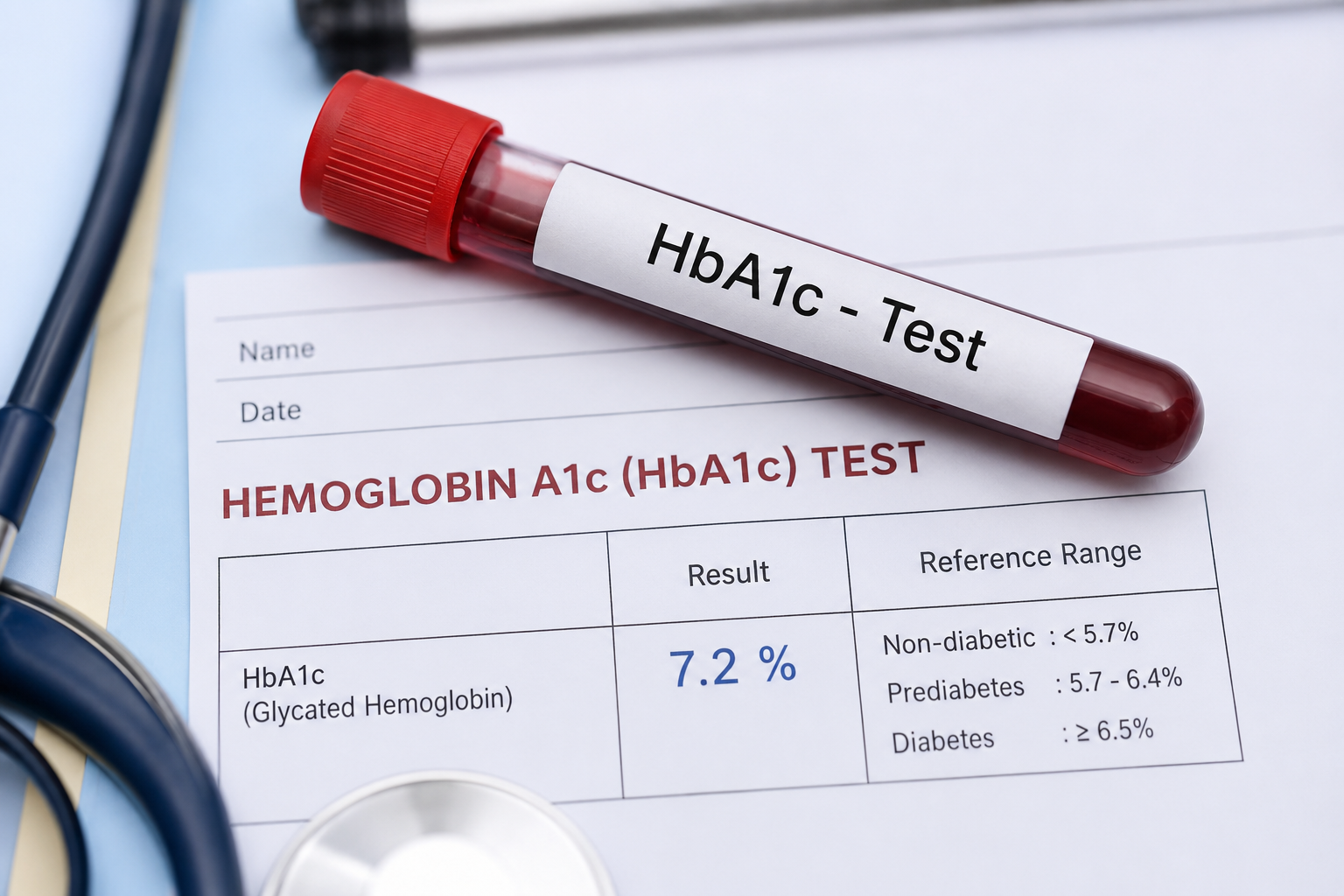
An HbA1c Test, also known as the Glycated Hemoglobin Test, is a laboratory blood test that measures the percentage of hemoglobin in your red blood cells that has glucose attached to it. Hemoglobin is the protein responsible for carrying oxygen throughout the body, and because red blood cells remain in circulation for approximately 120 days, the amount of glucose attached to hemoglobin reflects your average blood sugar level over the previous two to three months. Unlike a routine Blood Sugar Test, which measures glucose at a single point in time, the HbA1c Test provides a long-term overview of blood glucose control. This makes it one of the most valuable tools for diagnosing diabetes, identifying prediabetes, and monitoring patients who are already receiving treatment for diabetes.
Doctors recommend an HbA1c Test because blood sugar levels naturally fluctuate throughout the day depending on meals, exercise, stress, illness, and medications. A single fasting or random blood glucose reading may not accurately represent overall glucose control, whereas the HbA1c Blood Test reflects average blood sugar exposure over several weeks. This long-term perspective allows healthcare providers to determine whether diabetes treatment plans are working effectively or whether adjustments are necessary. Individuals with diabetes often undergo an HbA1c Test every three to six months to monitor disease control and reduce the risk of long-term complications. Healthcare professionals also use the test to diagnose diabetes in individuals with symptoms such as excessive thirst, frequent urination, unexplained weight loss, fatigue, blurred vision, and slow wound healing.
The HbA1c Test is suitable for adults with type 1 diabetes, type 2 diabetes, prediabetes, and people at high risk of developing diabetes due to obesity, family history, hypertension, high cholesterol, or a sedentary lifestyle. Pregnant women may occasionally require this investigation when recommended by their healthcare provider, although other specialized tests are commonly preferred for diagnosing gestational diabetes. Since fasting is generally not required, the HbA1c Test is convenient for both patients and healthcare providers, making it one of the most widely used investigations in modern diabetes management. Early diagnosis through an HbA1c Test allows timely treatment, better blood sugar control, and a significant reduction in the risk of diabetes-related complications.
How Does the HbA1c Test Work?
To understand the importance of an HbA1c Test, it is helpful to know how glucose interacts with red blood cells inside the body. After consuming carbohydrates, food is broken down into glucose, which enters the bloodstream and serves as the body’s primary source of energy. Some of this circulating glucose naturally attaches to hemoglobin, the oxygen-carrying protein found inside red blood cells. This process is called glycation and occurs continuously throughout the lifespan of each red blood cell. Since red blood cells typically survive for about three months, the amount of glycated hemoglobin reflects the average blood glucose concentration during that period. The Glycated Hemoglobin Test measures this percentage, allowing doctors to estimate long-term blood sugar control rather than relying on a single glucose reading.
For example, an individual whose blood sugar remains consistently within the normal range will have a lower percentage of glycated hemoglobin than someone with persistently elevated blood glucose levels. Because the HbA1c Test measures long-term glucose exposure, temporary factors such as a single high-sugar meal, short-term stress, or brief illness generally have little effect on the final result. This makes the Long-Term Blood Sugar Test more reliable than isolated fasting or random blood glucose measurements for evaluating overall diabetes management.
The HbA1c Test has become an essential component of diabetes care because it helps healthcare providers assess whether current medications, dietary modifications, physical activity, and lifestyle changes are effectively controlling blood sugar over time. Patients with diabetes who maintain lower HbA1c levels generally have a reduced risk of developing serious complications affecting the heart, kidneys, eyes, nerves, and blood vessels. Conversely, persistently elevated HbA1c values indicate poor glucose control and signal the need for treatment adjustments or additional medical evaluation.
One of the major advantages of the HbA1c Blood Test is that fasting is usually unnecessary. Patients can undergo testing at almost any time of the day, making it significantly more convenient than certain other diabetes investigations. Laboratory specialists analyze the blood sample using advanced automated analyzers that provide accurate and standardized results. Doctors then compare the HbA1c value with internationally accepted guidelines while considering the patient’s age, medical history, symptoms, medications, and overall health status. Understanding how the HbA1c Test works helps patients appreciate why regular monitoring is essential for achieving good diabetes control and preventing long-term complications.
HbA1c Test Normal Range
Understanding the HbA1c Test Normal Range is essential because it helps determine whether your average blood sugar levels are healthy or whether additional medical evaluation is required. The results of an HbA1c Test are reported as a percentage, representing the amount of glucose attached to hemoglobin in your red blood cells. According to internationally accepted diabetes guidelines, an HbA1c level below 5.7% is generally considered normal, indicating healthy long-term blood sugar control. Individuals with values between 5.7% and 6.4% are classified as having prediabetes, meaning their blood sugar levels are higher than normal but not yet high enough for a diagnosis of diabetes. Prediabetes serves as an important warning sign because early lifestyle modifications, including healthy eating, regular exercise, and weight management, can often prevent or delay the development of type 2 diabetes. An HbA1c level of 6.5% or higher, confirmed by repeat testing or supported by additional clinical findings, is generally considered diagnostic of diabetes. For individuals already diagnosed with diabetes, healthcare providers usually establish personalized HbA1c targets based on age, overall health, duration of diabetes, pregnancy status, and the presence of other medical conditions. Many adults with diabetes are encouraged to maintain an HbA1c level below 7%, although treatment goals may vary depending on individual circumstances. It is important to remember that the HbA1c Test Normal Range should always be interpreted by a qualified healthcare professional because certain medical conditions, including anemia, chronic kidney disease, recent blood transfusions, or disorders affecting red blood cells, may influence test accuracy. Doctors evaluate the HbA1c Test alongside fasting blood glucose, symptoms, medications, and overall health before making treatment recommendations. Regular monitoring allows healthcare providers to detect changes in blood sugar control early, adjust treatment plans when necessary, and reduce the risk of serious diabetes-related complications. Understanding your HbA1c Test Normal Range empowers you to take an active role in managing your health and maintaining long-term blood sugar control.