The Liver Function Test is one of the most important diagnostic blood tests used to evaluate the health and performance of the liver. The liver is the largest internal organ in the human body and performs more than 500 vital functions that are essential for maintaining overall health. It helps digest food by producing bile, removes toxins from the bloodstream, stores vitamins and minerals, regulates blood sugar, produces proteins necessary for blood clotting, and metabolizes medications and nutrients. Because the liver performs so many critical functions, even minor liver damage can affect the body’s overall well-being. Unfortunately, many liver diseases develop silently without causing noticeable symptoms during their early stages. Conditions such as fatty liver disease, hepatitis, alcohol-related liver disease, and liver cirrhosis often progress gradually, making early diagnosis extremely important. A Liver Function Test helps healthcare providers detect liver abnormalities before permanent damage occurs. The test measures several enzymes and proteins in the blood that indicate how well the liver is functioning and whether liver cells have been injured. Doctors commonly recommend a LFT Test for individuals experiencing symptoms such as jaundice, abdominal pain, persistent fatigue, loss of appetite, nausea, or unexplained weight loss. It is also routinely performed during preventive health checkups, before surgery, while monitoring certain medications, and for patients with diabetes, obesity, or excessive alcohol consumption. By identifying liver disorders early, a Liver Function Test allows timely medical intervention, lifestyle modifications, and appropriate treatment that can prevent severe complications. In this comprehensive guide, you will learn everything about the Liver Function Test, including what it measures, why it is important, the normal range of liver enzymes, preparation before testing, interpretation of results, and practical ways to maintain a healthy liver throughout your life.
What is a Liver Function Test?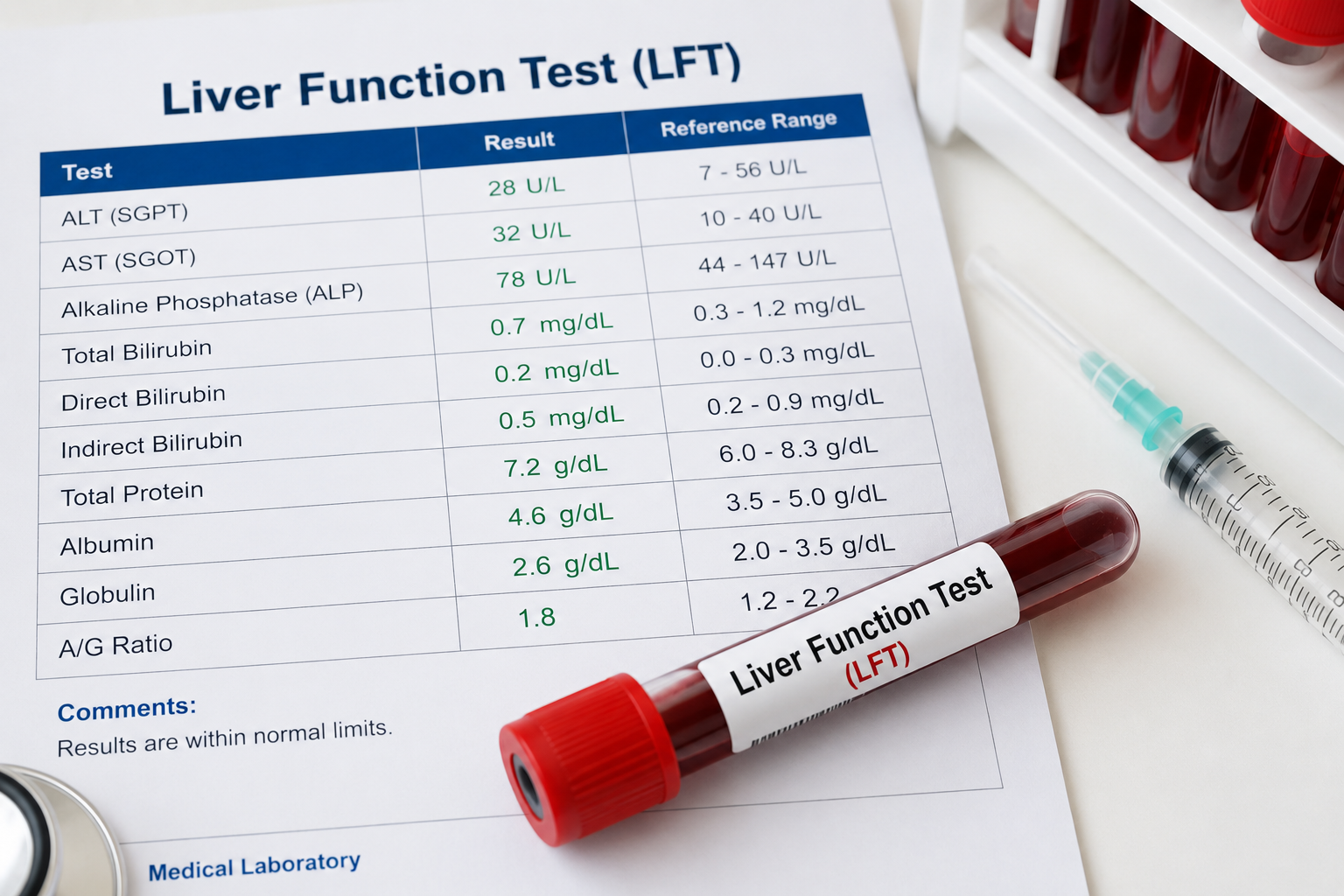
A Liver Function Test is a group of laboratory blood tests designed to evaluate the health of your liver by measuring specific enzymes, proteins, and waste products circulating in your bloodstream. Rather than being a single investigation, the LFT Test includes several individual tests that collectively provide valuable information about liver cell health, bile flow, protein production, and the liver’s ability to perform its essential functions. Since the liver is responsible for processing nutrients, filtering harmful substances, producing clotting proteins, and regulating metabolism, any damage to liver cells may alter the levels of these substances in the blood. A Liver Blood Test helps doctors identify whether liver cells are functioning normally or if additional evaluation and treatment are required.
Healthcare providers commonly recommend a Liver Function Test for individuals experiencing symptoms such as yellowing of the skin or eyes (jaundice), persistent fatigue, nausea, vomiting, abdominal discomfort, swelling, dark urine, pale stools, or unexplained weight loss. The test is also performed for people with known liver conditions such as fatty liver disease, viral hepatitis, alcoholic liver disease, autoimmune liver disorders, and liver cirrhosis. Patients taking long-term medications that may affect liver function often require periodic Liver Function Test monitoring to ensure medications are not causing liver damage. Doctors also recommend routine LFT Test screening for individuals with obesity, diabetes, high cholesterol, metabolic syndrome, or excessive alcohol consumption because these factors significantly increase the risk of liver disease.
The Liver Function Test is also valuable during routine preventive health checkups because liver disorders frequently develop without causing obvious symptoms. Detecting abnormalities early allows doctors to recommend lifestyle changes, dietary improvements, medication adjustments, or further diagnostic investigations before permanent liver damage occurs. The procedure itself is simple, requiring only a small blood sample collected from a vein in your arm. Laboratory analysis is performed using advanced automated equipment, and results are usually available on the same day or within 24 hours. Early diagnosis through a Liver Function Test helps prevent disease progression, improves treatment outcomes, and supports lifelong liver health.
What Does a Liver Function Test Measure?
A Liver Function Test measures several important enzymes, proteins, and waste products that help healthcare providers evaluate different aspects of liver health. Each component provides unique information about liver cell function, bile production, and the liver’s ability to perform essential metabolic activities. Doctors interpret all these values together because a single abnormal result may not always indicate liver disease.
ALT (SGPT)
One of the most important components measured during a Liver Function Test is Alanine Aminotransferase (ALT), commonly known as the SGPT Test. ALT is an enzyme found primarily inside liver cells, where it plays an important role in protein metabolism. Under normal conditions, only a small amount of ALT is present in the bloodstream. However, when liver cells become damaged due to conditions such as fatty liver disease, viral hepatitis, alcohol-related liver injury, or certain medications, ALT is released into the blood, causing elevated levels. High ALT values often serve as one of the earliest indicators of liver cell injury, making the SGPT Test an essential part of the Liver Function Test. Doctors evaluate ALT levels alongside other liver enzymes to determine the severity and possible cause of liver damage.
AST (SGOT)
Another key enzyme measured during the Liver Function Test is Aspartate Aminotransferase (AST), also known as the SGOT Test. AST is found not only in the liver but also in the heart, muscles, kidneys, and other tissues. Elevated AST levels may indicate liver injury, but they can also occur due to muscle disorders, heart disease, or strenuous physical activity. Because AST is present in several organs, doctors usually compare AST values with ALT results to better understand whether the abnormality originates from the liver. Together, the ALT Test and AST Test provide valuable information about liver inflammation and help diagnose conditions such as hepatitis, fatty liver disease, and cirrhosis.
Bilirubin
The Bilirubin Test is another important part of the Liver Function Test. Bilirubin is a yellow pigment produced when red blood cells naturally break down. The liver processes bilirubin and removes it from the body through bile. When liver function becomes impaired or bile flow is obstructed, bilirubin accumulates in the bloodstream, causing jaundice—a yellow discoloration of the skin and eyes. Elevated bilirubin levels may indicate hepatitis, bile duct obstruction, gallstones, liver cirrhosis, or other liver disorders. Measuring bilirubin helps doctors evaluate both liver function and the efficiency of bile drainage.
Albumin
Albumin is the most abundant protein produced by the liver and performs several important functions, including maintaining fluid balance, transporting hormones, vitamins, and medications throughout the body, and supporting tissue repair. Low albumin levels may suggest chronic liver disease because a damaged liver may not produce sufficient protein. However, reduced albumin can also occur in kidney disease, malnutrition, or certain inflammatory conditions. Measuring albumin provides valuable information about the liver’s protein-producing capacity and overall health.
Alkaline Phosphatase (ALP)
The Alkaline Phosphatase (ALP) level is another important component measured during a Liver Function Test. ALP is an enzyme found in the liver, bile ducts, bones, and intestines. Elevated ALP levels commonly occur when bile flow becomes blocked due to gallstones, bile duct disease, or certain liver disorders. Since ALP is also present in bone tissue, doctors interpret this result together with other liver enzymes before determining the cause of elevation. Combined analysis of ALP, ALT, AST, and bilirubin helps differentiate liver disease from bone-related conditions.
Total Protein
The Total Protein measurement evaluates the combined levels of albumin and globulin proteins in the blood. These proteins play essential roles in immunity, blood clotting, fluid balance, and nutrient transport. Abnormal total protein levels may indicate chronic liver disease, kidney disorders, nutritional deficiencies, or immune system abnormalities. Including total protein in the Liver Function Test provides a more complete assessment of liver function and overall health.
Together, these measurements allow healthcare providers to identify liver inflammation, infection, bile duct obstruction, chronic liver disease, medication-related liver injury, and other conditions affecting liver health. Rather than relying on a single laboratory value, doctors interpret all components of the Liver Function Test collectively to develop an accurate diagnosis and personalized treatment plan.
Liver Function Test Normal Range
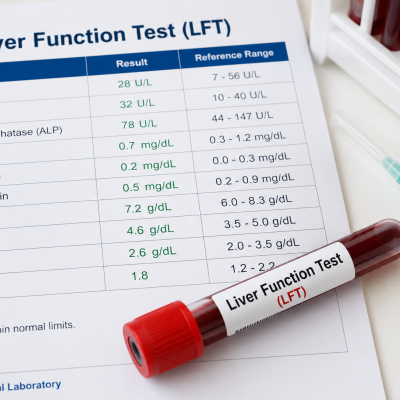
Understanding the Liver Function Test Normal Range is essential because it helps determine whether your liver is functioning properly or whether additional medical evaluation is needed. Although reference values may vary slightly between laboratories depending on equipment and testing methods, most follow internationally accepted standards. ALT (SGPT) levels are generally considered normal between 7 and 56 U/L, while AST (SGOT) levels typically range from 10 to 40 U/L. Total Bilirubin usually falls between 0.3 and 1.2 mg/dL, indicating normal processing and elimination of bilirubin by the liver. Albumin levels generally range from 3.5 to 5.0 g/dL, reflecting healthy protein production by liver cells. Alkaline Phosphatase (ALP) commonly falls between 44 and 147 U/L, although reference values may vary slightly among laboratories. Total Protein levels are typically considered normal between 6.0 and 8.3 g/dL. It is important to remember that a single abnormal value does not necessarily indicate serious liver disease. Doctors interpret every Liver Function Test alongside your symptoms, medical history, medications, alcohol intake, body weight, diabetes status, viral hepatitis history, and imaging studies if required. Mild abnormalities may occasionally occur due to temporary infections, medications, strenuous exercise, or other non-liver conditions. Patients with chronic liver disease often require regular Liver Function Test monitoring to assess disease progression and evaluate treatment effectiveness. Understanding the Liver Function Test Normal Range encourages individuals to undergo routine liver screening, seek timely medical advice, and adopt healthy lifestyle habits that support lifelong liver health.
Why is a Liver Function Test Important?
A Liver Function Test is one of the most valuable diagnostic tools for evaluating liver health because it helps detect liver problems before symptoms become severe or irreversible damage occurs. The liver performs hundreds of essential functions every day, including removing toxins from the blood, producing bile for digestion, storing vitamins and minerals, regulating blood sugar, producing proteins required for blood clotting, and metabolizing medications. Since the liver has a remarkable ability to compensate for damage, many liver diseases progress silently without causing noticeable symptoms during their early stages. As a result, conditions such as fatty liver disease, viral hepatitis, alcohol-related liver disease, and liver cirrhosis may remain undiagnosed for years. A Liver Function Test helps healthcare providers identify abnormalities at an early stage by measuring liver enzymes, proteins, and bilirubin levels before permanent liver damage develops. Early diagnosis allows patients to adopt healthier lifestyle habits, receive appropriate medical treatment, and prevent disease progression. Doctors also use a LFT Test to monitor the effectiveness of treatment for existing liver disorders and to assess whether long-term medications are affecting liver health. Certain medicines, including cholesterol-lowering drugs, antibiotics, anti-tuberculosis medications, and chemotherapy drugs, can sometimes influence liver function, making regular monitoring essential. Patients with diabetes, obesity, high cholesterol, metabolic syndrome, or excessive alcohol consumption also benefit from routine Liver Function Test screening because these conditions significantly increase the risk of liver disease. Regular testing supports preventive healthcare by identifying liver abnormalities before symptoms appear, reducing the likelihood of complications such as liver failure, cirrhosis, and liver cancer. By detecting liver problems early and guiding timely medical intervention, the Liver Function Test plays a critical role in protecting overall health and improving long-term outcomes.
Who Should Get a Liver Function Test?
Although a Liver Function Test can be beneficial for almost anyone as part of routine preventive healthcare, certain individuals have a much higher risk of liver disease and should undergo regular screening. Adults over the age of 35 are encouraged to include a Liver Function Test in their periodic health checkups because liver disorders become more common with increasing age. Individuals diagnosed with fatty liver disease require regular LFT Test monitoring to evaluate disease progression and assess the effectiveness of lifestyle modifications or medical treatment. People who consume alcohol regularly should also undergo periodic Liver Blood Test screening because excessive alcohol intake can gradually damage liver cells, leading to alcoholic hepatitis or cirrhosis. Patients with viral hepatitis, including hepatitis B or hepatitis C, require continuous monitoring through Liver Function Tests to evaluate liver inflammation and determine treatment response. Individuals with obesity, diabetes, high cholesterol, or metabolic syndrome are at increased risk of developing non-alcoholic fatty liver disease (NAFLD), making routine liver screening highly recommended. Patients taking medications known to affect liver function, such as certain antibiotics, anti-epileptic medicines, pain relievers, cholesterol medications, or chemotherapy drugs, should also undergo periodic testing to detect medication-related liver injury. People experiencing unexplained fatigue, abdominal pain, jaundice, dark urine, pale stools, or unexplained weight loss should consult a healthcare provider and undergo a Liver Function Test promptly. Individuals with a family history of liver disease or autoimmune disorders affecting the liver may also benefit from regular screening. Even healthy individuals without symptoms should consider including a Liver Function Test in routine preventive health checkups because many liver diseases remain silent until advanced stages. Early diagnosis through timely screening significantly improves treatment success and reduces the risk of permanent liver damage.
Symptoms That Indicate You Need an LFT Test
The liver has an extraordinary ability to continue functioning even when significant damage has already occurred, which is why many liver diseases produce few or no symptoms during their early stages. However, when symptoms begin to appear, they often indicate that liver function has already been affected. A Liver Function Test is essential whenever persistent symptoms suggest possible liver disease. One of the most recognizable warning signs is jaundice, a yellow discoloration of the skin and eyes caused by elevated bilirubin levels in the bloodstream. Individuals may also notice dark-colored urine and pale or clay-colored stools, which occur when bile flow becomes impaired. Persistent fatigue, weakness, and reduced energy levels are common symptoms because liver dysfunction affects metabolism and nutrient processing. Many patients experience loss of appetite, nausea, vomiting, or unexplained weight loss due to reduced digestive efficiency and impaired liver function. Pain or discomfort in the upper right side of the abdomen, where the liver is located, may also indicate inflammation or enlargement of the liver. Some individuals develop swelling in the abdomen due to fluid accumulation, a condition known as ascites, particularly in advanced liver disease. Swelling in the legs and ankles may also occur because the liver is unable to produce sufficient albumin to maintain normal fluid balance. Persistent itching of the skin, easy bruising, frequent bleeding, mental confusion, or difficulty concentrating may develop in more advanced liver disorders. People with fatty liver disease often experience few symptoms initially, making routine Liver Function Test screening especially important for high-risk individuals. Healthcare providers recommend prompt LFT Test evaluation whenever these symptoms persist or when risk factors such as obesity, diabetes, excessive alcohol consumption, or viral hepatitis are present. Early diagnosis allows timely treatment, prevents disease progression, and significantly improves long-term liver health.
Liver Function Test Preparation
Proper Liver Function Test Preparation helps ensure accurate laboratory results and allows healthcare providers to evaluate liver health correctly. In many cases, fasting is not always required before a Liver Function Test, although your doctor may recommend fasting for 8 to 12 hours if additional blood tests such as a Lipid Profile or Blood Sugar Test are scheduled at the same time. Patients should always follow the preparation instructions provided by their healthcare provider or diagnostic laboratory. It is important to inform the doctor about all prescription medications, over-the-counter drugs, herbal supplements, and vitamins currently being taken because some medications can temporarily influence liver enzyme levels. Unless specifically instructed by your physician, medications should never be discontinued before the Liver Function Test. Patients should avoid alcohol consumption for at least 24 to 48 hours before testing because alcohol can temporarily increase liver enzyme levels and affect the accuracy of the results. Heavy, fatty meals should also be avoided before blood collection if recommended by the healthcare provider. Staying well hydrated by drinking adequate water before the test helps improve patient comfort during blood collection and does not interfere with most liver function investigations. Strenuous physical exercise immediately before the Liver Function Test should be avoided because intense muscle activity may temporarily elevate certain enzymes such as AST. Wearing comfortable clothing with sleeves that can be rolled up easily also facilitates blood sample collection. Patients who have recently experienced severe illness, surgery, or hospitalization should inform their doctor because these factors may temporarily affect liver enzyme values. Proper Liver Function Test Preparation contributes to accurate laboratory analysis, allowing healthcare providers to diagnose liver disease correctly and recommend the most appropriate treatment or further investigations when necessary.
How is a Liver Function Test Performed?
A Liver Function Test is a simple, safe, and minimally invasive blood test that generally takes only a few minutes to complete. The procedure begins with patient registration, during which laboratory staff verify personal information and review the physician’s prescription if applicable. If fasting has been recommended, the healthcare professional may confirm that the required fasting period has been completed before collecting the blood sample. The patient is then comfortably seated while a trained phlebotomist selects a suitable vein, usually located on the inside of the elbow. The skin is cleaned thoroughly using an antiseptic solution to minimize the risk of infection before a sterile disposable needle is gently inserted into the vein. A small amount of blood is collected into specialized laboratory tubes used for Liver Function Test analysis. Most patients experience only mild discomfort similar to a brief pinprick, and the entire blood collection procedure typically takes less than five minutes. After the blood sample has been obtained, the needle is removed, gentle pressure is applied using sterile cotton or gauze, and a small adhesive bandage is placed over the puncture site. The blood sample is carefully labeled and transported to the laboratory, where advanced automated analyzers measure liver enzymes, proteins, bilirubin, and other important parameters with high precision. Laboratory specialists follow strict quality control procedures to ensure accurate and reliable results before generating the LFT Report. In many diagnostic centres, reports are available on the same day or within 24 hours, allowing patients to consult their healthcare provider without unnecessary delay. For added convenience, BN Diagnostic Centre also offers home sample collection services, enabling patients to undergo a Liver Function Test from the comfort of their home. A trained phlebotomist safely collects the blood sample while maintaining the same hygiene, safety, and quality standards followed within the laboratory. Once the LFT Report is available, the healthcare provider interprets the results together with the patient’s symptoms, medical history, medications, alcohol consumption, imaging studies, and other investigations before recommending treatment or additional testing. The simplicity, safety, and diagnostic value of the Liver Function Test make it one of the most important tools for detecting liver disease early, monitoring ongoing treatment, and supporting long-term liver health.